bluename
 How to Care for Jasmine - Prune to Rejuvenate for Multiple Blooms
Your jasmine plant is a cascade of green, but the fragrant, starry blooms you long for are sparse or absent. You water it, give it sunlight, yet it seems to prioritize leaves over flowers. This common frustration often stems from one overlooked, yet crucial, gardening practice: strategic pruning. Learning how to care for jasmine effectively means understanding that pruning isn't just about control—it's the secret to triggering vigorous growth and, most importantly, multiple blooms throughout the growing season. Without it, your plant can become woody, overgrown, and energy-diffused, putting its efforts into survival rather than spectacular flowering.
This guide will transform your approach, focusing on the rejuvenating power of the prune. We’ll move beyond basic care to the advanced techniques that encourage your jasmine to burst into repeated, fragrant displays.
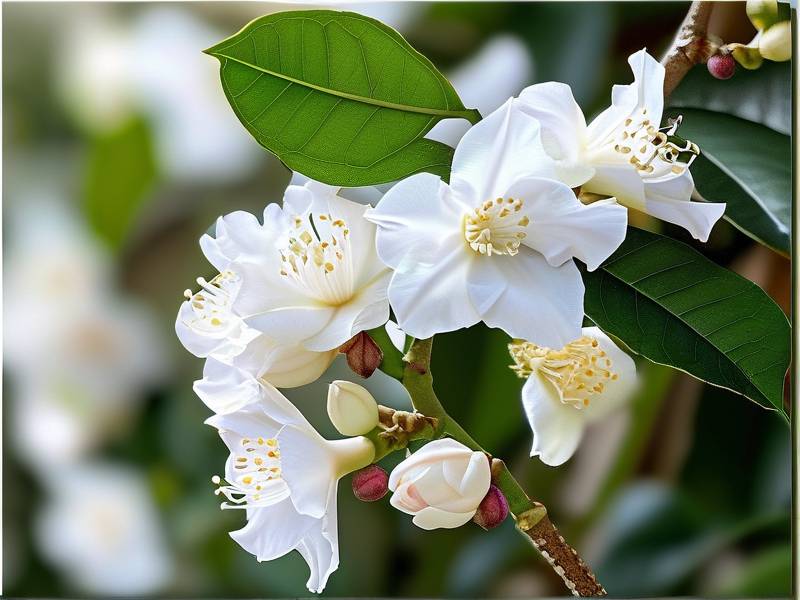
Why Pruning is Non-Negotiable for Blooming Jasmine
Pruning is often misunderstood as merely cutting back an unruly plant. For jasmine, it's a precise physiological trigger. The Royal Horticultural Society (RHS) emphasizes that pruning flowering shrubs like jasmine serves three primary purposes: to remove dead or diseased wood, to shape the plant, and to stimulate the production of new, flowering growth.
Jasmine typically blooms on new wood—the fresh, green stems that emerge in the current growing season. An unpruned plant channels energy into maintaining old, non-productive stems and excessive foliage. By strategically removing these parts, you redirect the plant's vitality. This "rejuvenation" forces the jasmine to produce new shoots, which are the very stems destined to bear your multiple blooms. It’s a direct intervention that tells your plant, "Focus your energy here, on creating flowers."
The Essential Toolkit for Pruning Jasmine
Before you make the first cut, ensure you have the right tools. Clean, sharp tools make precise cuts that heal quickly, minimizing stress and disease risk.
- Bypass Pruners (Secateurs): Essential for most cuts. They make clean, scissor-like slices on stems up to about 1/2 inch in diameter.
- Loppers: For thicker, older woody branches (up to 1-2 inches) that are beyond pruner capacity. Their long handles provide leverage.
- Sharpening Stone & Disinfectant: A sharp blade prevents crushing stems. Disinfect blades with rubbing alcohol or a bleach solution between plants, or after cutting diseased wood, to prevent spreading pathogens.
The Master Guide: When and How to Prune for Rejuvenation
Timing is everything. Pruning at the wrong time can remove the very buds set to bloom. The schedule differs slightly for summer-blooming and winter-blooming varieties, but the principles remain consistent.
Identifying Your Jasmine Type
- Summer-Blooming Jasmine (e.g., Jasminum officinale - Common Jasmine): Blooms on new growth from the current season. Prune in late winter or early spring, just before new growth begins.
- Winter-Blooming Jasmine (e.g., Jasminum nudiflorum - Winter Jasmine): Blooms on wood from the previous season. Prune immediately after its flowering finishes in late winter/early spring.
Step-by-Step Rejuvenation Pruning Process
Follow this clear sequence to prune to rejuvenate your jasmine for a spectacular floral show.
1. The Sanitary Pass: Remove the 3 D's Start by clearing clutter. Remove any Dead, Diseased, or Damaged wood entirely, cutting back to healthy tissue. This eliminates entry points for pests and disease and cleans up the plant's structure.
2. Thin for Light and Air Look for areas where stems are crossing, rubbing, or growing inward toward the center. Choose the weaker of the two and remove it at its base. This "thinning" opens up the plant's canopy, allowing sunlight to penetrate and air to circulate. The American Horticultural Society (AHA) notes that improved air circulation is a key, non-chemical defense against fungal diseases like powdery mildew.
3. The Rejuvenation Cut: Encouraging New Growth This is the core technique for multiple blooms. Identify older, woody stems that have become less productive. Follow one such stem down and make a cut just above a healthy, outward-facing bud or a vigorous side shoot. This signals the plant to send energy to that bud, spurring a new, flowering branch. For a severely overgrown plant, you can practice more drastic renewal pruning, cutting up to one-third of the oldest stems right back to the base over several seasons.
4. Shape and Size Control Finally, shape the plant to your desired form. Make heading cuts to control overall size and encourage bushiness. Always cut just above a leaf node (the point where leaves emerge), angling the cut away from the bud. Avoid leaving long stubs, as they die back and can invite rot.
Post-Pruning Care: Nurturing the New Growth
Your work isn't done when you put the pruners away. The period after pruning is critical for supporting the new growth you've just stimulated.
- Watering: Provide consistent moisture, but ensure excellent drainage. The goal is to support new root and shoot growth without waterlogging.
- Feeding: Apply a balanced, slow-release fertilizer or a bloom-booster formula (higher in phosphorus) after spring pruning. This provides the nutrients needed for robust growth and flower bud formation.
- Mulching: A 2-3 inch layer of organic mulch around the base helps retain soil moisture, regulate temperature, and suppress weeds.
Advanced Tips for Maximizing Flower Production
To truly master jasmine plant care for more flowers, consider these pro-level insights:
- Pinching for Bushiness: During the active growing season, you can "pinch" or snip off the very tips of new, soft shoots. This encourages the stem to branch out, creating even more potential flowering sites.
- Deadheading Spent Blooms: For some jasmine varieties, gently removing spent flowers can encourage the plant to produce a secondary flush of blooms, as it prevents energy from going into seed production.
- Sunlight is Non-Negotiable: Even perfect pruning won't compensate for insufficient light. Most jasmines require a minimum of 4-6 hours of direct sun daily to bloom profusely.
My jasmine has never been pruned and is a tangled mess. What should I do? Don't try to fix it all in one year. Practice gradual renewal over 2-3 seasons. Each spring, remove one-third of the oldest, thickest stems at ground level. This slowly rejuvenates the plant without causing severe shock, eventually restoring a manageable and productive form.
I pruned my winter jasmine in fall, and now it has no flowers. What happened? You likely removed the flower buds. Winter jasmine forms its buds on the previous season's growth in late summer/fall. Pruning in autumn removes these buds. Always prune winter-blooming types immediately after they flower in late winter.
How short can I safely cut back my jasmine vine? For a major reset, most vigorous jasmine vines can be cut back to within 2 feet of the ground in late winter. This is drastic but effective for an old, neglected plant. It will take a full season to regrow, but you'll be rewarded with a rejuvenated, healthy vine. For less drastic results, follow the one-third rule for older stems.
Successful jasmine cultivation hinges on embracing pruning not as a chore, but as a conversation with your plant. It’s the most direct way to guide its energy toward the lush, fragrant displays you desire. By understanding the timing, mastering the clean cut, and providing supportive aftercare, you transform a leggy vine or shrub into a repeat-blooming centerpiece. The scent of success, in this case, is literally the sweet perfume of multiple blooms gracing your garden, all season long.