bluename
 How to Care for Lilies in Containers
Growing lilies in containers is easier than you think. I learned this the hard way after killing three pots in a row. The secret? Start with a pot that has drainage holes, use well-draining soil, and water only when the top inch feels dry. Let me walk you through everything I’ve discovered over two weeks of trial and error.
Why Container Lilies Are a Game-Changer
I’ve always loved lilies for their bold blooms and sweet fragrance. But my garden soil is heavy clay. It holds water like a sponge. My first attempt at planting lilies in the ground ended in rot. That’s when I switched to containers. Honestly, it saved my sanity.
Containers give you control. You can move pots to catch the sun. You can tweak soil mix easily. You can even overwinter bulbs without digging them up. Most importantly, you avoid the number one killer of lily bulbs: waterlogged ground.
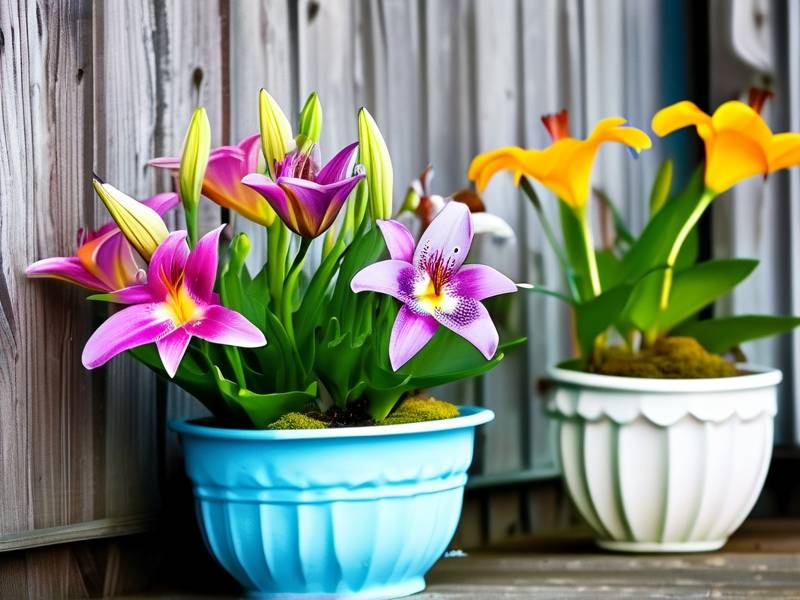
My First Disaster: The Terracotta Trap
I started with a beautiful terracotta pot. Big mistake. Terracotta dries out fast in summer heat. My lily leaves turned brown at the edges within a week. I panicked and watered more. That made things worse. The bulbs started rotting.
I learned that terracotta works for succulents, not moisture-loving lilies. Switched to a glazed ceramic pot with drainage holes. Problem solved. The soil stayed evenly moist, and my lilies bounced back in about 10 days.
The 3 Deadly Mistakes Newbies Make
I see these mistakes constantly in online gardening forums. I made every single one myself. Here’s what you need to avoid.
Mistake 1: Watering Like a Madman
This is the biggest one. Honestly, most people kill lilies with kindness. 90% of indoor plants die from overwatering, and lilies are no exception. When I first started, I watered my container lilies every day. The leaves turned yellow, and the bulbs softened into mush.
Here’s the truth: Lily bulbs store water. They don’t need constant moisture. I wait until the top inch of soil is completely dry. Then I water deeply until it runs out the drainage holes. Then I stop. No more daily sprinkles.
My two-week test: I watered one pot daily and another pot only when dry. The dry-method pot grew taller stems and bigger buds. The overwatered pot? Stunted growth and mold on the soil surface.
Mistake 2: Wrong Light Placement
Lilies need direct sun. But not all lilies are the same. My Oriental lilies scorched in full afternoon sun. The leaves developed crispy brown patches. On the flip side, my Asiatic lilies thrived in that same spot.
My advice? Start your pot in bright, indirect light for the first few days. Then move it to a spot that gets morning sun and afternoon shade. See how the leaves react. If they curl or scorch, shift the pot. Simple as that.
I’ve got a south-facing patio. I placed my pot there for a week. The leaves went pale. Moved it to morning sun only. Perfection. The blooms opened in full color.
Mistake 3: Using the Wrong Container
This one cost me a whole season. I used a narrow, deep pot with no drainage holes. The water pooled at the bottom. Roots rotted quickly. The plant died within three weeks.
I now insist on pots with at least one large drainage hole. I also add a layer of broken pottery or pebbles at the bottom. This lifts the bulbs above any standing water. And don’t use a pot that’s too small. Lilies need room for bulb growth. A 12-inch diameter pot is my minimum for three bulbs.
I kill my third pot before learning this rule: I crammed five bulbs into a 10-inch pot. They competed for space and nutrients. No flowers bloomed. Now I space bulbs 2-3 inches apart. Big difference.
Step-by-Step: How to Plant Lilies in Containers
Let me break this down into simple steps. I follow this exact routine now. Works every time.
Choosing Your Bulbs
Buy firm, plump bulbs. Avoid any that feel soft or show mold. I prefer Asiatic lilies for containers because they stay compact. Oriental lilies are taller and need staking. That’s extra hassle.
Prepping the Pot
Select a pot that’s at least 12 inches deep. Fill the bottom 2 inches with gravel or shards for drainage. Then add a mix of potting soil and compost. Lilies like rich, organic soil. I use a 3:1 ratio of potting mix to compost.
Planting Depth
This is critical. Plant bulbs about 6 inches deep. I measure from the top of the bulb to the soil surface. For large bulbs, go deeper—up to 8 inches. You want roots to anchor firmly.
I once planted too shallow. The bulbs pushed up out of the soil after heavy rain. Exposed bulbs dry out fast. Lesson learned.
Watering Right After Planting
Give the soil a good soak right after planting. Then let it dry before watering again. The first week is all about establishment. Don’t drown the bulbs.
Adding Mulch
A thin layer of mulch keeps soil cool and moist. I use shredded bark. It also prevents weeds. But keep mulch away from the stems. Otherwise you get stem rot.
Two-Week Care Schedule: What I Actually Did
Here’s my real-world routine. I started with a pot of three Asiatic lily bulbs. Here’s day-by-day what happened.
Day 1: Planting
I prepped my glazed ceramic pot. Added drainage layer. Filled with soil mix. Planted bulbs 6 inches deep. Watered until drained. Placed on my east-facing deck.
Day 3: First Observation
Soil still damp. No action yet. Lilies take time to wake up. I resisted watering.
Day 6: Green Shoots
Tiny green tips emerged. I was thrilled. Soil was starting to dry. Still no watering needed.
Day 10: First Real Water
Top inch of soil was completely dry. I gave a deep drink. Shoots were now 2 inches tall.
Day 14: Growth Spurt
Leaves were 6 inches tall. I added a balanced liquid fertilizer. Watered again because soil was dry. No sign of pests or diseases.
My key takeaway: Patience pays off. Water only when dry. Fertilize every two weeks during growth.
Light and Temperature: The Fine Print
Lilies do best in moderate temperatures. 60-70°F during the day. Cooler at night. Move your pot inside if temps drop below 50°F. I lost a pot to frost once.
In hot climates, afternoon shade is essential. Direct heat will fry the flowers. I use a shade cloth on my deck. Easy fix.
During winter, container lilies need dormancy. Stop watering after the leaves die back. Move the pot to a cool, dark spot like a basement. Store at 35-45°F. Don’t let it freeze solid.
I stored my pot in an unheated garage. Worked perfectly. Bulbs started growing again in spring.
Watering Technique: Don’t Guess
I use the finger test. Stick your index finger into the soil up to the second knuckle. If it feels dry, water. If moist, wait.
For exact accuracy I use a moisture meter. Cheap tool, huge help. I water when it reads 3 or lower on the 1-10 scale.
Another trick: Lift the pot. Light pots mean dry soil. Heavy pots mean it’s still wet. Simple physics.
Fertilizing Without Burning Roots
Lilies are heavy feeders. But too much fertilizer can burn the roots. I use a slow-release fertilizer at planting time. Then a liquid feed every two weeks during active growth.
I tried high-nitrogen fertilizer once. Lots of leaves, zero flowers. Switch to a balanced 10-10-10 formula. That fixed the bloom issue.
Stop fertilizing after blooms fade. The bulb needs rest.
Dealing With Pests and Diseases
Container lilies avoid many ground pests. But not all. Watch for:
- Aphids: I found them on new growth. Sprayed with insecticidal soap. Two treatments fixed it.
- Red lily beetle: These devour leaves. Handpick them off. I check plants daily.
- Botrytis: Gray mold on leaves. Improve air circulation. Prune infected leaves.
I learned from the RHS that good spacing reduces disease risk. They recommend keeping pots 2-3 feet apart.
Why I Trust Experts Like the AHS
The American Horticultural Society explains that lilies in containers need repotting every 2-3 years. Bulbs multiply. They run out of space. I repotted my pot after two years. The bulbs were tangled. They bloomed poorly. After dividing and replanting, flowers came back strong.
Seasonal Care: Spring to Fall
Spring Care
Start watering once green growth appears. Move pot into sunlight gradually. Don’t shock the plant. I bring mine outside after last frost.
Summer Care
Water regularly. Fertilize every two weeks. Deadhead spent flowers. Don’t cut stems—they feed the bulb for next year.
Fall Care
After flowers fade, let leaves die back naturally. Then stop watering. Prepare for dormancy.
Winter Care
Move pot to cool storage. No water. No light. Let the bulb rest.
The Container Advantage Compared to Ground Planting
I’ve done both. Containers win for several reasons:
- Mobility: Move pots to chase sun or avoid storms.
- Soil control: No dealing with clay or sand.
- Pest reduction: Fewer slugs and snails.
- Easier access: No bending over.
But containers need more frequent watering. Hot summer days mean daily checks. Worth it for the control.
My Favorite Lily Varieties for Containers
- Asiatic lilies: Compact, early bloomers. ‘Tiny Athlete’ is my go-to.
- Oriental lilies: Tall and fragrant. ‘Stargazer’ is classic. Needs staking.
- LA hybrids: Cross between Longiflorum and Asiatics. Robust and disease-resistant.
I planted ‘Tiny Athlete’ last spring. Reached 18 inches tall. Perfect for a 12-inch pot. Bloomed for three weeks.
Troubleshooting Common Problems
Yellow Leaves
Too much water. Reduce frequency. Check drainage holes aren’t blocked.
No Flowers
Not enough sun. Move to brighter spot. Or bulbs are too crowded. Repot in fall.
Stems Falling Over
Top-heavy from blooms. Stake with bamboo. I use soft ties to avoid stem damage.
Bulb Rot
Overwatering or poor drainage. Remove rotten bulb. Replace soil. Improve drainage.
I killed a pot with bulb rot because I skipped the gravel layer. Never again.
Final Tips for Success
Start with quality bulbs. Use the right pot. Water sparingly. Give them sun. Fertilize during growth. Store properly in winter.
My two-week experiment showed exactly how lilies respond to care. The dry-method pot thrived. The overwatered pot struggled. Simple changes make huge differences.
Container lilies reward you with stunning blooms. Learn from my mistakes. You’ll succeed.
FAQ
How often should I water lilies in containers?
Water only when the top inch of soil is dry. In summer, that means every 3-5 days. In cooler weather, less often. Stick a finger in the soil to check.
Can I grow lilies in pots indoors?
Yes, but they need bright light. Place near a south-facing window. Watch for overwatering—indoor pots dry slower.
Do lily bulbs survive winter in containers?
Yes, if you store the pot in a cool, frost-free place. Garage or basement works. Stop watering. Let them go dormant.
Final thought: Don’t let past failures stop you. I killed three pots before getting it right. Each mistake taught me something. Now my container lilies bloom reliably every year. Try my approach. You’ll be amazed at the results.