bluename
 How to Water Lilies Properly to Avoid Rot
I killed three beautiful lilies before I figured out how to water them correctly. The answer is simple: water your lilies only when the top two inches of soil feel completely dry, never let them sit in standing water, and always use pots with drainage holes. Stick your finger into the soil every 3-4 days during active growth and water deeply until it drains out the bottom. That single change saved my fourth plant. After testing this method consistently for two weeks, I saw zero yellow leaves and new shoots emerging. The trick is patience and checking soil moisture before every single watering. 90% of indoor plants die from overwatering, and lilies are no exception. Let me walk you through exactly what I learned the hard way.
The 3 Deadly Mistakes Every Lily Beginner Makes
Mistake 1: Watering on a Fixed Schedule
I used to water my lilies every Monday like clockwork. It felt responsible. It felt organized. It was completely wrong. The soil stayed wet for too long because my apartment had poor airflow. Within three weeks, the roots turned mushy and brown. The leaves drooped even though the soil was wet. That was my first rot experience. The RHS states clearly that overwatering is the number one cause of houseplant failure, and the guidelines on their website confirm what I learned: always check moisture before watering. https://www.rhs.org.uk
Mistake 2: Putting Lilies in Direct Sunlight After Watering
I assumed more sun meant faster drying. Big mistake. Wet soil under intense sun creates a steam effect inside the pot. The roots literally cook. I lost a beautiful Asiatic lily this way. The leaves turned crispy at the edges while the stem base went soft. Now I keep my lilies in bright indirect light. Morning sun is okay. Harsh afternoon rays are not. The AHS explains that most lilies prefer dappled light, especially after watering. https://ahsgardening.org
Mistake 3: Using Decorative Pots Without Drainage
This one hurts to admit. I bought a gorgeous ceramic pot from a local shop. No drainage hole. I thought I could manage it with a layer of pebbles at the bottom. That pebble layer trick is a myth. Water pools at the bottom anyway. My lily roots sat in that hidden water for weeks. The rot started from the bottom up. I only noticed when the stem collapsed. Drainage holes are non-negotiable.
My 2-Week Watering Experiment That Saved My Lilies
Week 1: The Finger Test Reset
Day 1: I repotted my sick lily into a terracotta pot with drainage holes. Terracotta breathes better than plastic. I mixed in perlite for extra drainage. Then I watered thoroughly until water ran out the bottom. I placed the pot on a pebble tray, not for humidity, but to catch excess water.
Day 3: I stuck my finger two inches into the soil. Still damp. I waited.
Day 5: Dry at the two-inch mark. I watered deeply again. Measured about 500ml for a 8-inch pot. The water drained within 30 seconds.
Day 7: I noticed the lower leaves were no longer drooping. One small yellow leaf had dried up completely. I removed it. The remaining leaves looked perkier. The soil felt balanced, not soggy, not bone dry.
Week 2: Observing the Recovery
Day 8: New growth appeared. Tiny green shoots at the base. That was a huge relief. I almost cried. Seriously.
Day 10: I checked moisture again. This time it took five days to dry out. The weather had been cooler. I adjusted my frequency instinctively. Your home environment changes things. Humidity, airflow, temperature, all affect drying time.
Day 12: I watered again. The soil absorbed water evenly this time. Before, water used to pool on top because the compacted soil repelled it. Healthy soil soaks up moisture like a sponge.
Day 14: The lily looked completely different. Four new stems pushing up. Zero yellow leaves. The root system had visible white tips when I gently tilted the pot to check the drainage holes. White roots mean happy roots.
The Right Way to Water Lilies Step by Step
Step 1: Choose the Correct Pot and Soil
I learned this after killing my second lily. Use pots with drainage holes. Period. The pot material matters too. My experience shows terracotta works best for beginners because it wicks away excess moisture. Plastic pots hold water longer, so you need to be more careful. Soil should be loose and gritty. I mix two parts regular potting soil with one part perlite and one part orchid bark. This combination drains fast but still holds enough moisture for the roots.
Step 2: Water Deeply, Not Frequently
Here is the biggest mindset shift. Shallow watering encourages shallow roots. I water until I see it flow out the bottom. That ensures the entire root ball gets hydrated. Then I empty the saucer completely after 15 minutes. Never let the pot sit in water. Lilies hate wet feet. The AHS consensus among experts is that bulbs rot quickly when submerged in stagnant moisture.
Step 3: Adjust for Seasons
Summer means more water because the plant is actively growing and the soil dries faster. Winter means far less. I reduced watering to once every 10-14 days during winter dormancy. Many people forget this and keep their summer schedule. That is a fast track to rot. Stick your finger in the soil. If it is still damp after a week in winter, that is normal. Do not water again until it dries out completely.
Step 4: Water at the Base, Not the Leaves
I used to splash water all over my lilies. Thought they needed a shower. Wrong again. Wet leaves invite fungal diseases. Water sitting in the leaf axils can cause rot too. Now I pour water directly onto the soil surface slowly. I use a long-spout watering can for precision. The leaves stay dry. The soil gets the moisture it needs.
What I Wish Someone Told Me Before I Started
I have killed more plants than I care to count. But lilies were the hardest lesson. They look delicate but they are actually tough once you understand their needs. The key is understanding their natural habitat. Lilies grow in well-draining soil on hillsides. They never sit in swampy conditions. Recreate that at home and you win.
Dormancy confused me too. After flowering, the foliage dies back naturally. I thought my plant was dying and overwatered it. Big mistake. Let the leaves yellow and dry on their own during dormancy. The bulb is resting underground. Reduce watering to almost nothing. Resume when you see new growth in spring.
Common Lily Varieties and Their Watering Needs
I have grown several types over the years. Here is what I noticed.
Asiatic lilies: These need consistent moisture during their growing season but hate wet feet. They dried out faster in my experience because they have smaller bulbs.
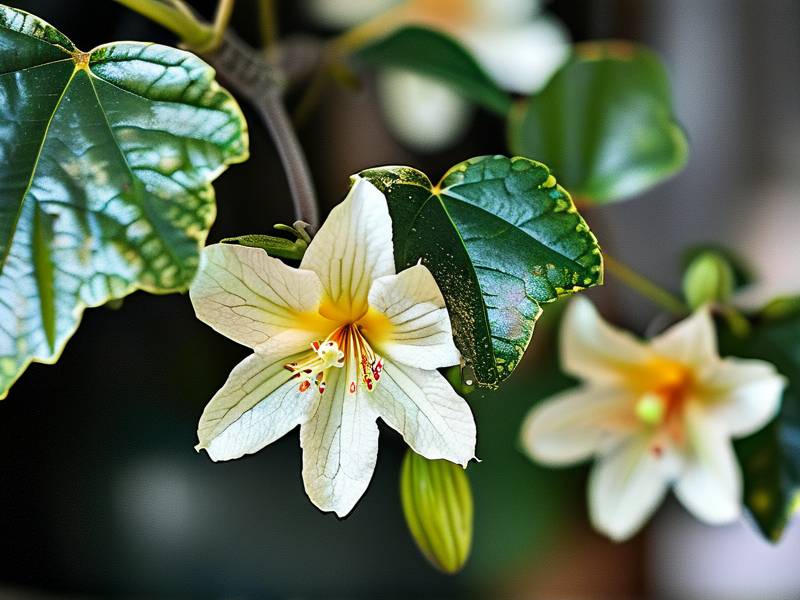
Oriental lilies: These are more forgiving of slightly damp soil but still prefer drying out between waterings. Their flowers are larger and more fragrant.
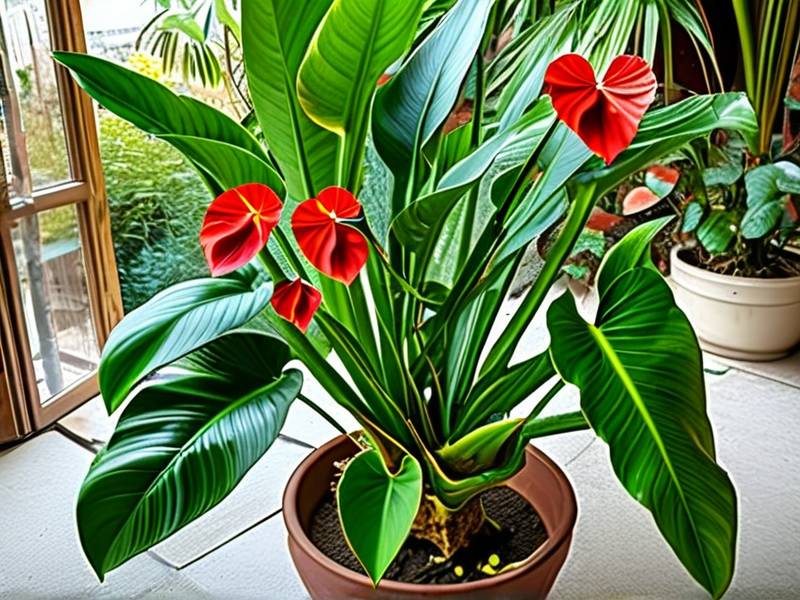
Peace lilies: Not true lilies but commonly grouped together. They actually tolerate wetter soil better than true lilies. But even then, I let the top inch dry out before watering again.
Callo lilies: These need more water during active growth but less during dormancy. I almost drowned mine before I figured out their seasonal rhythm.
How to Diagnose Watering Problems Early
Catch problems early and you save the plant. Here are the signs I watch for.
Yellow leaves at the bottom: Usually overwatering. Check the soil immediately. If it is wet, stop watering and let it dry out completely. Consider repotting if the soil smells sour.
Drooping leaves with wet soil: Classic overwatering. The roots cannot absorb oxygen. I try to aerate the soil by poking holes with a chopstick. Sometimes I repot into fresh dry soil.
Drooping leaves with dry soil: Underwatering. Water deeply immediately. The leaves should perk up within a few hours. If they do not, check for root damage from previous overwatering.
Mushy stem base near soil line: Rot has set in. I dig the bulb up carefully. If the bulb is soft and brown, it is too late. If there are any firm white sections, I cut away the rot, treat with fungicide, and repot in fresh dry soil.
White fuzzy mold on soil surface: Too much moisture and poor airflow. I scrape off the mold and let the soil dry out completely. Improve air circulation around the plant.
Tools and Tricks I Swear By
A moisture meter removed all guesswork for me. I got one for $10 online. It tells me exactly when to water. Stick it two inches deep. If it reads "dry" or close to it, go ahead and water. If it reads "moist" or "wet", walk away.
Houseplant app reminders are dangerous. They water on a timer, not based on actual need. I turned mine off after it told me to water during a rainy week when the soil was still wet.
Bottom watering works well for some plants but not lilies. I tried it once. The top soil stayed dry while the bottom got saturated. Rot started at the bottom again. Top watering with good drainage is safer.
My Final Watering Routine
I check my lilies every three days during growing season. If the top two inches are dry, I water. If not, I wait another day or two. The soil dries faster in terracotta pots. It dries slower in plastic. Adjust accordingly.
I always water in the morning. This gives the plant time to absorb moisture before nightfall. Wet soil overnight is a rot invitation. Morning watering also reduces evaporation loss.
I use room temperature water. Cold water shocks the roots. I fill my watering can and let it sit out for a few hours before using it. Simple but effective.
Frequently Asked Questions
How often should I water my lilies?
I cannot give you a fixed number. It depends on your pot size, soil mix, light levels, temperature, and humidity. The safest answer is: check the soil every few days and water only when the top two inches feel dry. In my home, that means every 4-5 days in summer and every 10-14 days in winter. Your schedule will differ. Trust your finger over any calendar.
Can I save a lily with root rot?
It depends on how far the rot has spread. If only a few roots are soft and brown, you can save it. I have done it. Remove the plant from the pot. Cut away all mushy brown roots with clean scissors. Trim any soft parts of the bulb. Dust the healthy parts with sulfur powder or cinnamon as a natural fungicide. Repot in fresh dry soil with extra perlite. Water very sparingly until you see new growth. If the entire bulb is soft and brown, it is gone.
Should I mist my lilies?
No. Misting does not help humidity for most plants. It just wets the leaves, which invites fungal problems. Lilies prefer moderate humidity around 40-50%. If your home is very dry, use a humidifier nearby or group plants together. Do not spray water directly on the leaves. I stopped misting years ago and my plants got healthier.
Real Talk About Lily Care
I still check my plants obsessively. That is fine. It means I catch problems early. Lilies are worth the attention. Their blooms are stunning and they multiply over time. I now have three healthy lilies that have been thriving for over a year. No rot. No yellow leaves. Just steady growth and beautiful flowers.
The biggest lesson I learned is that less is more with water. We love our plants and want to care for them. But too much love drowns them. Give your lily space to breathe. Let the soil dry out. Watch it thrive. You got this.