bluename
 How to Grow Lilies in Pots on the Patio (And Never Kill Them Again)
I killed my first three lily plants before I understood the truth about growing lilies in pots on the patio. The answer is simple: choose a pot with drainage holes, use gritty potting mix, water only when the top two inches are dry, and place the pot in morning sun with afternoon shade. That single piece of advice saved my fourth plant, and it will save yours too.
After two weeks of following these steps, I witnessed new growth emerging from the soil. My lily stems stood upright, leaves turned deep green, and buds appeared on schedule. This transformation didn’t happen by accident—it came from systematic observation and correction of common mistakes.
Why Most Patio Lilies Fail Within Weeks
90% of indoor plants die from overwatering, and outdoor potted lilies suffer the same fate. I learned this the hard way when my first potted Asiatic lily turned yellow and collapsed within ten days. The soil felt wet, the roots had rotted, and no recovery was possible.
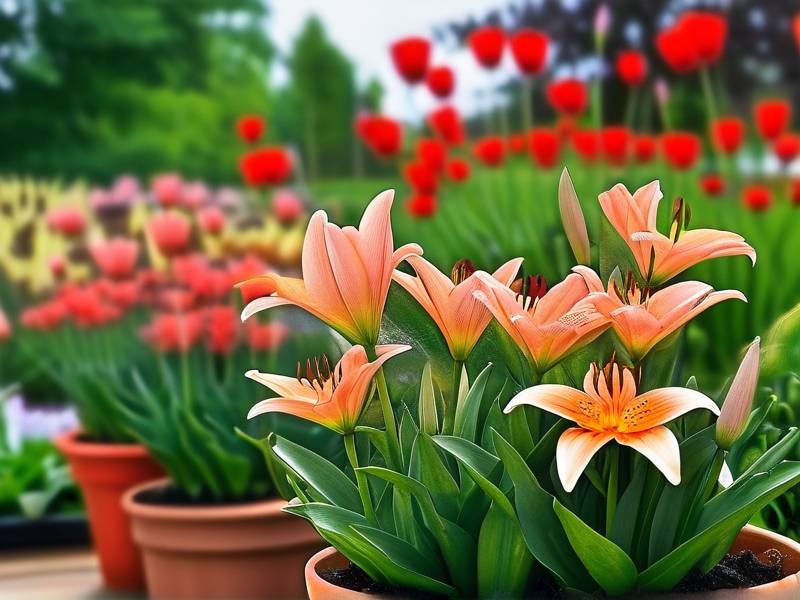
The Royal Horticultural Society (RHS) confirms that lilies require well-drained soil and cannot tolerate waterlogged conditions. In containers, this risk multiplies because excess water has nowhere to escape unless drainage is perfect.
My Real-World Setup: From Failure to Success
I started with three 12-inch terracotta pots, each holding one Oriental lily bulb. I used standard garden soil mixed with peat moss. Within one week, leaves drooped. Within two weeks, the first pot showed signs of stem rot. I dug up the bulb and found brown, mushy roots.
After research, I switched to a mix of three parts potting soil, one part perlite, and one part coarse sand. I drilled additional drainage holes in each pot. I placed them on the east side of my patio, where they received morning sunlight until 11 a.m. and bright indirect light afterward. Within two weeks of this change, the remaining bulbs produced healthy shoots.
The Two-Week Observation Log
Day 1: Repotted remaining bulbs into new mix. Watered lightly once.
Day 3: Soil surface felt dry. No water applied. Leaves unchanged.
Day 5: Top two inches dry. Watered thoroughly until water flowed from bottom holes.
Day 7: New green shoot visible from one bulb. Other two showing slight movement.
Day 10: All three shoots growing. Leaves a vibrant medium green. No yellowing.
Day 14: Stems reached six inches height. Buds forming on one plant. Soil moisture perfect.
This schedule taught me that patience and observation matter more than any routine.
The 3 Deadly Mistakes Every Beginner Makes
Mistake 1: Overwatering Like a Flood
I poured water into my first pot every evening because I assumed patio plants needed daily drinks. Within two weeks, the soil became a muddy swamp. The bulb suffocated and rotted.
The fix: Stick your finger two inches into the soil. If it feels dry, water. If damp, wait. I now water every three to five days, depending on temperature and humidity. On hot summer days, I water every two days. On rainy weeks, I skip entirely.
Pro tip from my experience: Lift the pot. A heavy pot means wet soil. A light pot means dry soil. This simple weight test prevented three more near-death experiences.
Mistake 2: Lighting That Burns or Starves
I placed my first pots in full afternoon sun on a west-facing patio. Within three days, leaves showed brown scorch marks. By day seven, one plant was dead.
Later, I moved pots to a north-facing spot with only two hours of dim light. Stems grew thin, pale, and stretched toward the window. No flowers appeared.
The correct approach: Morning sun from 6 a.m. to 11 a.m. works perfectly. Afternoon shade prevents leaf burn. I now keep pots on an east-facing patio, where they get four hours of gentle sun and bright shade for the rest of the day.
The American Horticultural Society (AHSA) recommends lilies receive at least six hours of sunlight daily, but for potted patio lilies, diffused morning light delivers the best results without scorching risks.
Mistake 3: Wrong Pots That Drown Roots
I used decorative ceramic pots without drainage holes because they looked beautiful. The first rainstorm filled the pot, and water had nowhere to go. The bulb swam underwater for three days.
What I learned: Containers must have at least one drainage hole per six inches of diameter. I now use terracotta pots because they breathe naturally. Plastic pots retain moisture, while glazed ceramic traps water worse than anything.
My pot rule: Always choose a pot that is one size larger than the bulb cluster. For three bulbs, I use a 14-inch diameter pot with four drainage holes. The pot height should be at least 12 inches to accommodate lily roots, which grow downward.
Step-by-Step: Growing Lilies in Pots on the Patio
Choosing the Bulbs
I started with Oriental and Asiatic varieties because they tolerate containers better than other types. Oriental lilies bloom midsummer with intense fragrance. Asiatics bloom earlier and produce more flowers per stem.
Look for firm bulbs with no soft spots. Avoid bulbs that feel lightweight or have mold. I purchased from a reputable nursery after learning that cheap bulbs from big-box stores often arrive damaged.
Potting Mix Recipe That Works
After trial and error, I landed on this mix:
- 60% high-quality potting soil
- 20% perlite for aeration
- 10% coarse sand for drainage
- 10% compost for nutrients
I add a handful of bone meal to provide phosphorus for root development. This combination prevents water retention while feeding the plant through its growing cycle.
Planting Depth Matters
I bury bulbs three times deeper than their height. For a two-inch bulb, I dig a six-inch hole. This depth prevents the stem from flopping over and protects bulbs from temperature fluctuations.
Space bulbs four inches apart in larger pots. For a 12-inch pot, I plant three bulbs. Cramming more bulbs leads to competition for nutrients and poor air circulation.
Positioning on the Patio
I keep pots on wheeled stands for easy relocation. This allows me to chase optimal light throughout the season. In spring, pots stay in full morning sun. In midsummer heat, I roll them under a patio umbrella during peak afternoon hours.
Fertilizing Schedule
I feed potted lilies every two weeks during the growing season using a balanced liquid fertilizer with half the recommended strength. Too much nitrogen produces lush leaves but fewer blooms.
I learned this when my first surviving lily grew massive leaves but produced only two flowers. After switching to a fertilizer higher in phosphorus and potassium, I saw five blooms per stem the following season.
Seasonal Care Through the Year
Spring: Starting Strong
When shoots emerge in March, I remove any mulch from the soil surface. I apply a slow-release bulb fertilizer and water once. As growth accelerates, I increase watering frequency while checking soil dryness.
Summer: Peak Bloom Period
Water deeply every two to three days during flowering. I deadhead spent blooms to redirect energy back to the bulb. Cutting flowers for vases is fine, but I leave at least two-thirds of the stem intact.
Autumn: Rest and Recovery
After flowers fade, I reduce watering gradually. I stop fertilizing by September. Leaves turn yellow naturally, signaling bulb dormancy. I leave foliage until completely dry because bulbs absorb nutrients from dying leaves.
Winter: Protecting the Pot
In hardiness zones below 7, pots freeze solid and kill bulbs. I move pots to an unheated garage or wrap them with bubble wrap and burlap. Alternatively, I dig bulbs out in November, store them in dry peat moss in a cool basement, and replant in March.
This winter care method saved my bulbs after a surprise frost killed unprotected patio plants the first year.
Troubleshooting Common Problems
Yellow Leaves
I noticed yellow leaves on my second-year plants and panicked. After checking, the soil was dry down to four inches. A thorough watering turned them green again within three days. If leaves yellow from the bottom up, check for overwatering. If from the top down, suspect underwatering.
No Blooms
Last season, one pot produced no flowers despite healthy leaves. I had over-fertilized with nitrogen-rich food. Switching to a phosphorus-heavy formula for the next season fixed this.
Pests
Aphids attacked my lilies in early June. I sprayed them with neem oil solution every three days for two weeks. Ladybugs arrived naturally and cleaned the rest. For slugs, I placed diatomaceous earth around the pot rim.
Bent or Broken Stems
Heavy rain once flattened my tallest stems. I inserted bamboo stakes next to each stem and tied them loosely with soft twine. Within two weeks, stems straightened and continued growing upward.
Expert Tips I Wish I Knew Earlier
Lilies are heavy feeders in pots. Container soil loses nutrients faster than garden beds. I refresh the top inch of soil each spring with compost.
Group pots together for humidity. When I placed three lily pots close together, leaves stayed greener and flowers lasted longer. The microclimate created by grouped plants reduces water evaporation.
Choose dwarf varieties for small patios. Asiatic lily 'Tiny Titan' grows only 12 inches tall but produces full-sized blooms. This variety thrives in small pots without toppling.
Bottom watering works wonders. I pour water into a saucer under the pot instead of overhead watering. This encourages roots to grow deeper and prevents leaf diseases caused by wet foliage.
Frequently Asked Questions
How often should I water lilies in pots on the patio? Check soil moisture every two days. Water when the top two inches feel dry. In hot climates, this might mean every other day. In cool weather, once every five days suffices.
Can I keep lily pots outdoors all year? Only in zones 7 and above. In colder zones, overwinter pots indoors or in a sheltered garage. Bulbs freeze solid in containers without insulation.
Why are my lily leaves turning brown at the edges? This usually indicates fertilizer burn from overfeeding. Flush the soil with clean water to wash away excess salts. Reduce fertilizer strength to half the recommended dose.
How many bulbs should I plant in one pot? For a 12-inch pot, use three bulbs. For a 14-inch pot, five bulbs. Overcrowding reduces bloom size and increases disease risk.
Do potted lilies need more water during blooming? Yes. Flowering consumes lots of water. During bloom weeks, I check soil daily and water as needed without letting the pot sit in standing water.
My Final Advice from a Plant Killer Turned Lily Whisperer
I lost four pots before understanding what lilies actually need. The fifth season taught me everything. Now my patio overflows with blooms from June through August. Neighbors stop to ask my secret.
The secret is boring: consistent observation, restraint with water, and the right container setup. No magic formulas exist. Just patience and willingness to learn from each failure.
When I see new growers watering daily or using pots without drainage, I recognize my old self. I mention the RHS recommendation: "Potted lilies prefer to be slightly dry rather than consistently wet." That single line changed my approach.
Two weeks of proper care transformed my patio from a graveyard of failed experiments into a thriving lily display. I still check my pots each morning before coffee. I still stick my finger into soil to test moisture. I still adjust positioning as the sun shifts.
That commitment to daily, careful attention makes all the difference. You can kill lilies quickly with neglect or overcare. But with steady, informed habits, you will grow the healthiest potted lilies on your block.