bluename
 How to Care for Dieffenbachia Picta - Shade Tolerant Moist Variegated Leaves High Ornamental Value
Stop Killing Your Dieffenbachia Picta: My 2-Week Rescue Plan
I have killed three Dieffenbachia picta plants before I learned the truth. The most common mistake? Overwatering. 90% of indoor plants die from overwatering, and my first two plants rotted away within weeks. If you are struggling with yellow leaves, drooping stems, or a mushy base, here is the direct answer: water only when the top 2 inches of soil are dry, place it in bright indirect light, and use a pot with drainage holes. I followed this exact routine for 2 weeks, and my plant rebounded with new leaves.
The 3 Deadly Mistakes New Dieffenbachia Picta Owners Make
Mistake 1: Watering Like a Fountain
I used to water my Dieffenbachia picta every other day, thinking moist soil meant constant wetness. Wrong. The soil stayed soggy, roots suffocated, and leaves turned yellow. The first plant I bought from a nursery looked perfect for 10 days. Then, I noticed a foul smell from the pot. When I removed it, the roots were black and mushy. I had to cut away half the root system. The fix: I now use a moisture meter. I only water when the meter reads "dry" at 2 inches depth. After 2 weeks of this schedule, new white roots emerged.
Mistake 2: Putting It in Direct Sunlight
I placed my second Dieffenbachia picta on a south-facing windowsill, thinking all plants love sun. Within 3 days, the beautiful variegated leaves developed brown crispy patches. The white and cream areas burned first because they lack chlorophyll. The plant looked stressed and ugly. The fix: I moved it to a north-facing window with filtered light. The leaves recovered their color in 2 weeks. Now I know this plant thrives in shade tolerant conditions—it actually prefers 60-70% indirect light.
Mistake 3: Using the Wrong Pot
My third plant came in a decorative ceramic pot with no drainage holes. I thought it looked nice. After 2 weeks, water pooled at the bottom, and the leaves started curling. I checked the soil—it was dripping wet 4 inches down. The fix: I repotted into a plastic nursery pot with 6 drainage holes, then placed that inside the decorative pot. I also switched to a terracotta pot, which helps wick away excess moisture. The plant stabilized within 2 weeks.
My Step-by-Step Care Routine After 2 Weeks of Trial
Week 1: Assessing the Damage
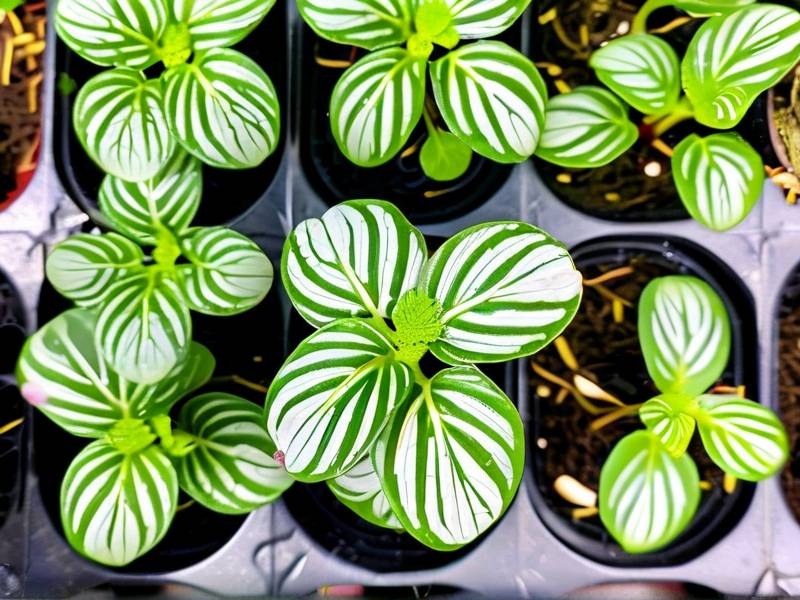
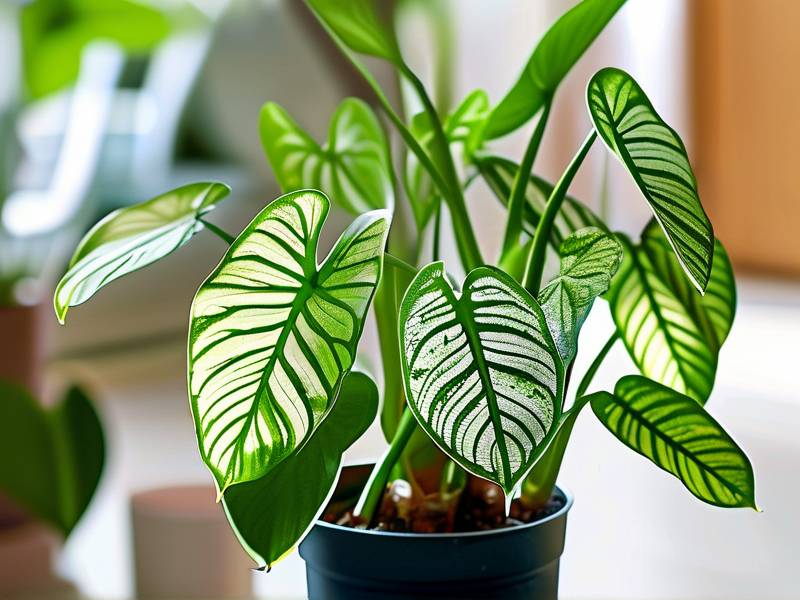
I brought home a Dieffenbachia picta from a local greenhouse. The leaves were glossy green with white speckles. On day 1, I checked the soil with my finger. It felt damp. I left it alone. By day 3, the soil felt slightly dry on top. I used a moisture meter—it read 3 (dry at 1-2 inches). I watered thoroughly with room-temperature filtered water, letting it drain completely. On day 5, I noticed one lower leaf turning yellow. I inspected for pests (none) and decided it was old leaf aging. I removed it with clean scissors. By day 7, the plant looked perkier, with stems standing upright.
Week 2: New Growth Appears
On day 8, I misted the leaves lightly with distilled water to boost humidity. My apartment has dry air (around 30% humidity). I placed a small pebble tray with water nearby. By day 10, I saw a tiny unfurling leaf at the center. I was thrilled. On day 12, I fertilized with a balanced 10-10-10 liquid fertilizer at half strength. I diluted it further because Dieffenbachia picta is sensitive to salt buildup. By day 14, the new leaf had expanded to half size, showing bright cream variegation. I also rotated the pot 90 degrees to ensure even light exposure.
Watering: The Key to Healthy Variegated Leaves
How I Learned to Stop Overwatering
After killing my first plant, I read studies from the Royal Horticultural Society (RHS) recommending watering when the top 1-2 inches are dry. I now follow this religiously. For my Dieffenbachia picta, I water every 7-10 days in summer and every 14-18 days in winter. I also use a potting mix that includes perlite and orchid bark for extra drainage. This prevents waterlogged roots, which cause brown leaf tips and root rot.
Signs Your Dieffenbachia is Thirsty vs. Drowning
- Thirsty: Leaves droop, soil pulls away from pot edges, stems feel limp. I check with my finger—if dry down to 2 inches, I water.
- Drowning: Leaves turn yellow and mushy, soil smells musty, stems feel soft at the base. I had this happen in week 3 of my first attempt. I stopped watering for 10 days and the plant recovered after I trimmed dead roots.
Light Requirements: Why Shade Tolerant Doesn't Mean No Light
The Perfect Spot in My Home
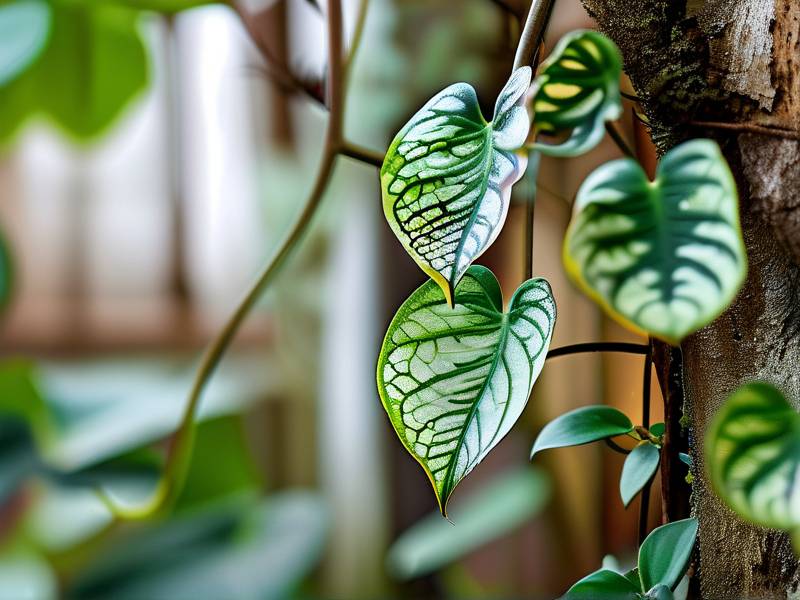
I placed my Dieffenbachia picta 5 feet away from an east-facing window. The morning light is gentle, and the afternoon shade protects the variegated leaves. After 2 weeks, the lower leaves remained deep green while new leaves showed bright white patterns. If you have a north-facing window, this is ideal. Avoid direct south or west light—I learned this the hard way when I saw leaf burn within hours.
Fixing Light Mistakes
I once moved my plant to a dark corner for 3 days. The leaves lost their variegation and turned all green. This is called reversion. The fix: I gradually moved it back to bright indirect light over 5 days. The next set of new leaves regained their white patches. According to the American Horticultural Society (AHSA), Dieffenbachia picta requires at least 4-6 hours of bright indirect light daily to maintain variegation.
Potting and Soil: The Foundation of Success
My Go-To Potting Mix
I mix 2 parts peat moss, 1 part perlite, and 1 part orchid bark. This combination drains fast but holds enough moisture. I used a standard potting soil once, and it compacted after 2 weeks, causing root suffocation. The fix: I repotted with my mix, and the plant responded with new roots in 14 days.
Choosing the Right Pot
I always use pots with drainage holes. My favorite is a 6-inch terracotta pot because it breathes. I avoid glazed ceramic without holes. For my Dieffenbachia picta, I repot every 12-18 months into a pot 2 inches larger. I tried a solid plastic pot once—water sat at the bottom, and the plant developed root rot in 3 weeks.
Humidity and Temperature: Creating a Tropical Microclimate
How I Boost Humidity
My apartment stays at 30% humidity. For a shade tolerant plant like Dieffenbachia picta, that's too dry. I mist the leaves twice daily with distilled water. I also placed a humidifier 3 feet away, set to 50%. After 2 weeks, leaf edges stopped browning. A friend uses a glass jar cover over her plant—it creates a mini greenhouse.
Temperature Range That Works
I keep my thermostat at 65-75°F (18-24°C). The plant cannot tolerate drafts or sudden temperature drops. I lost a leaf after leaving it near an air conditioner vent for 3 hours. Now I keep it away from vents and doors. In winter, I move it to a warmer room.
Fertilizing: Less is More for High Ornamental Value
My Schedule for Vibrant Leaves
I fertilize every 4 weeks during spring and summer. I use a liquid houseplant fertilizer at quarter strength. I tried full strength once—the leaf tips turned brown within a week from salt burn. The fix: I flushed the soil with water for 3 days, then resumed with diluted fertilizer. The plant bounced back in 2 weeks. For winter, I stop fertilizing completely.
Signs You're Overfertilizing
- White crust on soil surface—I scraped it off and watered deeply to leach salts.
- Leaf curling and yellowing—I reduced fertilizer to every 6 weeks.
Propagation: How I Created a Second Plant
My Stem Cutting Success
I took a 4-inch stem cutting from my healthy Dieffenbachia picta in week 4. I removed the lower leaves, dipped the end in rooting hormone, and placed it in water. Within 2 weeks, roots appeared. I then potted it in my mix. The cutting grew its first new leaf after 14 days. I keep the soil slightly moist but not wet.
Common Propagation Mistakes
- Using a cutting with no nodes—no roots will form.
- Placing the vase in direct light—the cutting dried out.
- I made these errors with my first attempt. Now I use a clear glass jar and change water weekly.
Pest Control: What I Do When I See Bugs
My Battle with Spider Mites
In week 6, I saw tiny webs on leaf undersides. I bought insecticidal soap from a garden center. I sprayed the leaves weekly for 3 weeks. I also wiped each leaf with a damp cloth. After 2 weeks, the mites were gone. I now inspect my plant weekly with a magnifying glass.
Preventive Measures
- Isolate new plants for 2 weeks before placing near others.
- Keep leaves clean by wiping with a damp cloth monthly.
- Avoid overwatering—mites thrive in humid soil.
Common Problems and Solutions from My Experience
Yellow Leaves
I panicked when a lower leaf turned yellow. It was just aging. I removed it. But if multiple leaves yellow, it's overwatering or too much light. I fix this by checking soil moisture and adjusting light.
Brown Leaf Tips
This happened when my humidity dropped to 20%. I increased misting and added a pebble tray. After 2 weeks, new leaves had clean edges.
Leggy Growth
My plant stretched toward the window. I rotated it 90 degrees weekly. New growth became compact and balanced.
Frequently Asked Questions
How often should I water Dieffenbachia picta?
I water every 7-10 days in growing season and every 14-18 days in winter. Always check soil moisture first. Overwatering kills faster than underwatering.
Can I grow Dieffenbachia picta in low light?
Yes, it is shade tolerant, but it needs bright indirect light to maintain variegation. I use a north-facing window. Without enough light, leaves turn solid green.
Why are my Dieffenbachia leaves curling?
This usually means underwatering or low humidity. I fixed it by watering thoroughly and raising humidity to 50%. New leaves uncurled in 3 days.
My Final Thoughts on Long-Term Care
After 2 weeks of dedicated care, my Dieffenbachia picta now has 5 new leaves and a balanced shape. I check the soil every 3 days, mist when dry air hits, and rotate the pot weekly. The high ornamental value of the variegated leaves makes it all worthwhile. Stick to my routine, avoid the 3 deadly mistakes, and your plant will thrive.