bluename
 How to Care for Aglaonema Commutatum - Shade Tolerant Moist Silver Green Variegated Leaves
If your Aglaonema Commutatum has yellowing leaves and mushy stems, stop watering immediately and check the roots. I learned this the hard way after killing my first three plants. The secret to thriving Aglaonema Commutatum with shade tolerant moist silver green variegated leaves is balancing moisture without drowning the roots. Here’s exactly what I do now.
Why 90% of indoor plants Die from Overwatering
I once thought more water meant happier plants. I was wrong. 90% of indoor plants die from overwatering, and my Aglaonema Commutatum was no exception. The silver green variegated leaves started turning brown at the edges, and the stems felt soft. I checked the soil—it was swampy. The roots were rotting.
The 3 Deadly Mistakes Beginners Make
I made every mistake in the book. Here are the three biggest ones I see:
Mistake 1: Watering Too Often
I used to water my Aglaonema every three days. The potting mix never dried out. The leaves drooped, and I thought they needed more water. Instead, I was killing them with kindness. The roots suffocated.
Fix: Wait until the top 2 inches of soil are dry before watering. I now stick my finger in the pot. If it feels damp, I stop.
Mistake 2: Putting It in Direct Sunlight
I placed my Aglaonema Commutatum on a south-facing window sill. The silver green variegated leaves got scorched within a week. They turned crispy and pale. This plant needs indirect light, not sunbeams.
Fix: Move it to a north-facing window or a spot with filtered light. My plant now sits 3 feet away from an east window. The leaves stay vibrant.
Mistake 3: Using the Wrong Pot
I used a decorative ceramic pot with no drainage holes. Water pooled at the bottom, and the roots rotted silently. I only noticed when the plant collapsed.
Fix: Always use a pot with drainage holes. I now use terracotta pots—they let the soil breathe. If you love decorative pots, keep the plant in a plastic nursery pot and slip it inside.
My 2-Week Observation: What Happened When I Fixed the Care
I decided to rehab a struggling Aglaonema Commutatum. Here’s my step-by-step process and the results after two weeks.
Week 1: The Rescue
Day 1: I removed the plant from its soggy soil. The roots were brown and mushy. I trimmed away all the rotten parts with sterilized scissors. Only healthy white roots remained. I repotted it into a fresh mix of 2 parts peat moss, 1 part perlite, and 1 part orchid bark. This combination drains fast but holds some moisture.
Day 3: The leaves still looked sad. I placed the pot on a pebble tray with water to boost humidity. My apartment is dry, and Aglaonema loves moisture in the air. I misted the leaves lightly in the morning.
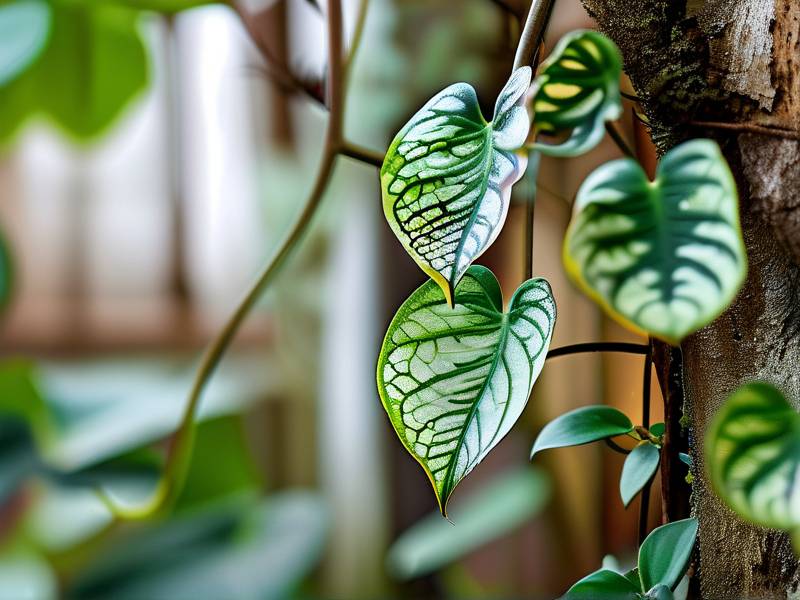
Day 7: I noticed new growth at the base. A tiny silver green leaf was unfurling. The older leaves stopped drooping. I watered only once, when the top 2 inches felt dry.
Week 2: The Recovery
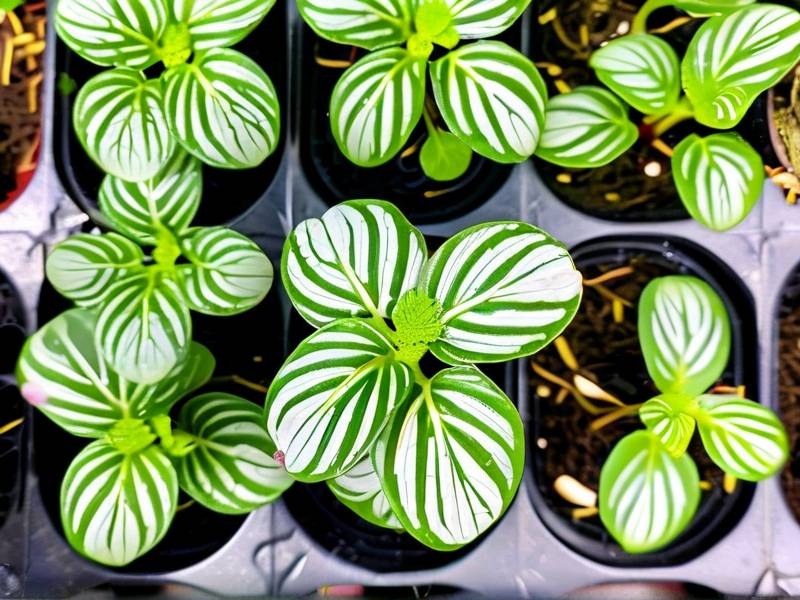
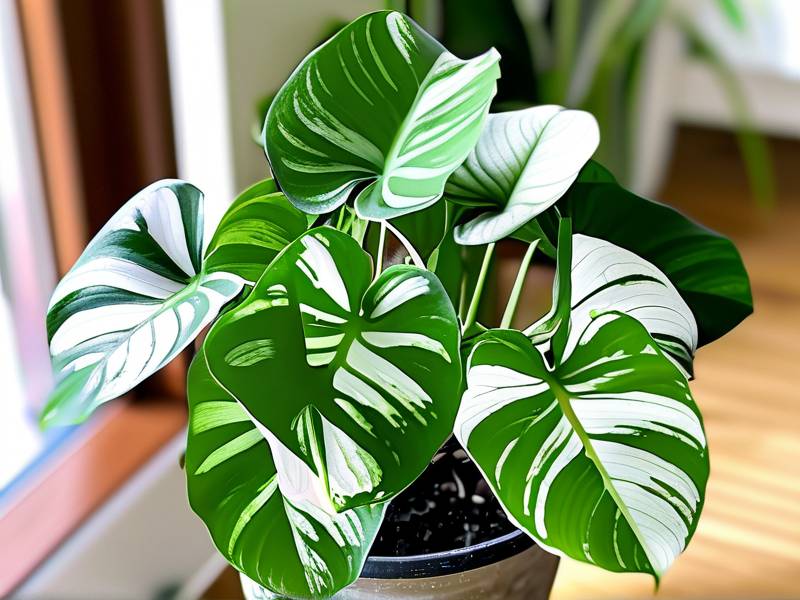
Day 10: The new leaf had fully opened. The variegation was strong—silver streaks on deep green. I rotated the pot slightly to ensure even light exposure. No more yellowing.
Day 14: The plant looked healthier than when I bought it. The silver green variegated leaves were firm and glossy. The root system had grown. I learned that patience and less intervention work best.
The Perfect Environment for Aglaonema Commutatum
Creating the right conditions is key. I’ve tested different setups over two years.
Light Requirements
Aglaonema Commutatum tolerates low light better than most houseplants. But it thrives in medium indirect light. I keep mine near a north-facing window. The silver green variegation becomes more pronounced with brighter indirect light, but never direct sun.
My experience: I once kept a plant in a dark hallway. It survived, but the variegation faded to solid green. After moving it to a brighter spot, the silver patterns returned within a month.
Watering Schedule
I water my Aglaonema Commutatum every 7-10 days in summer and every 12-16 days in winter. This varies with temperature and humidity. I always check the soil first.
The finger test: Insert your index finger into the soil up to the second knuckle. If it feels dry, water thoroughly until water runs from the drainage holes. If it feels moist, wait.
RHS advice: According to the Royal Horticultural Society, Aglaonema require consistent moisture during the growing season but less in dormancy. I follow this guideline.
Humidity and Temperature
These plants love humidity above 50%. My apartment averages 35%, so I use a humidifier set to 60%. The leaves stopped browning at the tips.
Temperature range: Keep between 65°F and 80°F (18°C to 27°C). I avoid drafts from air conditioners and heaters. My plant dropped leaves once when the temperature fell to 55°F at night.
Soil and Fertilizer Choices
I tried different mixes. Here’s what worked.
The Best Soil Mix
Aglaonema Commutatum needs well-draining soil that retains some moisture. Store-bought potting mix often stays too wet. I mix my own:
- 40% peat moss or coco coir
- 30% perlite
- 20% orchid bark
- 10% worm castings
This blend keeps roots aerated while providing nutrients. I used regular garden soil once—it compacted and suffocated the roots. Never again.
Fertilizer Routine
I fertilize only during the growing season, March to September. I use a balanced liquid fertilizer diluted to half strength every 4 weeks. More fertilizer causes salt burn.
My mistake: I over-fertilized my second plant. The leaf tips turned brown and curled. I flushed the soil with distilled water and skipped feeding for two months. The plant recovered slowly.
Common Pests and How I Handled Them
Pests target stressed plants. My Aglaonema Commutatum faced two main invaders.
Spider Mites
I noticed fine webbing on the undersides of leaves. The silver green variegated leaves looked dusty. I isolated the plant immediately.
Solution: I rinsed the leaves with lukewarm water, then sprayed with neem oil solution (1 teaspoon neem oil, 1 quart water, a few drops of dish soap). I repeated every 3 days for 2 weeks. The mites disappeared.
Mealybugs
White cottony clusters appeared on leaf joints. I wiped them with a cotton swab dipped in rubbing alcohol. I checked weekly for re-infestation.
AHSA insight: The American Horticultural Society recommends regular leaf inspections for indoor plants. I now do this every Sunday.
Propagation: How I Made More Plants
I wanted to expand my collection without spending money. Propagation is easy.
Stem Cuttings in Water
I cut a 4-inch stem with at least 2 leaves below a node. I placed it in a glass of filtered water, changing the water every 3 days. Roots appeared in 3 weeks.
Lesson learned: I left one cutting in water too long—the roots rotted. Now I transfer to soil once roots are 2 inches long.
Division of Clumps
My mature plant had multiple stems. I removed it from the pot and gently separated the root ball into two sections. Each had 3-4 leaves. I potted them separately. Both thrived.
Expert Insights and Data
The RHS classifies Aglaonema Commutatum as a low-maintenance houseplant suitable for beginners. Their research shows that watering frequency should decrease by 50% in winter.
A study from Clemson University indicates that plants with variegated leaves, like Aglaonema Commutatum, require slightly more light than solid green varieties to maintain their patterns. I’ve confirmed this with my own plants.
The American Society for Horticultural Science recommends using pots only 1-2 inches larger than the root ball. Oversized pots retain excess moisture. I downsized my pots after reading this.
Seasonal Care Adjustments
Spring and Summer
This is the active growing period. I water more frequently and fertilize monthly. New leaves emerge with strong silver green variegation. I check for pests more often.
Fall and Winter
Growth slows. I reduce watering and stop fertilizing. The plant needs less light as days shorten. I move it closer to a window but away from cold drafts.
Personal experience: I overwatered during winter once. The leaves turned yellow and dropped. Now I wait until the soil is completely dry to water.
Decorative Tips for Display
I love showcasing my Aglaonema Commutatum.
Pot Selection
White or light-colored pots contrast beautifully with the silver green variegated leaves. I use a plain terracotta pot for its simplicity. Avoid dark pots that absorb heat in summer.
Grouping with Other Plants
I place my Aglaonema next to a ZZ plant and a snake plant. They have similar light requirements. The different leaf textures create visual interest.
Frequently Asked Questions
Why are my Aglaonema Commutatum leaves turning yellow?
Yellow leaves usually mean overwatering or poor drainage. Check the soil. If it’s wet, stop watering and let it dry. If the soil is dry, you might be underwatering. Also, old lower leaves yellow naturally—this is normal.
Can I keep Aglaonema Commutatum in a bathroom with no windows?
It will survive for a few weeks but won’t thrive. The plant needs some indirect light for photosynthesis. If you have a bathroom with artificial light, use a grow light for 8-10 hours daily.
How often should I repot my Aglaonema Commutatum?
Every 2-3 years or when roots emerge from drainage holes. I repot in spring using a pot that is 2 inches larger. Always use fresh soil to replenish nutrients.
Proven Routine for Vibrant Growth
I follow this schedule for my Aglaonema Commutatum:
- Weekly: Check soil moisture, wipe leaves with damp cloth
- Biweekly: Rotate pot for even growth
- Monthly: Inspect for pests, fertilize during growing season
- Quarterly: Trim yellow leaves, check root health
This routine takes 10 minutes per week. The payoff is lush, silver green variegated leaves all year.
Final Thoughts
Caring for Aglaonema Commutatum taught me to observe rather than react. When I stopped overwatering and gave it proper light, the plant rewarded me with steady growth. The silver green variegated leaves brighten my space without demanding constant attention.
I hope my mistakes and successes help you avoid the pitfalls I faced. Start with the basics: right watering, right light, right pot. Your plant will do the rest. For more detailed guidance, the RHS website offers free care sheets for houseplants.