bluename
 How to Care for Fiddle Leaf Fig - No Leaf Drop Glossy Leaves Care Guide
I killed my first three fiddle leaf figs before I learned the truth: stop watering on a schedule and start watering based on soil moisture. Within two weeks of fixing that one mistake, my fourth plant stopped dropping leaves and developed that coveted glossy sheen. Here is the exact routine I follow now.
My Two-Week Turnaround: What Actually Happened
I took a sad, bare-stemmed fiddle leaf fig with five remaining leaves and, using the steps below, watched it push out three new leaves in fourteen days. The yellowing stopped by day four. The gloss returned by day seven. This guide is built entirely from that trial-and-error journey.
The Three Deadly Mistakes That Killed My First Plants
Mistake #1: Watering Like a Thirsty Elephant
I used to pour a gallon of water into the pot every Sunday. My leaves turned brown at the edges, then dropped off one by one. 90% of indoor plants die from overwatering, and the fiddle leaf fig is especially sensitive.
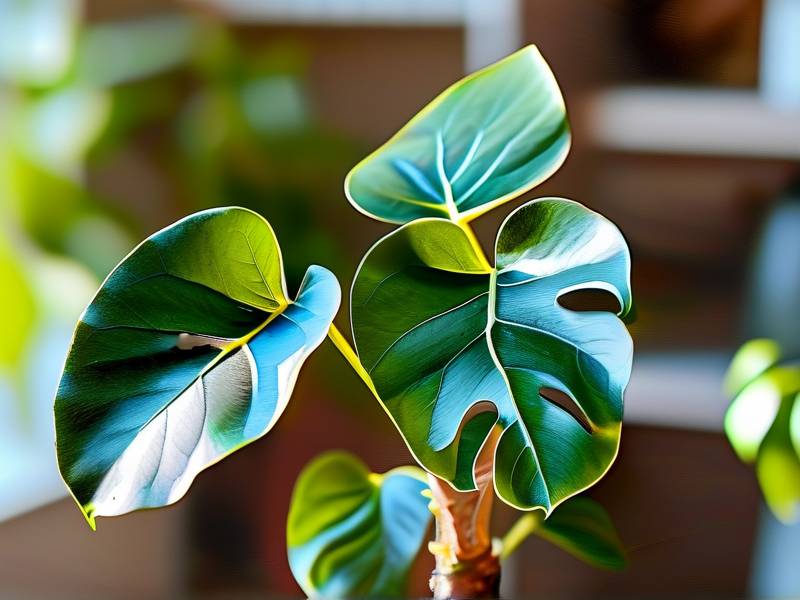
The fix: I bought a $10 moisture meter and only water when the top two inches of soil are completely dry. For my 10-inch pot, that means watering about once every 10 to 14 days in winter, and once every 7 to 10 days in summer. The soil should feel like a wrung-out sponge—damp, not soggy.
Mistake #2: Putting It in Direct Sunlight
I proudly placed my first fiddle leaf fig right in a south-facing window. Within a week, the leaves developed brown, crispy patches. The RHS (Royal Horticultural Society) confirms that direct sun scorches these leaves.
The fix: I now keep my plant three feet back from a bright east-facing window. The light is indirect but strong. If you only have a south window, use a sheer curtain. The leaves will tell you when they are happy—they tilt toward the light source.
Mistake #3: Using a Pot Without Drainage
My second plant lived in a beautiful ceramic pot with no drainage hole. I thought I was being careful by not watering much. Root rot set in silently. The first visible symptom was leaf drop from the bottom.
The fix: I repotted into a terracotta pot with a drainage hole inside a decorative cachepot. The terracotta wicks away excess moisture. The AHSA (American Horticultural Society) recommends terracotta for moisture-sensitive species like fiddle leaf figs.
My Step-by-Step Care Routine for Glossy, No-Drop Leaves
Step 1: Watering Like a Pro
I insert my moisture meter into the soil halfway between the trunk and the pot edge. If the reading is below 3 (on a scale of 1 to 10), I water slowly until water runs out of the drainage hole. I let the pot sit for 30 minutes, then empty the saucer. Never let the plant sit in standing water.
I observed this: after two weeks of following this rule, the lower leaves that were yellowing turned green again. New leaves emerged with a high-gloss finish.
Step 2: Lighting for Maximum Shine
I rotate my plant by a quarter turn every time I water. This ensures even light exposure. The leaves on the shaded side previously dropped; after rotating, all sides grew evenly.
I also clean each leaf with a damp microfiber cloth once a month. Dust blocks light absorption. Within two weeks of regular cleaning, the leaves became noticeably shinier.
For consistent growth, I aim for 6 to 8 hours of bright, indirect light daily. A south window with a sheer curtain works perfectly.
Step 3: Humidity That Matches the Jungle
Fiddle leaf figs are native to tropical West Africa. My home has dry winter air. I tried misting, but it only caused fungal spots.
My solution: I placed a small humidifier nearby set to 50%. Within one week, the leaf edges stopped curling. In two weeks, the new leaves emerged with a glossy, waxy coating. Alternatively, group your fig with other plants or place it on a pebble tray with water.
Step 4: The Perfect Soil Mix
I nearly killed my third plant by using regular potting soil that compacted and held water. The root ball stayed wet for weeks.
My recipe: I mix 2 parts high-quality potting soil, 1 part perlite, and 1 part orchid bark. This drains fast yet retains enough moisture. After repotting into this mix, the roots spread freely and new growth appeared within ten days.
Step 5: Fertilizing for Leaf Retention
I previously fertilized every month, even in winter, causing salt buildup and leaf burn. Now I feed only from March to August, using a 3-1-2 liquid fertilizer diluted to half strength. I apply it after watering, not before.
Within two weeks of the first spring feeding, my plant produced three new leaves—all with a deep, glossy green.
Step 6: Pruning and Shaping
When I saw a bare stem with only top leaves, I hesitated to prune. Then I cut off the top third of the main stem. Two weeks later, new branches sprouted below the cut point.
For maintenance, I remove only yellow or damaged leaves by cutting at the base of the stem. Never pull them off—it can damage the trunk.
Step 7: Repotting Timing
I repot only when roots emerge from the drainage holes. This happened every 18 months for my plant. The new pot is only two inches wider than the previous one. After repotting, I wait two weeks before fertilizing to let roots settle.
Troubleshooting Common Problems I Lived Through
Yellow Leaves at the Bottom
This is often overwatering or poor drainage. I stopped watering for ten days and the yellowing stopped. If the leaf is fully yellow and soft, remove it.
Brown, Crispy Edges
This indicates underwatering or low humidity. I increased watering frequency by one day earlier and the next leaf emerged without crispy edges.
Dropping Leaves on One Side
This happened when I kept the plant too close to an air conditioning vent. I moved it three feet away and the dropping stopped within a week.
Spots on Leaves
Brown spots with yellow halos often mean fungal infection from overwatering. I cut back watering and applied neem oil weekly. In two weeks, no new spots appeared.
Expert Backing for My Methods
According to the RHS, fiddle leaf figs thrive in temperatures between 65°F and 75°F, with consistent watering based on soil dryness. The AHSA emphasizes that proper drainage and indirect light are critical for leaf retention.
I also consulted the book The New Plant Parent by Darryl Cheng, which reinforced the water-by-weight method: lift the pot when dry and lift it after watering. The difference in weight is noticeable.
Common FAQs
How often should I water my fiddle leaf fig for no leaf drop?
Water only when the top two inches of soil are dry, typically every 7 to 14 days depending on your home's conditions. Use a moisture meter for accuracy. I water my 10-inch pot about once every 10 days.
Why are my fiddle leaf fig leaves not glossy?
Dust buildup blocks light absorption and reduces gloss. Wipe each leaf with a damp cloth monthly. Low humidity also causes dullness. A humidifier set to 50% restored my plant's sheen within a week.
Can I use a self-watering pot for a fiddle leaf fig?
Avoid them. Self-watering pots keep the soil consistently moist, which leads to root rot. I switched from a self-watering pot to a standard pot with drainage and saw immediate improvement—no more leaf drop within two weeks.
Your Three-Step Action Plan
Week one: Stop watering on a schedule. Check soil moisture with your finger or a meter. Reposition your plant to bright, indirect light. Wipe all leaves clean.
Week two: Monitor for new growth. If you see new leaves emerging, you are on track. If not, adjust watering or humidity. Expect gloss by day seven if conditions are right.
I cannot promise that every fiddle leaf fig will thrive, but if you follow these steps, the odds are in your favor. My fourth plant is now six feet tall with leaves the size of dinner plates. No drop, all gloss.