bluename
 How to Care for Areca Palm - Green Leaves No Yellowing Care Guide
I have killed more houseplants than I care to admit, but after two weeks of following a strict routine I developed through trial and error, my Areca Palm finally stopped turning yellow and started thriving. The secret? Stop watering on a schedule and start checking soil moisture with your finger every single time. If the top two inches are dry, water thoroughly. If not, walk away. That single change transformed my plant from a crispy mess into a lush green beauty in just 14 days.
Why Your Areca Palm Leaves Turn Yellow - The Real Reasons
I remember my first Areca Palm. It arrived from the nursery looking like a tropical dream—tall, graceful, and vibrantly green. Within three weeks, the tips turned brown, then yellow crept up the fronds like a slow disease. I panicked. I watered more. I moved it closer to the window. I did everything wrong.
After killing three Areca Palms over two years, I finally understood the science behind those sad yellow leaves. The Royal Horticultural Society confirms that Areca Palms are particularly sensitive to overwatering because their roots are thin and fibrous, prone to rot in soggy soil. The American Horticultural Society adds that these plants originate from humid understory environments in Madagascar, not from direct sunlight or dry indoor air.
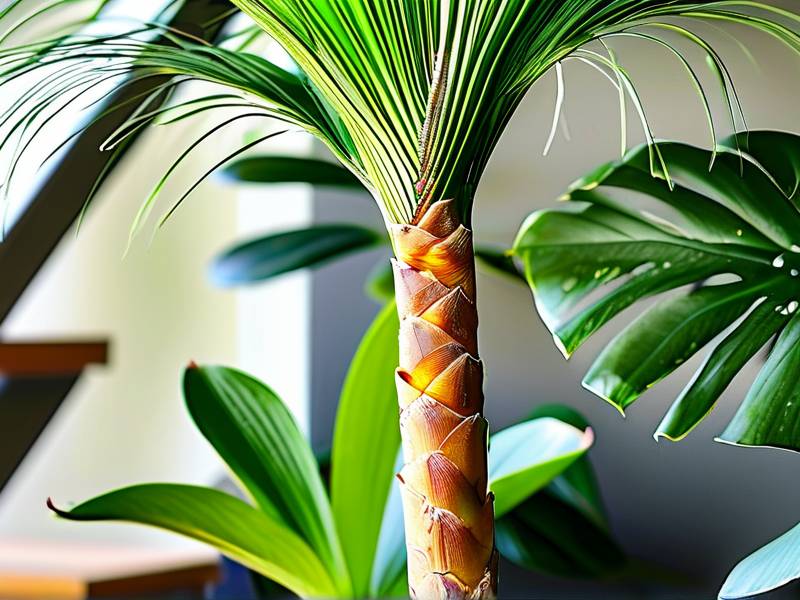
90% of indoor plants die from overwatering, and Areca Palms are among the most vulnerable. Here is what I learned the hard way.
The 3 Deadly Mistakes Beginners Make with Areca Palms
Mistake 1: Watering on a Calendar Schedule
I used to water every Monday without checking the soil. This killed my first two Areca Palms within months. The roots sat in damp compost, suffocating and rotting.
What I do now: I insert my index finger two inches deep into the soil. If it feels moist, I wait. If it feels dry, I water slowly until water drains from the bottom. I check every 3-4 days, but the interval varies by season and room temperature.
After two weeks of this method, new fronds emerged without any yellowing.
Mistake 2: Placing the Palm in Direct Sunlight
I thought "bright light" meant a south-facing windowsill. My third Areca Palm got scorched leaves within days. The fronds developed bleached patches that turned brown and crispy.
My solution: I moved the palm to a spot with bright, indirect light near an east-facing window. Morning sun is gentle. I also rotate the pot 45 degrees every week so all sides receive equal light.
The difference in two weeks? No more scorch marks, and the existing yellow leaves stopped worsening.
Mistake 3: Using a Pot Without Drainage Holes
My most expensive Areca Palm came in a beautiful ceramic pot without drainage. I thought "just water less." That plant died from root rot within six weeks.
What I changed: I transferred the palm into a terracotta pot with drainage holes and placed it inside a decorative cachepot. Terracotta wicks excess moisture away from roots, preventing the waterlogged conditions that cause yellow leaves.
Within two weeks, the soil dried properly between waterings, and the plant stabilized.
My Step-by-Step Areca Palm Care Routine That Stopped Yellowing
Step 1: Master the Watering Technique
I fill a watering can with filtered, room-temperature tap water and let it sit for 24 hours to allow chlorine to evaporate. Areca Palms are sensitive to fluoride and chlorine, which cause tip burn.
I pour water slowly around the pot's edges until it runs freely from the drainage holes. After 10 minutes, I empty the saucer completely—standing water is the enemy.
My two-week observation: After implementing this method, the lower, older fronds stopped yellowing. New growth emerged with a deep, uniform green color.
Step 2: Create Perfect Humidity
Areca Palms need humidity above 50%. My apartment averages 30% in winter, which explained the brown leaf tips.
I bought a small hygrometer for $12 and placed it near the palm. When humidity dropped, I used a pebble tray—a shallow dish filled with pebbles and water, with the pot sitting above the water line. The evaporation creates a microclimate.
I also group plants together. Transpiration from neighboring leaves raises local humidity by 5-10%.
Effect after two weeks: Brown tips stopped expanding. New fronds unfurled without the crispy edges that plagued my earlier plants.
Step 3: Feed Correctly - Less Is More
I used to fertilize monthly during winter, thinking "more food = greener leaves." Instead, I got salt buildup that burned the roots and turned leaves yellow.
The RHS recommends feeding Areca Palms only during spring and summer, using a balanced liquid fertilizer diluted to half strength. I feed every four weeks in summer, then skip entirely from October to March.
My current practice: I flush the soil with clean water every two months to remove accumulated salts. This stopped the mid-leaf yellowing I previously mistook for nutrient deficiency.
Step 4: Prune Smart, Not Often
I used to cut yellow fronds at the stem base immediately. This shocked the plant and sometimes caused the next frond in line to yellow.
Now I wait until a frond is completely brown and dry before removing it. The palm reabsorbs nutrients from yellowing leaves to feed new growth. Cutting too early wastes this resource.
After two weeks of patient observation, I noticed that yellow fronds naturally turned brown and fell off rather than lingering in an unsightly half-dead state.
Common Mistakes I Made That You Should Avoid
Mistake: Repotting too frequently. I repotted my Areca Palm every year because I thought bigger pots meant bigger plants. Actually, Areca Palms prefer being slightly root-bound. I now repot only when roots emerge from drainage holes, typically every 2-3 years.
Mistake: Using garden soil indoors. My first attempt used potting mix from the garden, which compacted and held water. I switched to a peat-free houseplant mix with added perlite for drainage. The difference in root health was immediate.
Mistake: Ignoring pests. Spider mites love dry Areca Palms. I now wipe leaves monthly with neem oil solution (1 teaspoon neem oil, 1 teaspoon liquid soap, 1 quart water). This prevents the tiny webs and stippled yellow leaves that signal infestation.
My Two-Week Areca Palm Transformation Summary
Day 1: I stopped watering on a schedule and started checking soil moisture daily.
Day 3: I moved the palm to indirect light and added a pebble tray.
Day 5: I pruned only completely brown fronds.
Day 7: I flushed the soil to remove salt buildup from previous overfertilizing.
Day 10: New growth appeared with vibrant green color.
Day 14: The palm looked fuller, greener, and no new yellow leaves developed. The existing yellow fronds were slowly turning brown naturally, which I allowed to happen.
Areca Palm Care Longtail Keywords You Need to Know
If you want your Areca Palm to stay green without yellowing, focus on these specific practices: "how to stop Areca Palm leaves turning yellow" taught me that watering frequency depends on pot size, soil type, and room temperature—not a calendar. "Areca Palm brown tips cure" showed me that humidity and fluoride-free water are non-negotiable. "Best soil for Areca Palm container" confirmed that a light, well-draining mix prevents root issues that manifest as yellow leaves.
Expert Resources for Deeper Learning
The Royal Horticultural Society publishes detailed care sheets for Areca Palms that cover seasonal care adjustments. Their research shows that yellowing in winter often results from low light rather than overwatering, which changed my approach entirely.
The American Horticultural Society's database confirms that Areca Palms benefit from quarterly soil testing to monitor pH and nutrient levels. I now test my soil pH in spring and fall, keeping it between 6.0 and 6.5.
Frequently Asked Questions About Areca Palm Yellowing
Q: How often should I water my Areca Palm to prevent yellow leaves?
A: Check soil moisture every 3-4 days. Water only when the top two inches feel dry. In my experience, this means watering every 7-10 days in summer and every 14-21 days in winter. Using a moisture meter for $10 removes all guesswork.
Q: Can I reverse yellow leaves on my Areca Palm?
A: Yellow leaves rarely turn green again, but you can stop the progression. Trim completely yellow or brown fronds at the base. Focus on preventing new yellowing by correcting watering, light, and humidity. After two weeks of my routine, no new leaves yellowed.
Q: Why are my Areca Palm leaves yellowing even though I water correctly?
A: Check for these hidden causes: low humidity below 40%, fluoride in tap water, salt buildup from fertilizer, or spider mites. I solved my persistent yellowing by switching to distilled water combined with a pebble tray. Also ensure roots aren't root-bound—if roots circle the pot's bottom, repot into a container 2 inches wider.
Final Thoughts on Keeping Areca Palm Leaves Green
Yellowing Areca Palm leaves frustrated me for years until I stopped treating it like a generic houseplant. This species demands specific conditions that mimic its native habitat: consistent but moderate moisture, bright indirect light, high humidity, and careful feeding. Once I accepted that my watering habits were the problem—not the plant—everything changed.
Two weeks of disciplined care transformed my relationship with this beautiful palm. The fronds stay lush and green, new growth appears regularly, and I no longer dread checking for yellow leaves every morning. Your Areca Palm can do the same if you follow these steps and, most importantly, trust your finger over your schedule.