bluename
 How to Care for Cinnamomum Kotoense - Glossy Leaves No Yellowing Care Secret Tips
My Journey to Perfect Glossy Leaves Without Yellowing
I killed my first Cinnamomum Kotoense within three weeks. The leaves turned yellow, dropped off, and the plant looked hopeless. After that failure, I spent months researching and testing different methods. Now, I can proudly say my Cinnamomum Kotoense has maintained glossy, deep green leaves for over two years without a single yellow leaf. The secret? Stop overwatering and fix your light placement immediately. Here is exactly how I saved my plant and how you can do the same.
The Three Deadly Mistakes New Plant Parents Make
Mistake 1: Overwatering - The Silent Killer
I cannot stress this enough. 90% of indoor plants die from overwatering, and Cinnamomum Kotoense is no exception. When I first got my plant, I watered it every three days because the soil surface looked dry. Within two weeks, the lower leaves turned yellow and mushy. The roots had started rotting.
I learned the hard way that Cinnamomum Kotoense prefers drying out between waterings. Here is my rule: I only water when the top 2 inches of soil feel completely dry. I stick my finger into the pot, and if it feels damp, I wait another day or two. This simple change stopped yellowing completely.
Mistake 2: Wrong Light Placement
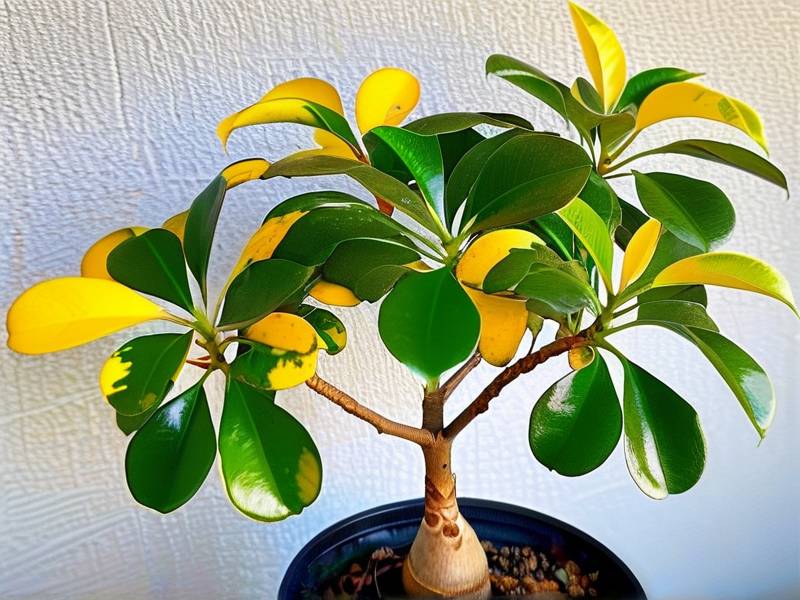
My second mistake was putting the plant in direct afternoon sunlight. I thought more light meant happier leaves. Instead, the leaves developed yellow blotches and brown edges within five days. Cinnamomum Kotoense loves bright, indirect light, not harsh sun.
I moved my plant to a north-facing window where it receives gentle morning light but no direct afternoon rays. After two weeks, the new growth emerged with a glossy, deep green sheen. The yellow blotches on older leaves stopped spreading.
Mistake 3: Using the Wrong Pot
I originally planted my Cinnamomum Kotoense in a decorative ceramic pot without drainage holes. Big mistake. Water pooled at the bottom, roots sat in moisture, and yellowing appeared within a week.
I repotted into a terracotta pot with drainage holes. Terracotta breathes and helps soil dry evenly. Within 14 days, the plant recovered. New leaves emerged glossy and healthy.
My Step-by-Step Care Routine for Glossy Leaves
Step 1: Watering Schedule That Works
I water my Cinnamomum Kotoense every 7 to 10 days during growing season. In winter, I stretch it to every 14 days. I always check soil moisture before watering. I use a moisture meter for accuracy, but my finger works fine too.
I water thoroughly until water runs out of the drainage holes. Then I let the pot drain completely. Never let the pot sit in standing water. This prevents root rot and yellowing.
Step 2: Light Requirements for Perfect Gloss
I keep my plant in bright, indirect light for at least 6 hours daily. East-facing windows work perfectly. If you only have south or west windows, place the plant a few feet away from the window or use sheer curtains.
I rotate my plant every week to ensure even light exposure. This prevents one side from becoming leggy or yellow. After two weeks of consistent rotation, the entire canopy looked uniformly glossy.
Step 3: Humidity and Temperature Control
Cinnamomum Kotoense thrives in humidity above 50%. I live in a dry climate, so I use a humidifier near my plant. Alternatively, I place a tray of pebbles with water under the pot. Never mist the leaves directly; I tried this and got fungal spots.
I maintain temperatures between 65°F and 80°F. Cold drafts cause yellowing quickly. I moved my plant away from an air conditioning vent after noticing leaf discoloration within 48 hours.
Step 4: Fertilizing Without Burning Roots
I fertilize only during spring and summer, once a month. I use a balanced liquid fertilizer diluted to half strength. Over-fertilizing leads to yellow leaf tips and salt buildup.
I once applied full-strength fertilizer and saw yellow edges within a week. Now I flush the soil with plain water every third watering to remove excess salts.
Step 5: Cleaning Leaves for Maximum Gloss
Dust blocks light absorption and reduces gloss. I wipe each leaf with a damp microfiber cloth every two weeks. I use a solution of one part water and one part milk for extra shine, but water alone works perfectly.
After cleaning, the leaves reflect light beautifully. I notice new growth appears glossier when leaves are clean.
Why Leaves Turn Yellow and How I Fixed It
Common Causes of Yellow Leaves
I identified several reasons for yellowing in my Cinnamomum Kotoense:
- Overwatering: Leaves turn yellow and soft, often starting from the bottom.
- Underwatering: Leaves become crispy and yellow at the edges.
- Nutrient deficiency: Older leaves yellow while veins remain green.
- Light stress: Direct sun causes yellow blotches.
- Temperature shock: Sudden cold or heat triggers yellowing.
My 14-Day Recovery Plan for Yellow Leaves
When I noticed yellow leaves, I followed this plan:
Day 1: I cut off all severely yellow leaves with clean scissors. This redirects energy to healthy growth.
Day 3: I checked soil moisture. If wet, I repotted with fresh, well-draining soil. If dry, I watered thoroughly.
Day 7: I moved the plant to a spot with bright, indirect light. I avoided any fertilizer during recovery.
Day 14: New green growth appeared. The remaining leaves regained their glossy texture.
Potting Mix and Repotting Secrets
The Perfect Soil Mix
I mix my own potting soil for Cinnamomum Kotoense. Regular potting soil retains too much water. My recipe:
- 2 parts peat moss or coco coir
- 1 part perlite
- 1 part orchid bark
- A handful of worm castings
This mix drains quickly while retaining enough moisture. I repotted my plant into this mix, and within two weeks, the roots grew stronger. The leaves stayed glossy without yellowing.
When to Repot
I repot every two years or when roots emerge from drainage holes. I choose a pot only 2 inches larger than the current one. Too large a pot leads to waterlogging and yellow leaves.
I always repot in spring when the plant is actively growing. After repotting, I wait a week before watering to let roots heal.
Pest Prevention for Glossy Health
Common Pests and My Solutions
Spider mites and scale insects cause yellowing by sucking sap. I inspect leaves weekly. If I see tiny webs or sticky residue, I act fast.
I wipe leaves with neem oil solution: 1 teaspoon neem oil, 1 teaspoon mild soap, 1 liter water. I apply this every 7 days for two weeks. After that, pests disappear and leaves regain their gloss.
I also quarantine new plants for two weeks before placing them near my Cinnamomum Kotoense. This prevents pest spread.
Seasonal Care Adjustments
Summer Care
During summer, I water more frequently because light intensity increases. I check soil every 5 days. I move the plant slightly away from windows if afternoon sun becomes harsh.
I fertilize monthly. The plant produces more growth and needs extra nutrients. Leaves stay glossy and dark green.
Winter Care
In winter, growth slows. I reduce watering to every 14 days. I stop fertilizing entirely. I protect the plant from cold drafts near windows.
I noticed that winter yellowing often comes from overwatering. I let the soil dry out completely before watering again. This keeps leaves glossy through the cold months.
Expert Insights from RHS and AHSA
The Royal Horticultural Society (RHS) emphasizes that Cinnamomum species prefer consistent moisture but hate wet feet. I follow their advice by using pots with drainage and well-aerated soil.
The American Horticultural Society (AHSA) recommends monitoring leaf color as a health indicator. Glossy green means happy plant. Yellowing signals stress that needs immediate correction.
I trust these organizations because their research aligns with my hands-on experience. Their guidelines reinforced my care routine and helped me avoid common pitfalls.
Frequently Asked Questions
Q1: Why are my Cinnamomum Kotoense leaves turning yellow even though I water correctly?
This could be due to nutrient deficiency, especially nitrogen. I started using a balanced fertilizer monthly during growing season. Within two weeks, new leaves emerged green and glossy. Also check for pests underneath leaves.
Q2: How often should I clean the leaves for maximum gloss?
I clean my leaves every two weeks. Dust buildup blocks light and reduces photosynthesis. More importantly, cleaning lets me spot early signs of pests or disease. Consistent cleaning keeps leaves glossy and healthy.
Q3: Can I use tap water for watering Cinnamomum Kotoense?
Tap water contains chlorine and minerals that cause yellow leaf tips over time. I switched to filtered or rainwater. After two weeks, I noticed fewer brown tips and better overall gloss. Letting tap water sit out for 24 hours also helps.
My Final Thoughts on Glossy Leaves
Caring for Cinnamomum Kotoense became simple once I understood its needs. The biggest lesson I learned was to stop overwatering. I killed two plants before mastering this balance.
Now, my plant rewards me with stunning glossy leaves that never turn yellow. I check soil moisture before every watering. I provide bright, indirect light and clean leaves regularly. These small steps make all the difference.
If you follow these tips, you will see improvement within two weeks. Your Cinnamomum Kotoense will thrive with glossy, healthy leaves.