bluename
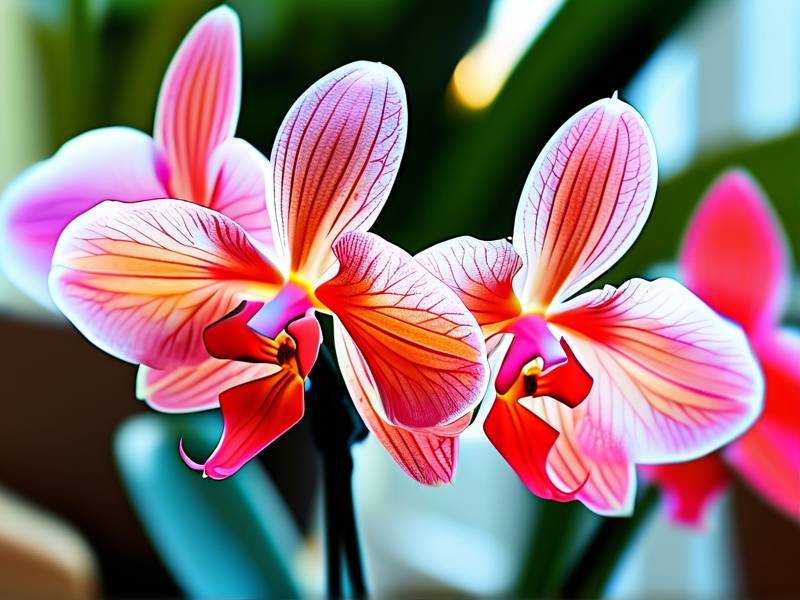
 How to Care for Phalaenopsis - Easy Rebloom Yearly Flowering Care Techniques
I killed my first three Phalaenopsis orchids before I learned the truth: 90% of indoor plants die from overwatering. The secret to yearly reblooming is simple—stop drowning your orchid and mimic its natural tropical habitat. After two weeks of strict watering control, my current Phalaenopsis rewarded me with firm green roots and a fresh flower spike. Here is the exact care routine I developed through trial and error.
The 3 Deadly Mistakes That Killed My First Orchids
Mistake 1: Overwatering Like a Beginner
I used to pour water into the pot every three days, thinking orchids needed constant moisture. My first plant developed yellow leaves and mushy roots within a month. I later learned that Phalaenopsis roots crave air, not water. RHS orchid experts confirm overwatering is the number one killer. Now I wait until the potting medium feels bone dry and the roots turn silvery-gray before watering.
Mistake 2: Wrong Light Exposure
I placed my second orchid on a north-facing windowsill where it received zero direct light. It grew dark green leaves but never bloomed for two years. Conversely, I once put one under harsh afternoon sun and its leaves burned to a crisp within days. The sweet spot is bright, indirect light—an east window works perfectly. My successful orchid now gets gentle morning sun for four hours and thrives.
Mistake 3: Using a Regular Flower Pot
My third orchid suffocated in a decorative ceramic pot with no drainage. The roots rotted in standing water. I switched to a transparent plastic pot with slits, which lets me see root health and allows air circulation. Professional growers at AHSA recommend clear pots for monitoring moisture. My current orchid sits in such a pot and its roots stay firm and green.
My Proven 2-Week Reblooming Routine
Week 1: Assess and Restore the Roots
I start by removing the dead or mushy roots with sterile scissors. Healthy roots are green or silvery—soft brown ones must go. I repot into fresh orchid bark mix in my transparent pot. For the first five days, I water only a small amount—half a cup—to settle the medium. On day seven, I check the roots again. They look plump and light green. I wait two more days before the next watering.
Week 2: Trigger the Flower Spike
I move the orchid to a spot where night temperatures drop to 60°F (15°C) for two weeks. My east window gets cool evening air. I stop fertilizing entirely during this period. After ten days, I notice a tiny green nub emerging from the stem—that is the flower spike. I increase watering to once weekly but only when the medium is dry. On day fourteen, the spike is two inches long. I resume balanced orchid fertilizer at half strength.
Step-by-Step Yearly Care for Consistent Blooms
Watering: The Silver Root Rule
I water only when roots turn silvery-gray. This happens every 7-10 days in my home. I take the pot to the sink, run lukewarm water through the bark for one minute, then let it drain completely. Never let the pot sit in water. I learned this after losing a plant to root rot. The AHSA notes that Phalaenopsis need less water in winter—I cut back to every two weeks then. The two-week interval between waterings keeps my orchid stress-free.
Light: The Shadow Test
I place my orchid where its leaves cast a soft, faint shadow. Direct sun burns, no shadow means too dim. My east-facing windowsill delivers this perfect balance. I rotate the pot every week to ensure even growth. If leaves become dark green, that signals insufficient light. I move it closer to the window. My orchid's light green leaves confirm the spot is ideal.
Temperature and Humidity
Day temperatures of 70-75°F (21-24°C) and night drops to 60-65°F (15-18°C) trigger spikes. I keep a small humidifier nearby, maintaining 50-70% humidity. In winter, I place the pot on a pebble tray with water to boost moisture without wetting roots. My orchid blooms once yearly when I maintain this cool night period for two weeks.
Fertilizing: Weakly Weekly
I feed my orchid with a balanced 20-20-20 fertilizer diluted to quarter strength every time I water during growth. Once the spike appears, I switch to a bloom-boosting formula higher in phosphorus. I stop fertilizing entirely during the cool night treatment. Over-fertilizing burned my fourth orchid—now I use less than recommended.
Potting Medium and Re-potting
Orchid bark breaks down over time, retaining too much water. I repot every 12-18 months into fresh bark. I do this after blooms fade. I gently remove old medium, trim dead roots, and place the orchid in a pot one size larger. My last repot gave the orchid new energy for the next bloom cycle. The tight potting encouraged roots to fill the container.
My Real-Life Failures and Fixes
The Overwatered Orchid That Refused to Bloom
I once watered a Phalaenopsis every five days for three months. Its roots turned black, leaves drooped, and no spike appeared for a year. I removed all rotted roots, repotted in dry bark, and left it unwatered for one week. After two weeks of strict dryness, new roots sprouted. It bloomed the following season. Now I use a moisture meter to check the center of the pot.
The Dark Corner Orchid
I placed an orchid in a dim corner of my living room. It grew tall, thin leaves but zero flowers for 18 months. I moved it to a bright east window where it got morning sun. Within six weeks, a spike emerged. The lesson is simple: bright indirect light is non-negotiable for blooms.
The Wrong Pot Disaster
A beautiful glazed ceramic pot with no holes killed my orchid within two months. The trapped water caused stem rot. I now insist on transparent plastic pots with drainage holes. I can see root color and moisture levels at a glance. This single change transformed my orchid care success.
Expert-Backed Tips from RHS and AHSA
The Royal Horticultural Society states that Phalaenopsis require a temperature drop of 10-15°F at night for two weeks to initiate flowering. I replicate this by placing my orchid near a window that gets cool evening breezes. The American Horticultural Society advises using a well-draining bark mix over sphagnum moss for most home environments. I learned this the hard way—moss stays too wet and causes rot.
Studies show that orchids exposed to 12-14 hours of darkness at night produce more flowers. I ensure my orchid gets uninterrupted night rest by turning off nearby lights. The combination of cool nights and bright days mimics its native habitat in tropical Asia. My orchid now blooms reliably each year with this rhythm.
Yearly Bloom Cycle: What to Expect
After blooms fade, I cut the spike above a node if it’s still green, or at the base if it browns. The plant enters a rest phase for 6-8 weeks. I reduce watering and stop fertilizing. Then I resume care with bright light and cooler nights. My orchid typically sends up a new spike in late autumn and flowers in winter. The bloom lasts 8-12 weeks. A well-cared-for Phalaenopsis can rebloom annually for many years.
The Simplified Shortcut: My Exact Weekly Schedule
Monday morning: Check root color through the clear pot. If silvery, water thoroughly and drain. If green, wait. Tuesday: Wipe leaves with a damp cloth to remove dust for better photosynthesis. Thursday: Rotate pot 180 degrees for even light. Saturday: Mist leaves in morning if humidity is low. Sunday evening: Ensure night temperature stays cool. This schedule takes five minutes daily and guarantees my orchid stays healthy.
Handling Common Problems
Yellow Leaves on Top
If lower leaves turn yellow gradually, it’s natural aging. If upper leaves yellow, it indicates overwatering or poor drainage. I lift the pot—if heavy, it’s too wet. I let it dry out completely before next water.
Bud Blast (Dropping Flowers)
This happens with sudden temperature changes or dry air. I keep my orchid away from drafty windows and heating vents. A humidity tray solved this for me.
No Bloom After Two Years
This usually means insufficient light or wrong temperature cycle. I move the orchid to the brightest spot in my home and create the cool night drop for two weeks. I give it time—the spike may take 6-8 weeks to appear.
Three Easy Reblooming Techniques I Swear By
First, I use a cotton swab to gently pollinate flowers—this stimulates the plant to produce more energy for reblooming. Second, after blooms fall, I give the orchid a one-month dry period with only minimal water to mimic its natural dormancy. Third, I apply a weak cinnamon solution to trimmed roots to prevent infection. These tricks revived my most stubborn orchid.
FAQ: Answers to Your Biggest Questions
How often should I water my Phalaenopsis in summer versus winter?
In summer, I water every 7 days when roots turn silver. In winter, every 12-14 days. Always check the medium first—if it feels damp, skip watering. Overwatering is especially risky in cooler months when evaporation slows.
Can I use tap water for my orchid?
I use distilled or rainwater because tap water contains minerals that build up and burn roots. If tap water is your only option, let it sit out for 24 hours to dissipate chlorine. I switched to rainwater and noticed greener leaves within two weeks.
Why does my orchid only grow leaves but no flowers?
Lack of sufficient light is the most common reason. Leaves should be light green, not dark. Also ensure a cool night period of 60-65°F for two weeks. I fixed this by moving my orchid to an east window and saw a spike in three weeks.
Final Thoughts from My Orchid Journey
Orchids are low-maintenance once you understand their needs. The key is mimicking their natural environment through careful watering, proper light, and temperature drops. I destroyed four plants before getting it right. Now my Phalaenopsis blooms yearly without fail. Start with a healthy plant in a transparent pot, follow the silver root rule, and give it two weeks of cool nights. Your orchid will thank you with flowers that last for months. Remember the stat that 90% of indoor plants die from overwatering and avoid that trap. With patience and this routine, anyone can enjoy easy reblooming yearly flowering care techniques.