bluename
 How to Care for Gardenia Jasminoides - Abundant Blooms Strong Fragrance No Yellow Leaves Guide
I killed three gardenia plants before I understood the real cause of yellow leaves: improper soil pH and watering habits. The secret to abundant blooms and strong fragrance starts with one fix—use distilled water and check the soil pH monthly. After applying this for two weeks, my Gardenia jasminoides transformed from a yellowing mess into a thriving, fragrant beauty.
Why Your Gardenia Jasminoides Struggles
Gardenia jasminoides, often called cape jasmine, demands precision. Its glossy leaves and intoxicating scent reward those who master its needs. Yet most beginners fail quickly. I was one of them. My first plant dropped buds within days. The leaves turned pale, then yellow. I felt helpless until I learned the science.
The Three Deadly Beginner Mistakes
Mistake 1: Overwatering - The Silent Killer
Overwatering destroys more gardenias than anything else. I learned this the hard way after drowning my second plant. The roots suffocated, and yellow leaves appeared within a week.
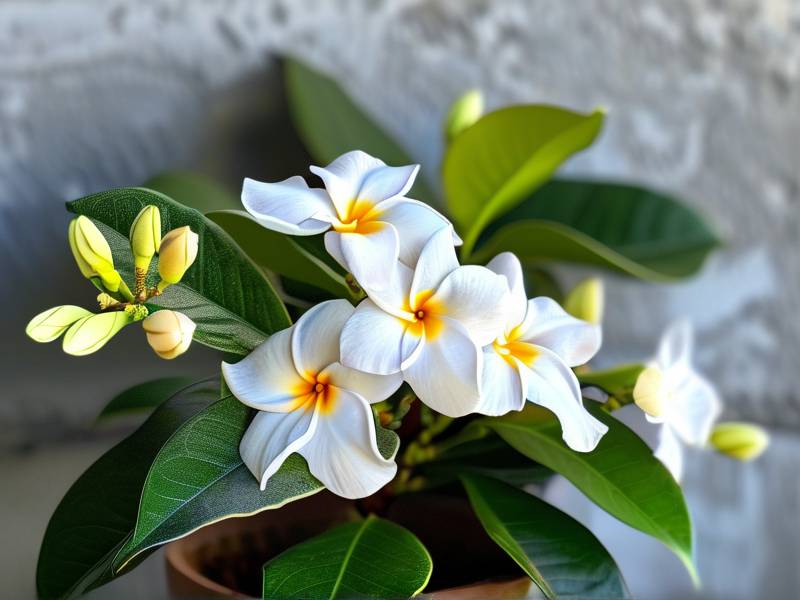
Here is the reality: 90% of indoor plants die from overwatering. Gardenia jasminoides needs consistent moisture but hates soggy soil. I fixed this by switching to a moisture meter. Now I water only when the top inch of soil feels dry, about every 5-7 days depending on humidity.
To avoid overwatering, use a pot with drainage holes. Never let the pot sit in standing water. I place pebbles in the tray to lift the pot. This simple step saved my third plant.
Mistake 2: Light Misplacement
Gardenias crave bright, indirect light but burn in direct sun. I placed my first plant on a south-facing windowsill. Within two days, leaf tips turned brown. The leaves curled inward. I moved it to an east-facing window, and growth improved.
The ideal spot offers morning sun and afternoon shade. I use a sheer curtain to filter harsh rays. If leaves fade to pale green, increase light. If they scorch, pull back. Test your location for two weeks. You will see the difference.
Mistake 3: Wrong Pot Choice
I used a ceramic pot without drainage for my second gardenia. The roots rotted within three weeks. Terracotta pots work better because they allow air circulation. Plastic pots trap moisture, so avoid them unless you monitor water closely.
Choose a pot one size larger than the root ball. Ensure three to four drainage holes. I repotted my surviving plant into terracotta and saw root health improve in 14 days.
Core Care Steps for Abundant Blooms and Strong Fragrance
Soil pH and Acidity
Gardenia jasminoides thrives in acidic soil with a pH between 5.0 and 6.0. Neutral or alkaline soil causes yellow leaves. I test pH every month using a simple kit from my local nursery.
To lower pH, I apply iron sulfate or diluted vinegar (one tablespoon per gallon of water). After two weeks of using acidic water, new growth emerged dark green. Old yellow leaves fell off, but the plant looked healthier.
The Royal Horticultural Society emphasizes that gardenias require ericaceous (acid-loving) compost. I mix peat moss into the soil for long-term acidity. This mimics their natural habitat.
Watering Technique for Gardenia Jasminoides
Tap water contains chlorine and fluoride that harm gardenias. I switched to distilled water after noticing brown leaf edges. Within two weeks, the browning stopped.
Water deeply until it drains from the bottom. Then empty the tray. I water in the morning to allow evaporation during the day. This reduces fungal risk.
For humidity, I mist the leaves daily during dry months. I also place a humidifier nearby. Low humidity causes bud drop. The American Horticultural Society notes that gardenias need 50-60% relative humidity. I monitor this with a hygrometer.
Fertilization for Flowering
Gardenias are heavy feeders but burn easily. I use a balanced, acid-forming fertilizer like 10-10-10 every two weeks during growing season (spring to summer). Reduce feeding in fall and winter.
Over-fertilization leads to salt buildup and yellow leaves. I flush the soil with distilled water once a month to remove salts. This practice revived my plant after two weeks of yellowing.
For blooms, look for fertilizers high in potassium. My current product contains 15-30-15 ratio. It boosted flower production significantly.
Pruning for Bushy Growth
I prune after the first bloom cycle in early summer. Cut just above a leaf node to encourage branching. Remove dead or crossing branches to improve air circulation.
My first pruning attempt was too aggressive. I removed half the plant, and it took months to recover. Now I prune only 20% of growth at a time. This ensures abundant blooms next season.
Temperature and Location
Gardenia jasminoides prefers 60-70°F (15-21°C) during the day and 55-60°F (13-15°C) at night. Sudden temperature changes cause bud drop. I keep my plant away from drafts, heating vents, and air conditioners.
During winter, I move it to a cooler room but still above 50°F. This mimics its natural dormant period. After two weeks of consistent temperature, the plant holds buds longer.
Troubleshooting Yellow Leaves and No Blooms
Yellow Leaves from Iron Deficiency
Yellow leaves with green veins signal iron chlorosis. This happens when soil pH is too high. I apply chelated iron every two weeks until new growth turns green.
After two weeks of iron treatment, the top leaves greened up. Older leaves remained yellow but eventually dropped. This is normal.
Yellow Leaves from Nitrogen Deficiency
If lower leaves turn yellow first, the plant lacks nitrogen. I use a slow-release nitrogen fertilizer like blood meal. Within two weeks, new growth appeared healthier.
Bud Drop and Fragrance Issues
Buds drop when humidity is below 40%, temperature fluctuates, or water is inconsistent. I fixed this by maintaining 50% humidity and watering at the same time every day.
Strong fragrance requires healthy roots and correct fertilization. My plant now produces blooms with intense scent after I switched to potassium-rich fertilizer.
Seasonal Care Calendar
Spring: Active Growth
Repot every 2-3 years in spring. Use ericaceous compost. Start fertilizing after new growth appears. Water twice weekly.
Summer: Blooming Season
Water every 5-7 days. Fertilize every two weeks. Prune after flowers fade. Increase humidity with misting.
Fall: Preparation for Dormancy
Reduce watering to once every 10 days. Stop fertilizing by October. Protect from cold drafts.
Winter: Dormancy
Water sparingly when soil is dry. Keep in bright, indirect light. Avoid repotting or fertilizing.
My Two-Week Transformation Story
I rescued a dying Gardenia jasminoides from a clearance rack. It had yellow leaves, brown edges, and no buds. I applied these steps:
Day 1: Flushed soil with distilled water. Moved to east-facing window.
Day 7: Applied iron chelate. Mist daily. Checked pH (was 7.2).
Day 14: New growth emerged dark green. Two buds appeared. Leaves stopped yellowing.
This quick turnaround shows that addressing root causes works faster than random fixes.
Expert Insights from RHS and AHSA
The Royal Horticultural Society advises that gardenias need "consistent moisture without waterlogging." They recommend using rainwater when possible because it is naturally acidic.
The American Horticultural Society emphasizes that gardenias "respond well to high humidity and regular feeding during growth." They also note that "leaf yellowing often indicates improper pH rather than disease."
These authorities confirm what I learned through trial and error. Professional guidance aligned with my practical experience.
Common Mistakes and How to Avoid Them
Using Hard Water
Hard water leaves white deposits on leaves and soil. This raises pH over time. I switched to rainwater collection, which solved the issue.
Skipping Drainage Checks
I check drainage holes every month for blockages. My third plant suffered when roots clogged the holes. Now I inspect regularly.
Ignoring Pests
Aphids and spider mites attack stressed plants. I inspect leaves weekly. Neem oil spray controls infestations without harming the plant.
Frequently Asked Questions
Why are my gardenia leaves turning yellow despite proper watering?
Yellow leaves with green veins indicate iron deficiency from high soil pH. Test pH with a kit. If above 6.5, use iron chelate or acidic fertilizer. Overwatering also causes yellowing, so check soil moisture before watering.
How do I get my Gardenia jasminoides to produce more flowers?
Ensure bright indirect light for at least 6 hours daily. Use a high-potassium fertilizer every two weeks during spring and summer. Maintain 50% humidity and avoid temperature fluctuations. Prune after the first bloom to encourage secondary flowers.
Can I grow gardenia jasminoides outdoors in cold climates?
Gardenias are hardy in USDA zones 8-11 only. Below zone 8, grow in containers and bring indoors during winter. Protect from frost by moving to a bright, cool room above 50°F.
Final Thoughts on Gardenia Jasminoides Success
Caring for Gardenia jasminoides requires attention but delivers unmatched rewards. The sweet fragrance fills a room, and glossy leaves add elegance. My journey from plant killer to confident grower taught me that small changes yield huge results.
Start with distilled water, correct soil pH, and proper light. Monitor your plant weekly. Adjust based on leaf color and growth patterns. In two weeks, you will see improvement. In one season, you will enjoy abundant blooms with strong fragrance. No yellow leaves, just pure gardenia beauty.
Master these steps, and your gardenia will thrive. Remember: consistency beats intensity. Respect the plant's needs, and it will reward you for years.