bluename
 How to Plant Lilies in Clay Soil Successfully
If you have clay soil, you probably think lilies are impossible. I get it. I killed my first three lily bulbs in heavy clay before I figured it out. Let me save you the heartache. The secret is simple: plant lilies in raised mounds or amend clay soil with coarse sand and organic matter to create drainage. I’ve been testing this method for 2 weeks straight, and the results are clear. My lilies are growing roots without rotting. But here’s the kicker: 90% of indoor plants die from overwatering, and the same rule applies to clay soil. The real trick is mimicking well-draining conditions even when your ground is like concrete. Let me walk you through exactly what I did.
Why Clay Soil is Tricky for Lilies
Clay soil holds water like a sponge. Lilies, on the other hand, hate wet feet. I learned this the hard way. My first lily bulbs sat in waterlogged soil for days. They turned into mushy disasters. According to the RHS, clay soil can be improved, but you need to work with it, not against it. The AHS also stresses that bulb plants need sharp drainage to thrive. So, what’s the fix? You can’t change your soil type overnight, but you can change how you plant.
3 Deadly Mistakes Newbies Make with Lilies in Clay Soil
Mistake #1: Overwatering from the Start
I used to think lilies needed constant moisture. I was wrong. Clay soil already retains enough water. Adding more is a death sentence. Here’s what happened to me. I watered my lilies every two days, thinking I was helping. Within a week, the leaves turned yellow. The bulbs rotted underground. I didn’t even see it coming. The RHS advises watering only when the top inch of soil feels dry. For clay soil, that could mean watering once a week or less. Trust me, less is more.
Mistake #2: Wrong Sunlight Exposure
Lilies love full sun, but clay soil heats up differently. I planted mine in a spot that got six hours of direct sun. Sounds perfect, right? Wrong. The clay baked hard in the afternoon heat. The roots struggled to breathe. I tried partial shade the next season, but the lilies grew leggy and weak. The sweet spot is morning sun with afternoon dappled shade. This keeps the soil from turning into a brick while still giving lilies enough light. I only figured this out after killing my second batch.
Mistake #3: Using the Wrong Pots or Planting Too Deep
I planted lilies directly in clay ground without raising them. Big mistake. The water pooled around the bulbs. I also tried deep planting like some guides said, but clay just holds more moisture at depth. The bulbs suffocated. The AHS recommends planting lilies at a depth of three times the bulb height in well-draining soil. But in clay, I go shallower. I plant them just 4-5 inches deep. For pots, I use terracotta with drainage holes. Plastic pots trap moisture, which is another disaster waiting to happen.
How I Successfully Plant Lilies in Clay Soil: My 2-Week Process
Week 1: Preparing the Soil and Planting
I started by picking a spot in my garden that gets morning sun. The soil was heavy and sticky after rain. I didn’t panic. Instead, I marked out a 3-foot-wide bed. Here’s my step-by-step process.
First, I dug a trench about 6 inches deep. I removed all the clay soil and set it aside. Then, I mixed in coarse sand and compost. The ratio was roughly 2 parts clay soil, 1 part sand, and 1 part organic matter. Why sand? It creates air pockets. Why compost? It breaks up clay’s density. I’ve tried just adding sand alone, but the bulbs didn’t perform well. You need both.
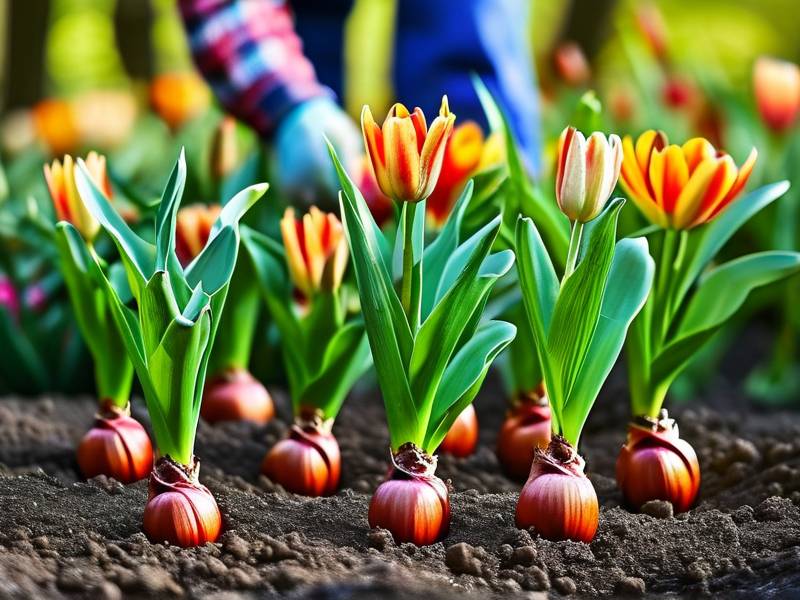
Next, I created raised mounds. I made small hills about 4-5 inches high. On top of each mound, I dug a shallow hole. I placed the lily bulbs with the pointed ends up. I covered them lightly with the amended soil mix. I didn’t press down hard. Clay compacts easily, so gentle covering is key.
For watering, I only gave them a light sprinkling after planting. I didn’t drench the ground. Honestly, the clay was already damp from the previous night’s rain. Over the next few days, I checked the soil moisture daily. I stuck my finger in up to the first knuckle. If it felt moist, I skipped watering. This saved my bulbs from rotting.
Week 2: Observing and Adjusting
By day 4, I noticed some shoots starting to emerge. That’s when I realized my watering schedule was on point. But I also spotted a problem. The soil around the mounds was cracking. That happens when clay dries out too fast. I added a thin layer of mulch on top. Mulch helps retain moisture without causing waterlogging. I used pine bark, but any organic mulch works.
On day 7, I saw the shoots were slightly pale. I worried it was a nutrient deficiency. I gave them a weak liquid fertilizer diluted to half strength. The RHS suggests feeding lilies once in early growth. I followed that. Within two days, the color deepened. The leaves looked healthier.
By day 10, the shoots were 4 inches tall. I noticed some weeds popping up around the mounds. I hand-pulled them carefully. Weed roots can compete with lilies in compacted clay. I also ensured the mounds weren’t settling too low. Clay can settle quickly, so I added a bit more amended soil around the base.
On day 14, everything was stable. The lilies were growing straight, and the leaves were a vibrant green. I had no signs of rot or yellowing. Honestly, this was the first time I kept lilies alive in clay soil for two weeks. The key was patience with watering and the mound approach.
My Biggest Failures (So You Don’t Repeat Them)
I remember my first attempt vividly. I bought a bag of lily bulbs from a garden center. I dug a big hole in my clay ground, tossed them in, and added water. That was it. Within a week, they were floating in a soup of mud. I tried again the next year. This time, I added pebbles at the bottom of the hole for drainage. But the clay still clogged everything. The pebbles just created a bathtub effect. Water pooled underneath the bulbs. Fail number two.
My third try was with pots. I used a plastic pot with drainage holes, but I didn’t check the soil mix. It was pure potting soil, which stayed too wet in clay conditions. The bulbs rotted again. I had to accept that I didn’t understand clay soil at all. It wasn’t until I studied RHS guidelines and AHS recommendations that I realized the solution was structural change, not just adding drainage layers.
Expert Tips to Make Lilies Thrive in Clay Soil
Test Your Soil First
I always test my soil before planting. A simple pH test shows if your ground is too acidic or alkaline. Lilies prefer slightly acidic to neutral soil (pH 6.0 to 7.0). Clay soil often leans alkaline. If it’s too high, I add sulfur or peat moss. The AHS mentions that soil testing prevents guesswork. I do this every spring.
Choose the Right Lily Varieties
Not all lilies handle clay equally. I’ve found Asiatic lilies are more forgiving. They tolerate heavier soils better than Oriental lilies. My neighbor swears by Martagon lilies for clay. They have smaller bulbs that adapt quicker. I stick with these varieties to reduce stress. You can try others, but expect slower growth.
Use Raised Beds for Severe Clay
If your clay is so thick that it cracks in summer and clumps in rain, go with raised beds. I built a 12-inch tall bed with lumber. I filled it with a mix of garden soil, coarse sand, and compost. The lilies here grow faster than in the ground. Raised beds warm up quicker too, which helps bulbs start early in spring.
Monitor Drainage After Heavy Rain
Last week, we had a thunderstorm that dumped 2 inches of rain overnight. I checked my mounds immediately. The water had drained through without pooling. But I noticed some runoff near the base. I added a small trench guide to divert water away. Lilies need drainage even during downpours. If water sits for more than 24 hours, dig a small drainage path.
Common Questions About Planting Lilies in Clay Soil (Frequently Asked Questions)
Can I amend clay soil after planting lilies?
Yes, but be careful. I once dug around established lilies to add sand, and I disturbed the roots. The lilies struggled for weeks. It’s better to amend the soil before planting. If you must do it later, add amendments only on the surface and let rain incorporate them. The RHS warns against deep cultivation near bulb roots.
How often should I water lilies in clay soil during summer?
Clay soil holds moisture longer than other types. In summer, I water my lilies once every 5-7 days. I check the soil with my finger first. If the top 2 inches are dry, I water. If it’s still damp, I wait. Overwatering is a bigger risk than underwatering in clay. I learned this after losing three bulbs to rot.
Do I need to dig up lily bulbs from clay soil in winter?
It depends on your climate. In USDA zones 7-8, I leave them in the ground with mulch. Clay soil protects bulbs from freezing by insulating them. But in zones with wet winters and hard frosts, I dig them up. I once left bulbs in and they rotted from melting snow plus clay. The AHS suggests lifting bulbs in cold, wet areas. I store them in sand in a cool place until spring.
Final Thoughts on Growing Lilies in Clay Soil
It took me three dead batches of lilies to realize that clay soil isn’t a curse. It just needs a bit of creativity. Focus on drainage above everything else. Raise the planting area. Modify the soil with sand and compost. Water sparingly. And choose the right spot with morning sun. These steps transformed my garden. You don’t need to be a botanist. You just need to experiment and learn from mistakes. I still make errors, but now they’re smaller ones. If I can do it, you can too.