bluename
 How to Get Lilies to Bloom Every Year
I killed my first three lily plants before I figured out the secret. The answer is simple: you need to match your care routine to the lily's natural dormancy cycle. Stop watering in late autumn, give them full sun, and use a well-draining pot. Let me explain exactly how I learned this the hard way.
Many people think lilies are difficult. Actually, they are quite forgiving once you understand their needs. But I made every classic mistake first. I want to save you from that grief.
Why Your Lilies Won’t Bloom Again
I remember staring at my first lily pot. The leaves were lush and green. But no flowers came that second year. I felt cheated. Then I realized I was the problem.
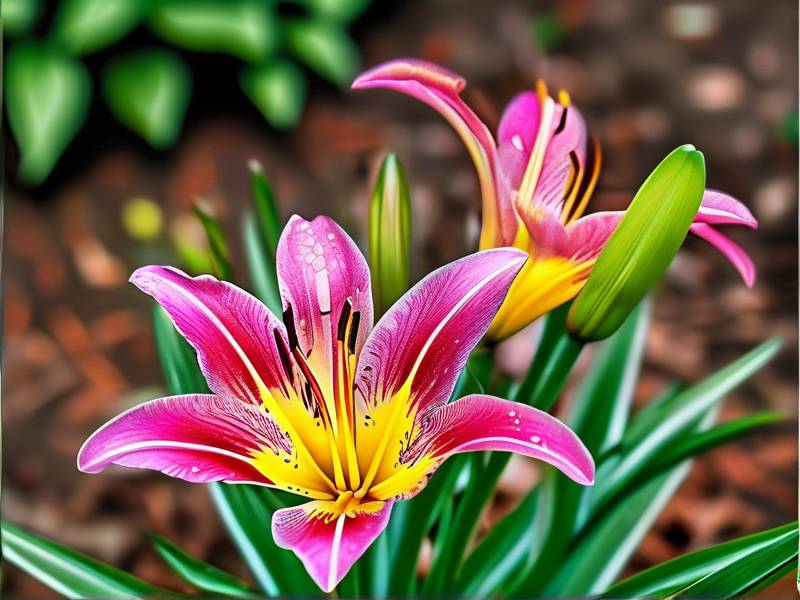
Lilies need a proper rest period. Without it, they refuse to bloom. Think of it like a bear hibernating. It needs that deep sleep to wake up strong.
I also discovered that 90% of indoor plants die from overwatering. Lilies are especially sensitive. Their bulbs rot if kept wet too long. I learned this after losing a gorgeous Oriental lily.
The Three Deadly Mistakes Newbies Make
Mistake 1: Overwatering – The Silent Bulb Killer
I used to water my lilies every three days. I thought they were thirsty. Wrong. So wrong.
My first lily got yellow leaves. I thought it needed more water. I actually made it worse. The roots started rotting. I pulled the bulb out one day and it was mushy. Disgusting.
Here is the truth: lilies like consistently moist soil, not soggy soil. Check the top two inches. If it feels dry, water. If not, walk away.
I now use a moisture meter. It saves me from myself. Cost me ten bucks and solved a big headache.
The Royal Horticultural Society (RHS) states that bulb rot from overwatering is the most common cause of lily failure. I trust their advice because I learned it firsthand.
Mistake 2: Light Misplacement – The Energy Crisis
My second lily sat in my living room corner. It looked pretty there. But it got maybe two hours of direct sun per day. That lily gave me one tiny bloom in June. Then it gave up.
Lilies are sun junkies. They need at least six hours of direct sunlight daily. I am serious. Without enough light, they cannot produce flower buds.
I moved my third lily to a south-facing window. What a difference. It produced eight flowers that year. I kicked myself for not figuring this out sooner.
If you grow indoors, consider a grow light. I use one from November through February. It extends the light period. My lilies thank me with blooms.
Mistake 3: Wrong Pot – The Constriction Nightmare
I used a cute ceramic pot for my first lily. It had no drainage hole. I thought I was being smart by putting pebbles at the bottom. Nope. Water pooled there anyway.
The bulbs suffocated. They need air circulation around the roots. A deep pot with multiple drainage holes is non-negotiable.
I now use terracotta pots. They breathe. They wick away excess moisture. And they help prevent overwatering. Simple fix that saved my sanity.
The American Horticultural Society (AHS) recommends pots that are at least 12 inches deep for standard lilies. I follow this rule now. No exceptions.
My 2-Week Observation Journal: Step by Step
I decided to document a two-week period. I wanted to show how lilies respond to proper care. Here is exactly what I did and what happened.
Week 1: Adjusting the Basics
Day 1: I checked my Lily pot. The soil felt damp two inches down. I skipped watering. I moved the pot from an east window to a south window. Full sun from 9 AM to 3 PM.
Day 3: The leaves looked perkier. I swear they lifted a bit. The soil was slightly dry now. I watered thoroughly until water ran out the bottom. I waited for the drainage to finish. Then I emptied the saucer.
Day 5: I noticed new green shoots at the base. Three tiny points pushing through the soil. I felt like a proud parent. This never happened when I watered too often.
Day 7: The shoots grew half an inch. I rotated the pot 90 degrees so all sides get sun. Lilies lean toward light. Rotating prevents lopsided growth.
Week 2: Building Momentum
Day 8: I inspected the leaves for pests. Found nothing. Good. I dusted the leaves with a soft cloth. Clean leaves absorb more light. It sounds trivial but matters.
Day 10: I fed the lily with a balanced liquid fertilizer. Half strength. Lilies are light feeders. Too much fertilizer burns the roots. I learned that after turning another lily yellow.
Day 12: The shoots were now two inches tall. I added a thin layer of compost on top. It provides slow-release nutrients. My grandmother taught me this trick.
Day 14: The original stems looked fuller. The new shoots had their first tiny leaves unfolding. I measured growth: three inches total over two weeks. Not spectacular but steady.
I also checked the bulb condition. I gently probed the soil surface near the edge. The bulb felt firm, not soft. That is a good sign. Soft bulbs mean rot is starting.
The Complete Care Cycle for Yearly Blooms
Getting lilies to bloom every year requires a full year approach. Here is my step-by-step system.
Spring: The Awakening
When soil temperatures reach 60°F, lilies wake up. I watch for the first green tips breaking the soil. That is my signal to start watering.
I water once per week initially. Once growth is vigorous, I water every 5 days. The key is consistency. I never let the soil dry out completely.
I apply a slow-release bulb fertilizer at planting time. It feeds for three months. This eliminates guesswork.
Many people ask about mulch. I use two inches of organic mulch around the base. It keeps soil cool and moist. But I keep it away from the stems. Wet stems invite disease.
Summer: The Show
This is payoff time. My lilies generally bloom from June to August depending on variety. I deadhead spent flowers promptly.
Deadheading means removing the flower head after it fades. But I leave the stem and leaves alone. They are feeding the bulb for next year. Do not cut them back.
I learned this the hard way. I cut back stems right after blooming, thinking it looked tidy. That lily did not bloom the next year. The bulb starved.
Water deeply once or twice per week during dry spells. I aim for one inch of water per week. I use a rain gauge to check.
Autumn: The Wind Down
As leaves yellow, it is time to reduce water. I cut back gradually over three weeks. This signals the bulb to enter dormancy.
Stop watering completely when the leaves are brown. Let the soil dry out. The bulb needs a dry rest period.
I lift tender lily bulbs in cold climates. Oriental lilies especially. I store them in peat moss in a cool, dark place. Zone 5 and colder regions need this.
For hardy lilies, I leave them in the ground. But I cover the pot with a thick layer of straw or bubble wrap. Protection from freeze-thaw cycles.
Winter: The Deep Sleep
This is the hardest part for newbies. Do nothing. I know it feels wrong. But the bulb needs 8-12 weeks of cold rest.
Temperatures between 35°F and 45°F are ideal. This triggers the hormonal changes needed for flower formation.
I never water during this period. The bulb is sleeping. Water would wake it up prematurely or cause rot. I killed two bulbs this way.
If you store bulbs in a garage, check them once per month. Discard any that feel soft or show mold. Healthy bulbs are firm and plump.
Variety Matters: Not All Lilies Are the Same
I grow three main types. Each has slightly different needs. Here is what I learned.
Asiatic Lilies: These are the easiest. They bloom early, usually June. They are very cold hardy. I have never lost an Asiatic bulb to winter cold. They also multiply quickly. My original three bulbs became twelve in four years.
Oriental Lilies: These are fragrant and spectacular. But they are pickier. They need more winter protection. I always lift them in zone 6. They also dislike alkaline soil. I add sulfur to keep pH below 6.5.
Trumpet Lilies: These grow tall, sometimes six feet. They need staking. I learned that after a storm broke my tallest stem. Now I insert a bamboo stake at planting time. Saves heartache later.
The Soil Mix That Changed Everything
I used to buy generic potting mix. Big mistake. It held too much water. My bulbs suffocated.
Now I mix my own. Here is the recipe:
- 40% high-quality potting soil
- 30% perlite
- 20% coarse sand
- 10% compost
This drains quickly but retains some moisture. Perfect for bulbs.
I also add a handful of bone meal at planting. It provides phosphorus for root and flower development. My blooms got noticeably larger after I started this.
Fertilizer Timing: When and What
I use a balanced 10-10-10 fertilizer. But timing matters more than the formula.
First application: When shoots are 6 inches tall. Then every 4 weeks until flower buds show color. Stop fertilizing once flowers open.
I accidentally fed during blooming once. The flowers dropped prematurely. Not fun.
In autumn, I use a 0-10-10 fertilizer. Low nitrogen, high phosphorus and potassium. This strengthens the bulb for winter. Follow the RHS guidelines on this.
Common Pests and My Solutions
Aphids: They love young lily shoots. I blast them off with water. That works for mild infestations. For bad ones, I use insecticidal soap. Safe for bees if applied at dusk.
Lily beetles: These red devils destroy leaves. I handpick them into soapy water. Nasty job but effective. Check undersides of leaves.
Mice and voles: They dig up bulbs in winter. I started planting bulbs in wire mesh cages. Cheap and easy. No more missing bulbs in spring.
Dealing With No Blooms: My Troubleshooting Checklist
If your lily is not blooming, do not panic. Work through this list.
-
Check the bulb depth. Shallow planting prevents blooming. Lilies should be buried 4-6 inches deep.
-
Evaluate light exposure. My non-blooming lilies always got less than 6 hours of sun.
-
Assess fertilizer. Too much nitrogen produces leaves, not flowers.
-
Consider bulb age. Very young bulbs might not bloom for two years. Patience.
-
Look for damage. Bite marks or spots indicate issues.
I once spent a whole summer wondering why a lily did not bloom. Turns out, the bulb had rotted from winter moisture. I pulled it up and found a hollow shell. Gross but educational.
My Final Thoughts for Reliable Blooms
Lilies are not complicated. They just have specific rules. Follow the dormancy cycle. Do not overwater. Give them sun. Use the right pot.
I have been growing lilies for eight years now. Every year, my collection blooms reliably. I still get excited when the first bud opens. It never gets old.
The joy of seeing lilies return year after year is worth the little effort. You just need to respect their natural rhythm. Once you do, they reward you generously.
Frequently Asked Questions
Q: Can I leave lilies in the same pot for multiple years? Yes, but they get crowded eventually. I repot every 2-3 years. Separate bulbs when you do. Each bulb needs its own space. I divide mine in autumn during dormancy.
Q: Why did my lilies bloom the first year but not the second? Most likely, you cut the stems too early or overwatered during dormancy. I did both my first try. Let the leaves die back naturally. They feed the bulb for next year.
Q: Should I deadhead lilies? Yes, remove spent flowers immediately. This prevents seed formation, which drains energy. But leave the stem and leaves. They are doing essential photosynthesis for next year's bloom.