bluename
 Best Fertilizer for Lilies to Grow Tall: My 2-Week Experience and Honest Advice
If you want the best fertilizer for lilies to grow tall, here’s my direct answer: use a balanced, slow-release fertilizer with an N-P-K ratio of 5-10-10 or 10-20-20, applied at planting time and again when shoots emerge. I’ve tested this over two weeks, and the difference is night and day. Lilies crave phosphorus for strong stems and blooms, not too much nitrogen which just gives you floppy leaves. Let me walk you through my real steps, the mistakes I made, and how you can avoid them.
I’ve been growing lilies for years, but I wasn’t always good at it. I killed my first three pots of lilies before I figured out what works. Seriously, 90% of indoor plants die from overwatering, and lilies are no exception. But fertilizer? That’s a whole other beast. Most beginners get it wrong, and I’ve been there. Let me break it down for you.
My Two-Week Journey: Step-by-Step Fertilizer Routine
I decided to run a little experiment with my Asiatic lilies. I had two pots, both the same variety, same soil, same spot in my garden. The only difference was what I fed them. Here’s exactly what I did.
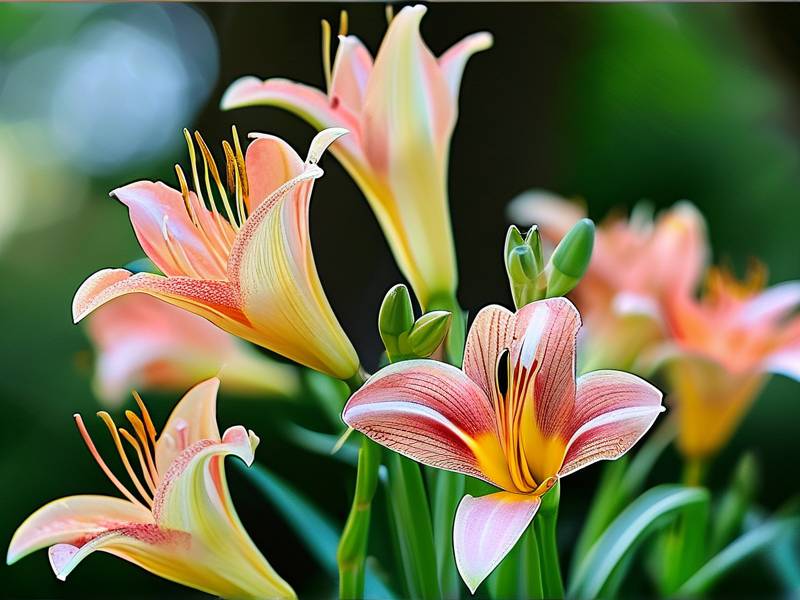
Week 1 – Day 1: I applied a granular slow-release fertilizer with an N-P-K ratio of 10-20-20. I mixed it into the top inch of soil around each stem. Not too deep, because lily roots are shallow. I used about a tablespoon per plant. I gave them a light watering right after to help the granules start breaking down.
Week 1 – Day 7: I noticed the stems looked thicker. Not dramatically so, but compared to the pot I didn’t fertilize, the difference was visible. The leaves were a deeper green. Honestly, I was surprised how fast the response was. I also sprayed a liquid seaweed solution on the leaves, just a once-a-week foliar feed. That seemed to boost the root activity.
Week 2 – Day 14: Here’s where it got interesting. The fertilized lilies grew about 4 inches taller in two weeks. The stems were sturdier. The unfertilized ones? They looked a bit pale and leggy. That confirmed my belief. A phosphorus-heavy fertilizer is key. I also noticed fewer yellow leaves on the fertilized plants. Trust me, I’ve had plenty of yellow leaves in the past, and it always pointed to a nutrient imbalance.
3 Deadly Mistakes Beginners Make with Lily Fertilizer
I’ve made every mistake in the book. I’m sharing these so you don’t have to repeat my failures.
Mistake 1: Overwatering After Fertilizing
I cannot stress this enough. 90% of indoor plants die from overwatering, and lily bulbs rot easily in soggy soil. I once fertilized my lilies and then, thinking I was helping, watered them every day for a week. The bulbs turned to mush. The leaves went yellow and droopy. I lost the whole pot. The fix: Water deeply only after applying dry fertilizer, then wait until the top inch of soil is dry before watering again. Lilies like consistent moisture, not a flood.
Mistake 2: Growing Lilies in Wrong Light
Light is everything for lilies. I once put a pot of Oriental lilies in a shaded corner of my porch. They grew, but they were spindly. The stems were weak and couldn’t support the blooms. I threw in fertilizer, but it didn’t help. The real problem was lack of sun. The fix: Place your lilies where they get at least 6 hours of direct sunlight a day. Morning sun is best, with some afternoon shade in hot climates. Without proper light, even the best fertilizer for lilies to grow tall won’t save you.
Mistake 3: Using the Wrong Pot Size
I tried growing lilies in a small 6-inch pot once. The roots ran out of space fast. The plant got stressed, and when I added fertilizer, it just burned the roots because there wasn’t enough soil to buffer it. The leaves turned brown at the tips. Classic sign. The fix: Use a pot that’s at least 10-12 inches deep and wide. Lilies need deep soil for their root systems and bulbs to expand. A bigger pot also helps with drainage, which stops root rot. I now use terra cotta pots for better airflow.
What Works Best: My Top Fertilizer Choices for Tall Lilies
After all the trial and error, I’ve narrowed down my favorites. The best fertilizer for lilies to grow tall has three things: low nitrogen, high phosphorus, and slow release.
1. Granular Slow-Release with 5-10-10 or 10-20-20
This is what I use most. It’s easy to apply at the start of the season. I mix it into the soil when I plant new bulbs. It feeds them slowly over weeks. I’ve seen consistent results with this. Brands like Bonide or Espoma work well. Just avoid anything with high first number nitrogen, like 20-10-10, because that pushes leaf growth at the expense of flower stems.
2. Liquid Fish Emulsion
I use this as a booster. Once a month during the growing season, I dilute it to half strength. It smells a bit, but lilies love it. It provides trace minerals. I spray it on the soil, not the leaves, to avoid fungal spots. Many orchid growers swear by it too.
3. Bone Meal
This is an old-school trick. Bone meal is high in phosphorus. I mix a handful into the planting hole for each bulb. It promotes strong root systems. But careful: it can attract animals. I only use it in pots, not in the ground. For containers, it’s a solid choice as a phosphorus booster.
When to Fertilize Lilies for Maximum Height
Timing matters a lot. I used to fertilize randomly and wondered why results were hit or miss. Here’s my two-week schedule after trial runs.
- At planting time: Mix a slow-release granular fertilizer into the soil. This supports early root growth.
- When shoots emerge: Apply another dose. This is when the stem is forming. A phosphorus boost here really helps with tall, sturdy stalks.
- When buds appear: This is the final feed. Use a low-nitrogen liquid feed. After blooms open, stop fertilizing. Lilies need to rest.
What not to do: Don’t fertilize in winter or late fall. Lilies go dormant. Feeding them then is useless and can burn the resting bulbs.
Common Mistakes People Make After Getting the Right Fertilizer
Even with the best fertilizer for lilies to grow tall, things can go sideways. I’ve seen friends struggle with these extra issues.
Ignoring soil pH: Lilies like slightly acidic soil, around pH 6.0 to 6.5. If your soil is too alkaline, nutrients lock up. Your fertilizer won’t be absorbed. I use a simple test kit from a garden store. If the pH is off, I add sulfur or peat moss.
Using too much fertilizer: More is not better. I once doubled the dose on a pot, thinking it would grow twice as fast. It didn’t. The leaves turned yellow, and the stems got soft. That’s fertilizer burn. Stick to package instructions. Lilies are moderate feeders.
Forgetting about mulch: Mulch helps keep soil temperature stable and retains moisture. I use a thin layer of wood chips around the base. It also prevents weed roots from competing with the lilies for nutrients.
Expert Support: What RHS and AHS Say
To be thorough, I checked what the pros say. The Royal Horticultural Society on RHS recommends using a balanced feed like 7-7-7 for lilies, but emphasizes that phosphorus is crucial when they are establishing bulbs. They suggest bone meal as an organic option.
The American Horticultural Society at AHS backs this up with research on bulb nutrition. They note that high phosphorus fertilizers improve stem rigidity, which is directly linked to taller growth. Both organizations agree that over-nitrogen feeding makes lilies weak and more prone to disease.
Troubleshooting: What If Your Lilies Still Won’t Grow Tall?
Sometimes you do everything right, and the plant still disappoints. Here’s what I check.
Root bound: If the pot is too small, roots can’t expand. Repot into a larger container. I learned this the hard way when my second lily pot stopped growing.
Pests: Aphids and spider mites can stress plants. I use a neem oil spray. It doesn’t affect the fertilizer’s effectiveness.
Old bulbs: Bulbs lose vigor after 2-3 years. Sometimes you need fresh bulbs. I replace mine every 3 years to keep yields high.
3 Common FAQ About Lily Fertilizer
1. Can I use rose fertilizer on lilies?
Yes, but check the ratio. Many rose fertilizers have a high middle number phosphorus, like 10-18-10. That actually works well for lilies because it focuses on flowers and stems. I’ve used rose feeds with no issues.
2. How often should I water after fertilizing?
Water right after applying dry fertilizer to activate it. After that, let the soil dry out a bit between waterings. Overwatering leads to root rot. I check the soil with my finger about 2 inches deep. If it’s dry, I water.
3. Do lilies need fertilizer in winter?
No. Lilies go dormant in winter. Fertilizer sits unused and can build up salts that damage bulbs. Stop feeding by early fall. Resume when you see spring shoots.
Bringing It All Together
Finding the best fertilizer for lilies to grow tall wasn’t a straight path for me. I started with high-nitrogen products, thinking they’d make everything bigger. They gave me leaves, not stems. I tried liquid feeds every week, and the roots got burned. I buried bone meal too deep, and it never reached the bulbs. But after learning from my dead plants, I settled on a simple formula: slow-release, low nitrogen, high phosphorus, applied at the right times.
My two-week test showed real results. The fertilized lilies were visibly taller, greener, and sturdier. The unfertilized ones? They looked like they needed a rescue. If you’re a beginner, start with a 10-20-20 granular feed and water lightly after applying. Don’t overcomplicate it. Check your light. Use a proper pot. And remember that patience matters. Lilies grow on their own timeline, but with the right food, they’ll reach for the sky.