bluename
 How to Care for Climbing Green Plants - Fast Climbing No Messiness Care Essentials
Tired of climbing plants that grow slowly, look sparse, or create a messy tangle of vines and fallen leaves? You dream of lush, vibrant greenery that climbs quickly and gracefully, without turning your space into a jungle of chaos. Achieving that perfect balance of vigorous growth and tidy elegance is simpler than you think. This guide delivers the essential fast climbing no messiness care essentials to transform your climbing plants into stunning, well-behaved focal points.
The secret lies in understanding that rapid growth and neat habits are two sides of the same coin. By providing optimal care tailored to fast-growing climbers, you encourage healthy, directed growth that minimizes mess. Let's dive into the core practices that make it happen.
Selecting the Right Fast-Growing, Low-Maintenance Climbers
Your journey to a beautiful vertical garden starts with smart plant selection. Not all climbers are created equal. For fast growth with minimal mess, focus on species known for their manageable foliage and adaptable nature.
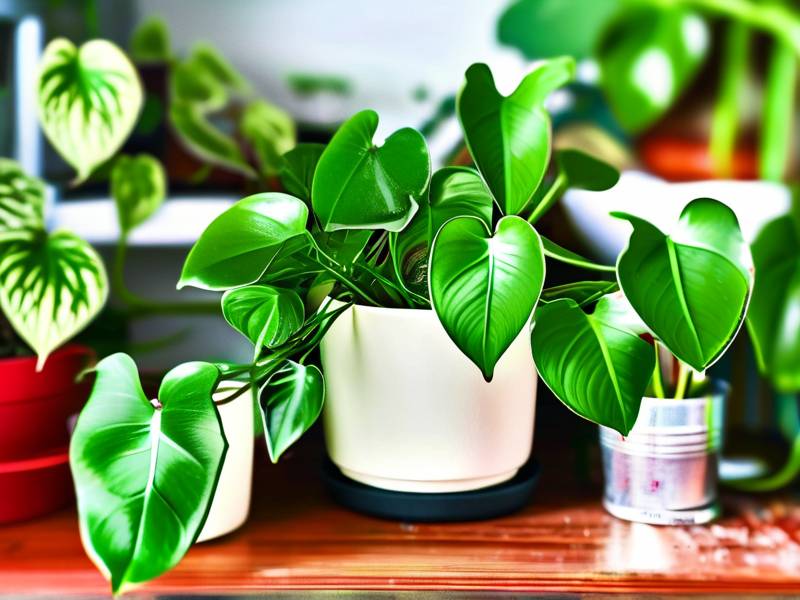
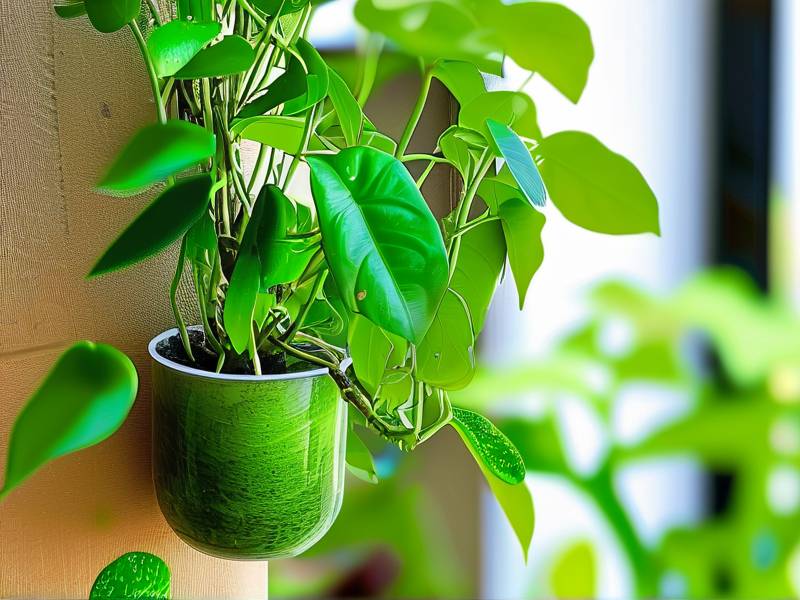
Pothos (Epipremnum aureum) is a champion in this category. Its heart-shaped leaves grow rapidly in various light conditions, and it rarely sheds leaves haphazardly. You can easily guide its vines along supports for a clean, cascading effect.
Philodendron Heartleaf (Philodendron hederaceum) is another excellent choice. It's incredibly forgiving and fast-growing, with vines that can be neatly trained. Its smaller leaf size compared to some monsteras makes for a less "heavy" and more controllable appearance.
For a flowering option, consider the Black-Eyed Susan Vine (Thunbergia alata). It grows quickly from seed or starter plants, producing cheerful blooms. Its annual nature in many climates means you can enjoy its rapid coverage without long-term commitment, reducing potential for overgrowth mess.
The Foundation: Perfecting Light, Water, and Soil for Rapid Growth
Fast growth demands a strong foundation. Getting these three elements right is the most critical step in your climbing green plant care routine.
Light: The Energy for Ascent
Climbing plants need ample light to fuel their upward journey. However, "bright light" doesn't always mean direct, scorching sun.
Most fast-growing indoor climbers, like pothos and philodendron, thrive in bright, indirect light. A spot near an east or west-facing window is ideal. According to the Royal Horticultural Society (RHS), providing sufficient light ensures compact internodes (the spaces between leaves), leading to a fuller, less "leggy" and straggly plant. A leggy plant, stretching for light, often appears messy and sparse.
If your light is low, growth will slow. Supplement with a grow light to maintain that vigorous, tidy growth habit.
Watering: Consistency is Key
Erratic watering is a prime cause of messiness—think yellowing leaves, sudden leaf drop, and stunted growth. The goal is consistent moisture, not extremes.
The American Horticultural Society (AHA) emphasizes the "soak and dry" method for many tropical climbers. Water thoroughly until it runs from the drainage holes, then allow the top inch or two of soil to dry out before watering again. This encourages strong root growth to support fast climbing. A moisture meter can remove the guesswork, preventing overwatering (a common source of plant death and mess) and underwatering (which causes wilt and leaf loss).
Soil and Potting: The Support System
Fast-growing climbers need a well-draining, aerated potting mix that retains some moisture. A standard houseplant mix amended with perlite or orchid bark works perfectly. This prevents waterlogging, which leads to root rot and a cascade of dying, messy foliage.
Pot choice matters. Ensure your pot has drainage holes. As the plant grows, you may need to repot every 1-2 years to prevent it from becoming root-bound, which can halt growth and cause decline.
Training and Support: Your Guide to a Tidy Display
This is where no messiness care truly comes into play. A fast-growing plant without guidance becomes a mess. With support, it becomes living art.
Choose the Right Support
Moss poles, coir totems, trellises, or simple hooks on the wall allow your plant to climb as it would in nature. Moss poles are particularly effective for aerial root climbers like philodendrons, as the roots attach to the pole, creating an incredibly stable and neat column of foliage.
The Art of Training
Gently tie new vines to the support using soft plant ties, velcro tape, or even old nylon stockings. Avoid wire that can cut into stems. Regularly check growth and redirect wayward vines. Weaving long vines back into the support creates a denser, more luxurious look. Don't be afraid to gently prune the very tip of a vine to encourage branching, which results in a bushier, less stringy plant.
Pruning and Maintenance: The Secret to Controlled Lushness
Pruning is not your enemy; it's your best tool for encouraging fast, bushy growth and preventing a messy, overgrown appearance.
Strategic Pruning for Fullness
Regularly pinch or snip off the very end of a vine (the apical meristem). This signals the plant to grow new shoots from nodes further back, creating a fuller plant with more climbing points. Use clean, sharp scissors.
Remove the Unruly
Don't hesitate to prune away any vines that are too long, leggy, or growing in an undesirable direction. You can propagate these cuttings in water to create new plants! Also, promptly remove any yellow or damaged leaves. This keeps the plant looking its best and directs all its energy into healthy new growth.
Feeding for Speed: Fertilizer Fundamentals
A fast-climbing plant is a hungry plant. It uses significant nutrients to produce new stems and leaves.
During the active growing season (spring and summer), feed your climber with a balanced, water-soluble fertilizer (like a 10-10-10 or 20-20-20 formula) every 4-6 weeks. Dilute it to half the recommended strength to avoid fertilizer burn, which can damage roots and create a mess of burnt leaf tips.
In fall and winter, reduce or stop fertilizing as growth naturally slows. Over-fertilizing in dormancy leads to salt buildup in the soil and weak, spindly growth.
Troubleshooting Common Mess-Makers
Even with great care, issues can arise. Here’s how to tackle the messy problems head-on.
Yellowing Leaves: Often a sign of overwatering. Check your soil moisture and watering frequency. Could also be a natural shedding of older leaves—simply pluck them off.
Leggy, Sparse Growth: This is a clear cry for more light. Move your plant to a brighter location or add a grow light.
Pests (like spider mites or mealybugs): These can cause stippled, yellowing leaves and general decline. Isolate the plant. Wipe leaves with a damp cloth or use insecticidal soap or neem oil, focusing on the undersides of leaves. Healthy, well-cared-for plants are more pest-resistant.
How often should I water my fast-growing climbing plant? There's no universal schedule. The best method is to check the soil. Insert your finger about 2 inches deep. If it feels dry, it's time for a thorough watering. In warmer, brighter months, this may be weekly; in winter, it could be every two weeks or less.
What is the best natural fertilizer for climbing plants? Compost tea or diluted fish emulsion are excellent organic options. They provide a gentle, broad spectrum of nutrients that support healthy soil and sustained growth. Remember to apply during the active growing season.
My climbing plant's vines are long but have no leaves at the base. What should I do? This is common. You can try "notching": make a small cut in the bare stem just above a node. This can stimulate that node to produce a new leafy vine. For a more dramatic solution, you can propagate the leafy top section and replant it back into the pot to fill the base, creating a fuller, tidier appearance from the soil up.