bluename
 How to Care for Phalaenopsis: Potting Mix Choice to Avoid Root Rot
There's a heartbreaking moment every orchid lover dreads. You notice your Phalaenopsis orchid's leaves turning yellow, becoming limp, or wrinkling. Upon closer inspection, the roots visible through the pot are brown, mushy, and smell unpleasant. You're likely facing the #1 killer of moth orchids: root rot. While overwatering is often blamed, the true culprit frequently lies beneath the surface, in the very material meant to support your plant. Choosing the wrong potting mix creates a suffocating, perpetually wet environment that strangles the orchid's roots. This guide will demystify the critical role of potting media in how to care for Phalaenopsis and provide a clear roadmap for selecting and maintaining the perfect mix to ensure robust root health and spectacular blooms.
Understanding the Phalaenopsis Root: Why Air is as Crucial as Water
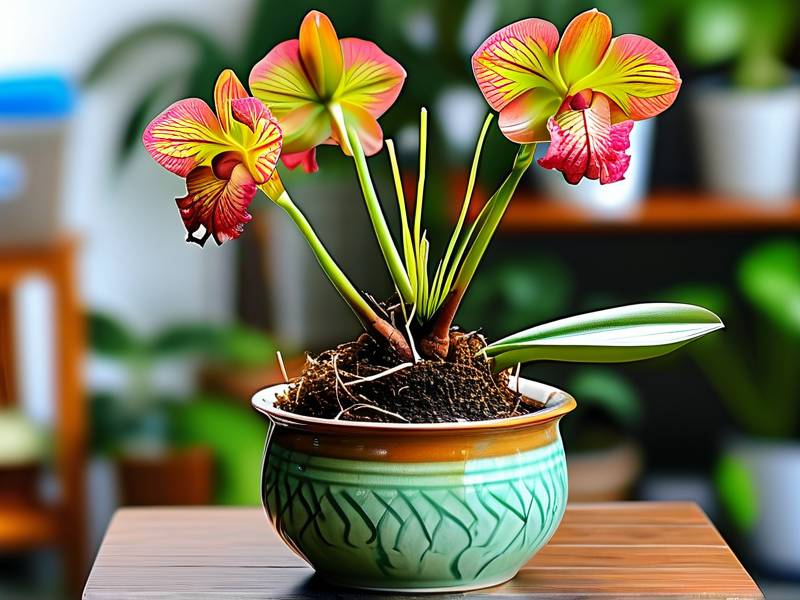
To choose the right potting mix, you must first understand what you're protecting. Phalaenopsis orchids are epiphytes. In their natural tropical habitats, they don't grow in soil. Instead, they anchor themselves to tree branches, with their thick, silvery-green roots exposed to air, rain, and quick-drying breezes.
These roots have a unique anatomy. They are covered by a spongy layer called velamen, which acts like a sponge to rapidly absorb water and nutrients when they are available. Crucially, the velamen also protects the inner root core and requires periods of dryness to breathe. When constantly wet, the velamen suffocates and decays, leading to root rot. Therefore, the primary function of a Phalaenopsis potting mix is not to provide nutrients (like soil does) but to provide physical support while mimicking the airy, quick-draining conditions of a tree branch.
The Great Potting Mix Showdown: Materials Breakdown
Not all potting media are created equal. Each component has specific properties affecting drainage, aeration, and moisture retention. Here’s a breakdown of the most common materials used in orchid potting media for root health.
- Sphagnum Moss: Often used for its high moisture retention and neat appearance.
- Pros: Excellent for humidity, ideal for drier climates or for growers who tend to underwater. It's often used for mounting or in seedling mixes.
- Cons: Can compact over time, retaining too much water and reducing aeration. It requires careful watering discipline and more frequent replacement. The American Orchid Society (AOS) notes that while effective, sphagnum demands more precise watering control to prevent rot.
- Fir or Pine Bark: The most popular base for Phalaenopsis mixes, typically from aged, ground tree bark.
- Pros: Provides excellent air pockets, drains quickly, and breaks down slowly. It closely mimics the orchid's natural substrate. As it decomposes, it provides minimal, gentle acidity.
- Cons: Can dry out quickly in hot, arid environments. Quality varies; cheap bark may contain harmful resins or decompose too rapidly.
- Coconut Husk Chips (Coco Chips): A sustainable alternative to bark, made from processed coconut husks.
- Pros: Retains moisture more evenly than bark while still maintaining good aeration. Resists compaction and decomposition longer than some barks.
- Cons: Can retain salts from processing, requiring thorough soaking before use. Quality control is essential.
- Horticultural Charcoal: Not the same as barbecue charcoal! This is a porous, inert material.
- Pros: Improves drainage, helps absorb impurities and toxins, and prevents the mix from becoming sour. It adds beneficial air space.
- Cons: Used as an additive (usually 10-20% of the mix), not a primary component.
- Perlite and Lava Rock: Inorganic, lightweight additives that will never decompose.
- Pros: Create permanent air pockets, improve drainage dramatically, and add weight to stabilize top-heavy plants. They help prevent compaction.
- Cons: Perlite can float to the top with watering. Lava rock can be abrasive to roots if not rounded.
Crafting and Choosing Your Ideal Anti-Rot Mix
There is no single "perfect" mix, as your local climate, home environment, and watering habits are key factors. The goal is to balance moisture retention with aeration.
- For Humid Environments or Cautious Waterers: Use a mix that drains very quickly. A classic recipe is 80% medium-grade fir bark mixed with 10% horticultural charcoal and 10% perlite or lava rock. This combination prioritizes airflow and fast drying.
- For Dry/Arid Climates or Forgetful Waterers: You need a mix that holds moisture a bit longer. A 50/50 blend of fir bark and coconut husk chips, with a handful of charcoal works well. You can also use a higher-grade, moisture-retentive sphagnum moss, but pot in a slotted container and let it dry almost completely between waterings.
- The Ready-Made Solution: Many high-quality commercial orchid mixes are excellent. Look for brands that list their ingredients clearly. A mix labeled for Phalaenopsis or Cattleya orchids, containing primarily bark, charcoal, and perlite, is a safe bet. Avoid any mix that looks like dense soil or feels like peat.
Experts from the Royal Horticultural Society (RHS) emphasize that the container is part of the system. Always use a pot with ample drainage holes—clear plastic pots are ideal for beginners as they allow you to monitor root health and moisture levels without disturbing the plant.
Step-by-Step: Repotting Your Phalaenopsis for Healthy Roots
Even the best mix needs proper application. Repotting is a critical skill to prevent orchid root rot.
- Timing: The best time is after flowering, or when you see new roots emerging (usually with a green tip). This is typically in spring or early summer.
- Preparation: Soak your new potting mix (especially bark or coco chips) overnight. This ensures it will absorb water readily later. Have your clean pot, sterilized scissors or pruners, and plant ready.
- Root Inspection: Gently remove the orchid from its old pot. Carefully shake off the old media. Rinse the roots under lukewarm water to see them clearly.
- The Surgery: Using sterilized tools, cut away any rotten roots. Healthy roots are firm and can be white, silvery, or green when wet. Rotten roots are brown/black, mushy, and often hollow. Cut back to healthy tissue.
- Potting: Place the plant in the new pot, positioning it so the base of the lowest leaf is just below the pot's rim. Gently fill in around the roots with your new mix, tapping the pot to settle it. Don't pack it tightly—the goal is support, not compaction.
- Aftercare: Wait 5-7 days before the first watering to allow any root cuts to callus over. Place the plant in a shaded, humid spot for a few weeks to recover, then resume normal care.
Maintenance: Keeping Your Mix Healthy Long-Term
Potting media decomposes over time, especially organic components like bark. As it breaks down, it becomes finer, compacts, and loses the vital air pockets. This is a leading cause of root rot in otherwise well-cared-for plants. A good rule of thumb is to repot your Phalaenopsis every 1-2 years, even if it's not outgrowing its pot, simply to refresh the media. Signs you need to repot include: the mix staying soggy for over a week, the media breaking down into dirt-like particles, or roots struggling to grow despite good care.
Why is the clear plastic pot often recommended for orchids? Clear plastic pots allow you to monitor root health and moisture levels without disturbing the plant. You can see when the roots turn from green (wet) to silvery (dry), which is the best indicator for when to water. You can also spot early signs of rot or pest issues before they affect the foliage.
Can I use regular potting soil for my Phalaenopsis? Absolutely not. Potting soil is designed to retain moisture and will suffocate orchid roots, leading to rapid rot. Phalaenopsis roots require an airy, chunky medium that allows water to flow through quickly while providing physical support.
How do I know if I'm watering correctly with my new mix? The "finger test" is reliable. Stick your finger about an inch into the mix. If it feels damp or cool, wait. Water only when it feels nearly dry. Alternatively, with a clear pot, water when the roots inside look silvery, not green. Always water thoroughly until it runs freely from the drainage holes, then let it drain completely.
Successfully caring for a Phalaenopsis orchid hinges on creating an environment where its roots can thrive. By understanding their need for air and choosing a potting mix that provides support without suffocation, you move from fighting root rot to fostering resilience. Remember, a healthy root system is the invisible engine behind every vibrant leaf and breathtaking flower spike. Investing time in selecting and maintaining the right potting media is the most effective step you can take to ensure your moth orchid lives a long, healthy, and blooming life.