bluename
 How to Care for Cyclamen: Watering Tips to Prevent Bulb & Leaf Rot
There's nothing more disheartening than watching your vibrant cyclamen, with its elegant swept-back petals and beautifully marbled leaves, begin to falter. You followed the care instructions, placed it in a bright spot, yet suddenly, the leaves turn yellow, the stems feel mushy, and the once-proud flowers collapse. If this sounds familiar, you're likely facing the most common and fatal issue in cyclamen care: rot caused by improper watering. Mastering how to care for cyclamen, specifically its unique watering needs, is the single most important skill to ensure its long-term health and spectacular seasonal blooms. This guide will provide you with expert, step-by-step watering strategies to prevent bulb and leaf rot, transforming you from a worried plant owner into a confident cyclamen caretaker.
Understanding the Cyclamen's Unique Structure: The Key to Watering
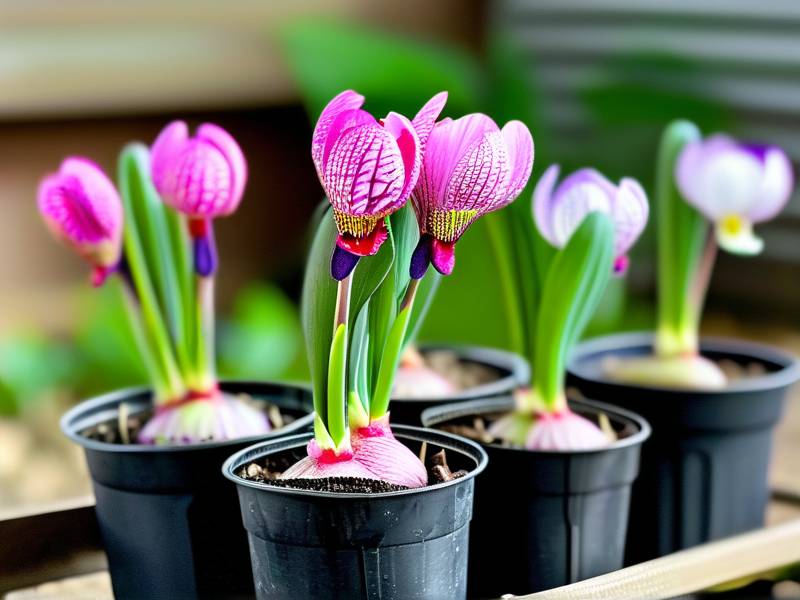
To water a cyclamen correctly, you must first understand what you're caring for. At the heart of the plant is a round, flattened tuber (often incorrectly called a bulb). This tuber is the plant's lifeline, storing water and nutrients. Crucially, the growth point—where all leaves and flower stems emerge—sits at the very top, center of this tuber. This crown is extremely susceptible to rot if kept constantly wet. Unlike plants that draw water from their roots, the cyclamen's tuber can easily succumb to excess moisture, making top-down watering its biggest enemy. The Royal Horticultural Society (RHS) explicitly warns against watering directly onto the crown, identifying it as a primary cause of tuber rot.
The Golden Rule: Bottom-Watering is Non-Negotiable
The absolute cornerstone of preventing rot is adopting the bottom-watering method. This technique delivers water directly to the roots while keeping the tuber and its crown perfectly dry.
Here is your step-by-step guide:
- Fill a sink, bowl, or tray with about 1-2 inches of tepid water. Avoid cold water, which can shock the roots.
- Place your cyclamen pot (with drainage holes—this is mandatory) into the water.
- Let the plant sit for 15-30 minutes. You will see the moisture wick up through the drainage holes, darkening the top of the potting mix.
- Once the surface feels slightly moist, remove the pot from the water.
- Place the pot on a draining rack or in an empty sink for another 15-20 minutes to allow all excess water to fully drain out. Never let the pot sit in a saucer of standing water.
This method ensures the tuber remains dry while the roots get the hydration they need. The American Horticultural Society's Plant Answer Line consistently recommends bottom-watering for cyclamen and other tuberous plants to prevent crown rot.
Decoding the "When": How to Tell Your Cyclamen is Thirsty
Watering on a fixed schedule (e.g., every Tuesday) is a recipe for disaster. Your cyclamen's water needs change with light, temperature, humidity, and its growth cycle. Instead, rely on these tactile and visual cues:
- The Weight Test: Lift the pot. A pot in need of water will feel surprisingly light. After watering, feel its weight again to learn the difference.
- The Finger Test: Gently insert your finger about an inch into the potting mix. If it feels dry, it's time to water. If it feels cool or moist, wait.
- The Plant's Signals: Slight drooping or softening of the flower stems and leaf stalks is a clear, early sign of thirst. It's better to water at this slight droop than on a schedule. However, chronic overwatering leads to yellowing, mushy leaves—a sign of rot, not thirst.
Seasonal Watering Adjustments: Active Growth vs. Dormancy
Your watering strategy must evolve with the plant's natural cycle.
- During Bloom (Fall to Spring): This is the active growth period. The plant is using more water to support its flowers and leaves. Check moisture levels more frequently, typically every 4-7 days, using the tests above.
- Entering Dormancy (Late Spring/Summer): As temperatures rise, leaves will yellow and die back. This is normal. Drastically reduce watering. Your goal is to keep the tuber from shriveling completely, not to support growth. Water only sparingly—a small amount around the edge of the pot once every 3-4 weeks, just enough to prevent the tuber from desiccating. The RHS advises keeping the tuber almost dry during this rest period.
The Supporting Cast: Pot, Soil, and Environment
Watering doesn't happen in a vacuum. These three factors are critical partners in your anti-rot campaign.
- The Right Pot: Always use a pot with multiple, large drainage holes. Terracotta pots are excellent as they are porous, allowing the potting mix to dry more evenly from the sides.
- The Right Soil: A well-draining, airy potting mix is essential. A standard potting mix amended with perlite, coarse sand, or orchid bark (about a 3:1 ratio) provides the perfect structure. This allows water to flow through quickly while providing support.
- The Right Environment: Place your cyclamen in bright, indirect light. Cool temperatures (60-68°F or 15-20°C) are ideal and reduce water evaporation stress. Good air circulation around the plant helps leaves dry quickly and discourages fungal pathogens.
Troubleshooting: Signs You're Off Track
- Yellowing, Mushy Leaves & Stems: This is the classic sign of overwatering and the onset of rot. Stop watering immediately. Check the tuber. If it's soft and squishy, it may be too late. If firm, remove the plant from its pot, gently brush away wet soil, and let the tuber and roots air-dry for a day before repotting in fresh, dry mix. Resume bottom-watering only when the mix is dry.
- Wilting with Dry Soil: This is underwatering. Soak the pot via bottom-watering immediately. It may recover, though some flowers or leaves may be lost.
- Gray Mold (Botrytis) on Leaves/Flowers: This fuzzy mold thrives in cool, wet conditions with poor air circulation. Remove affected parts, improve airflow, and avoid getting water on the foliage.
My cyclamen is drooping but the soil is wet. What's wrong? This is a critical warning sign of root or tuber rot. The roots are damaged and can't take up water, so the plant wilts even though the soil is moist. Immediately remove the plant from its pot to inspect the tuber. Cut away any soft, rotten parts with a sterile knife, let it dry, and repot in fresh, dry, well-draining mix. Water very sparingly until you see new growth.
Can I use ice cubes to water my cyclamen like I do with my orchids? No, this is not recommended. The concept of using ice cubes is debated even for orchids and is entirely unsuitable for cyclamen. The extreme cold from the ice can damage the sensitive roots and tuber, shocking the plant. Always use tepid water for bottom-watering.
How long should a potted cyclamen live? With proper care, particularly correct watering to prevent rot, a cyclamen tuber can live and re-bloom for many years—often decades. It will go through annual dormancy periods. The key to this longevity is protecting the tuber from rot through careful watering practices every single year.
Mastering the art of watering your cyclamen is a practice in observation and patience. By embracing the bottom-watering technique, learning to read your plant's unique signals, and providing the right supportive environment, you directly combat the leading cause of its demise. A healthy cyclamen tuber, kept dry at the crown and hydrated at the roots, rewards you with seasons of breathtaking, butterfly-like blooms. Your success lies not in a green thumb, but in understanding that sometimes, the best care means knowing precisely when and how to give a drink.