bluename
 How to Care for Schlumbergera - Graft on Cactus for Vigorous Growth & Blooms
Have you ever admired a friend's Schlumbergera, bursting with vibrant blooms while yours sits stubbornly green? You water it, give it light, yet it lacks the vigor and prolific flowering you desire. The secret to unlocking this potential often lies in a fascinating horticultural technique: grafting your Schlumbergera onto a cactus rootstock. This guide will walk you through the complete process of how to care for Schlumbergera - graft on cactus for vigorous growth & blooms, transforming your plant into a resilient, flowering powerhouse.
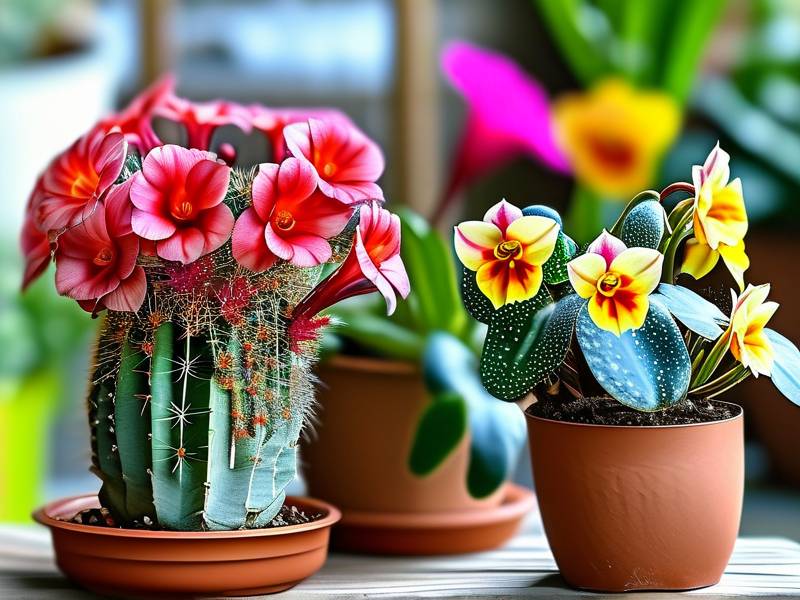
Grafting, the process of joining two plants so they grow as one, might sound advanced, but with the right guidance, it's an achievable project for dedicated plant enthusiasts. By marrying the stunning floral display of the Schlumbergera (often called Christmas or Holiday Cactus) with the robust, drought-tolerant root system of a suitable cactus, you create a superior plant. This union leverages the strengths of both, leading to accelerated growth, increased resistance to root rot, and most importantly, a dramatic boost in bloom production.
Understanding the Science and Benefits of Grafting
Why go through the effort? Grafting isn't just a trick; it's a strategic way to enhance your plant's performance. The cactus rootstock, typically a fast-growing species like Hylocereus (Dragon Fruit) or Pereskiopsis, acts as a powerful engine. Its vigorous root system is exceptionally efficient at water and nutrient uptake. This "supercharged" foundation then fuels the growth of the Schlumbergera scion (the top part you want to bloom).
According to principles often discussed in advanced horticultural circles, including those aligned with the Royal Horticultural Society (RHS) ethos, grafting can help overcome inherent weaknesses. Schlumbergera species, in their natural epiphytic habitat, have relatively fine root systems adapted to tree branches. In pots, they can be prone to overwatering issues. A compatible cactus rootstock provides a much more resilient and vigorous base, significantly reducing the risk of root rot—a common killer of holiday cacti.
The result? A plant that grows faster, recovers from stress more easily, and directs more energy into flower bud formation rather than just root maintenance. For the home grower, this translates to a lusher, fuller plant adorned with more flowers, more reliably.
Essential Tools and Materials You Will Need
Before you make the first cut, gathering the right tools is crucial for success. Sterility and precision are your best friends here.
- Rootstock Cactus: A healthy, young Hylocereus undatus (Dragon Fruit) stem is ideal. It's common, fast-growing, and highly compatible. Pereskiopsis is another excellent, rapid-choice for seedlings.
- Schlumbergera Scion: Select a healthy, green segment from your desired plant. A segment with 2-3 "leaf" pads is perfect.
- Sharp Blade: A sterile razor blade, scalpel, or very sharp grafting knife. Clean it with isopropyl alcohol before use.
- Grafting Clips or Support: Rubber bands, soft twine, or specialized grafting clips to hold the union firmly together.
- Rubbing Alcohol: For sterilizing your blade and work surface.
- Rooting Hormone (Optional): A powder or gel containing IAA or IBA can encourage callusing.
- Small Pots & Well-Draining Soil: For potting the rootstock and later, the finished graft.
A Step-by-Step Guide to Grafting Your Schlumbergera
Now, let's walk through the process. Work in a clean, well-lit area and take your time.
Preparing the Cactus Rootstock
Start with a healthy, actively growing Hylocereus stem. Using your sterilized blade, make a clean, horizontal cut near the top to remove the growing tip. Then, make two shallow, downward-angled cuts on each side of the central vascular bundle (the ring visible in the center) to create a slender "V" or wedge shape. This exposes the cambium layer, the critical zone where growth and healing occur.
Preparing the Schlumbergera Scion
Choose your best Schlumbergera segment. At its base, you'll need to craft a wedge that perfectly matches the cut on the rootstock. Trim the bottom pad into a sharp, thin wedge, ensuring the cut surfaces are clean and smooth. The goal is to maximize the contact area between the vascular tissues of both plants.
Joining the Scion and Rootstock
This is the moment of union. Quickly and carefully place the wedge of the Schlumbergera scion into the "V" notch on the cactus rootstock. Align them so the cambium layers overlap as much as possible. Do not let the cut surfaces dry out.
Securing the Graft
Immediately secure the joint with a grafting clip, or gently bind it with a rubber band. The pressure should be firm enough to hold everything in intimate contact but not so tight as to crush the tissues. This step is vital—any movement can break the delicate cellular connections trying to form.
Post-Graft Care and Healing
Place the newly grafted plant in a warm, bright location with indirect light. Avoid direct sun, which can dehydrate the scion before it heals. Do not water the soil for at least 7-10 days to prevent rot at the graft union. High humidity (around 70-80%) can be beneficial; you can tent a clear plastic bag over the plant, ensuring it doesn't touch the scion. The healing process, where the tissues knit together, typically takes 2-3 weeks.
Ongoing Care for Your Grafted Schlumbergera for Maximum Blooms
Once the graft has successfully taken—you'll see the Schlumbergera segment remain plump and may even show new growth—you can transition to long-term care. This regimen is designed to leverage the graft's advantages for vigorous growth and blooms.
Light and Temperature Requirements
Your grafted plant thrives in bright, filtered light. An east or north-facing window is excellent. Too much direct sun can scorch the segments. To trigger prolific blooming, it requires a period of long nights (12+ hours of darkness) and cooler temperatures (around 50-55°F / 10-13°C) for 6-8 weeks, typically starting in early fall. This mimics its natural flowering cycle.
Watering and Feeding Schedule
The cactus rootstock is drought-tolerant, but the Schlumbergera scion appreciates more moisture than a typical desert cactus. The key is the well-draining soil. Water thoroughly when the top inch of soil feels dry, and let excess water drain completely. Never let it sit in water. During active growth (spring/summer), feed every 4 weeks with a balanced, half-strength liquid fertilizer. Switch to a low-nitrogen, high-potassium fertilizer in late summer to fall to support bud development.
Soil and Potting Mix Formulation
A loose, airy, and acidic mix is paramount. A blend of 60% quality potting soil, 25% perlite, and 15% orchid bark or coconut coir works wonderfully. This ensures the vigorous roots of the rootstock get the oxygen they need while providing the slight moisture retention the scion prefers.
Pruning and Shaping for Optimal Growth
After the blooming period, you can lightly prune to encourage branching and a fuller shape. Simply twist off a segment or two at the joints. These can be rooted to create new plants! Regular pruning directs energy back into the plant, setting the stage for the next bloom cycle.
Troubleshooting Common Grafting and Care Issues
Even with care, challenges can arise. Here’s how to address them.
- Graft Failure: If the scion shrivels and falls off, the union failed. Causes include misaligned cambium, movement before healing, or infection. Re-sterilize and try again with fresh cuts.
- Root Rot in Rootstock: This is rare with a proper schedule but can happen from chronic overwatering. If the base becomes mushy, you may need to re-graft the scion onto a new, healthy rootstock.
- Lack of Flowering: If your graft is healthy but won't bloom, revisit light and temperature. Ensure it gets uninterrupted long nights and cooler temps in the fall. Even a small amount of artificial light at night can disrupt bud set.
Expert Insights for Superior Results
Many expert growers, whose practices reflect the high standards of organizations like the American Horticultural Society (AHS), emphasize patience and observation. Grafting is a skill that improves with practice. They also note that a successfully grafted Schlumbergera often exhibits a "leap" in growth rate in its second year, as the rootstock fully establishes. Monitoring your plant's response and adjusting care slightly is the mark of an attentive gardener.
Frequently Asked Questions
How long does it take for a grafted Schlumbergera to bloom? A successfully established graft can bloom in the same season it was made if the timing aligns with the natural flowering cycle. Typically, you can expect a robust display in the following year's bloom season, as the plant has had a full cycle to build strength.
Can I graft different types of Schlumbergera onto one rootstock? Yes, this is possible and can create a stunning "cocktail" cactus with multiple flower colors. The technique is the same; just ensure each scion is firmly secured to the rootstock. Be mindful that different varieties may have slightly different growth rates.
What is the best time of year to perform the grafting? The ideal time is during the active growing season, typically late spring through summer. Warm temperatures and longer days promote faster healing and callusing of the graft union, increasing the chances of success.
Grafting your Schlumbergera onto a cactus rootstock is a rewarding endeavor that elevates your plant care practice. It moves beyond basic maintenance into the realm of creative horticulture, yielding tangible results in the form of a tougher, faster-growing, and spectacularly blooming plant. By providing a vigorous root system, you remove a major limitation, allowing your holiday cactus to express its full flowering potential. With careful execution and dedicated aftercare, you can enjoy this unique and beautiful creation for many seasons to come.