bluename
 How to Care for Hyacinth: Soil Cultivation for Faster Bulb Rejuvenation
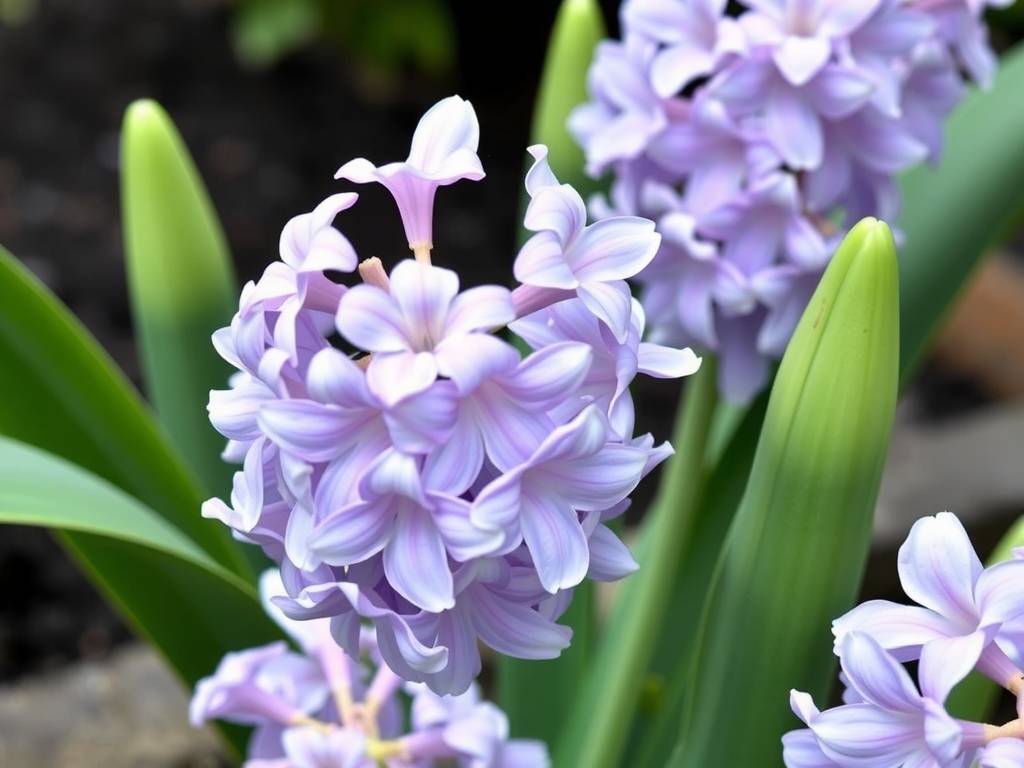
You’ve just enjoyed the spectacular, fragrant blooms of your hyacinth, but now the flowers have faded. What comes next? Many gardeners face the disappointment of a hyacinth bulb that fails to bloom again the following year. The common culprit? Improper post-bloom care that doesn’t effectively rejuvenate the bulb. The secret to consistent, vibrant blooms year after year lies not just in watering, but in mastering soil cultivation for faster bulb rejuvenation. This comprehensive guide will walk you through the exact soil strategies and care routines needed to strengthen your hyacinth bulbs, ensuring they store enough energy for a magnificent repeat performance.
Understanding the Hyacinth Bulb's Life Cycle
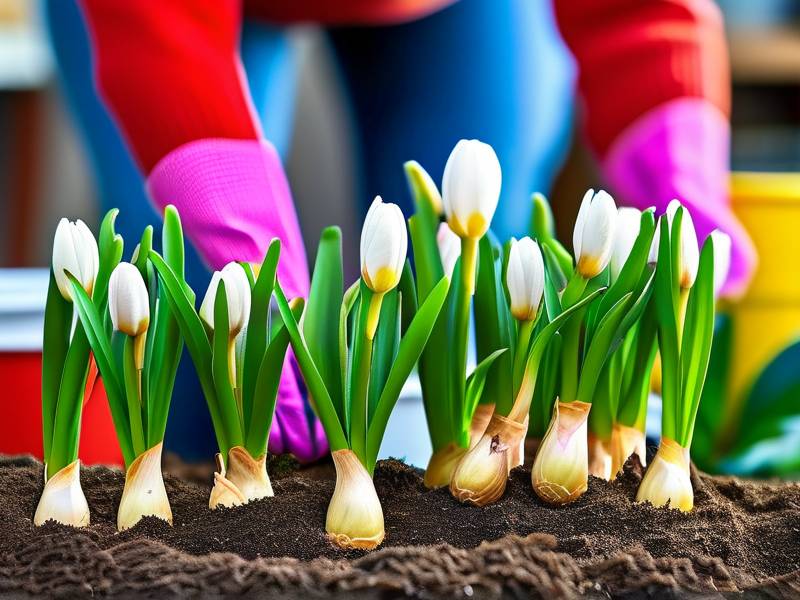
To care for your hyacinth effectively, you must first understand what’s happening beneath the soil. A hyacinth bulb is a self-contained storage organ. The energy for its stunning spring display is created by the leaves after flowering, not during. Once the blooms fade, the plant enters a critical rejuvenation phase. The foliage continues photosynthesis, producing carbohydrates that are transported down to the bulb for rejuvenation. This process replenishes the reserves used for flowering and initiates the formation of next year’s flower bud inside the bulb. If the leaves are cut back too early or conditions are poor, this cycle is interrupted, leading to a weak or "blind" (non-flowering) bulb next season.
The Critical Role of Soil in Bulb Rejuvenation
Soil is far more than just an anchor for your plants; it’s the life support system for faster bulb rejuvenation. The right soil environment directly influences moisture retention, nutrient availability, root health, and ultimately, how efficiently the bulb can recharge.
- Drainage is Paramount: Soggy soil is the number one enemy of dormant bulbs, leading to rot and fungal diseases. According to the American Horticultural Society (AHA), good drainage is essential for the health of all geophytes (plants with underground storage organs like bulbs). A well-cultivated soil allows excess water to escape while holding enough moisture for the roots.
- Nutrient Accessibility: After blooming, the bulb needs access to specific nutrients to rebuild itself. Phosphorus is vital for root development and energy transfer, while potassium improves overall vigor and disease resistance. Your soil must be able to provide and hold these nutrients.
Step-by-Step Guide: Post-Bloom Soil Cultivation for Rejuvenation
This is your actionable plan to leverage soil cultivation for faster bulb rejuvenation.
Phase 1: Post-Bloom Care in Pots or Garden Beds
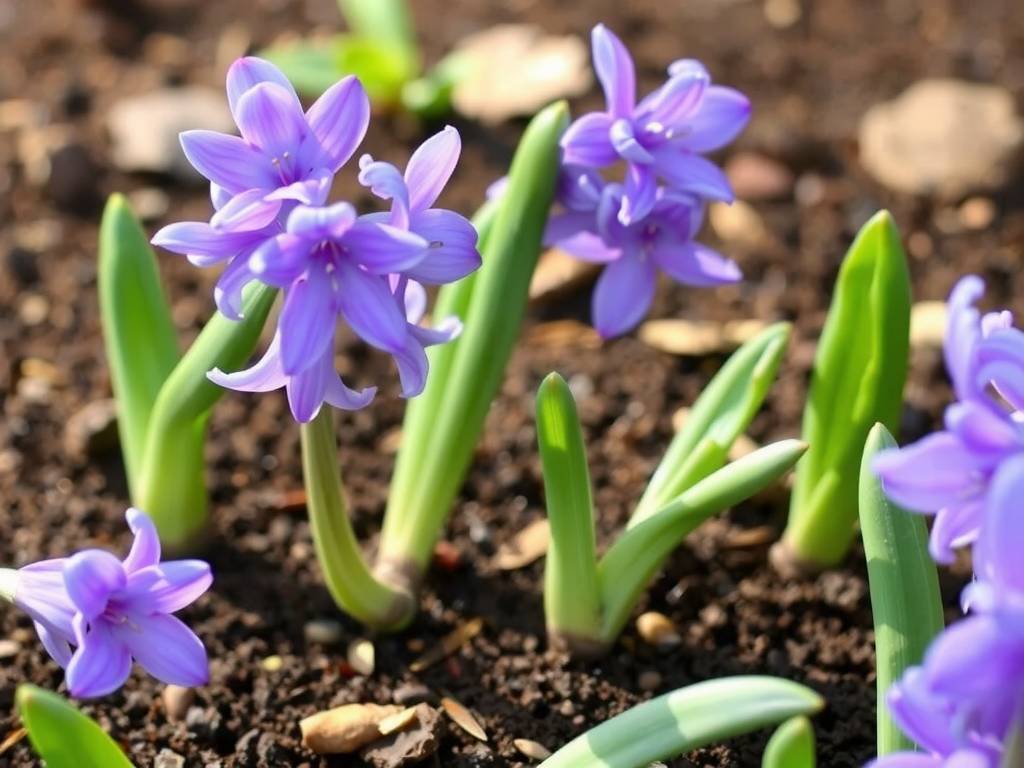
- Deadhead, But Leave the Foliage: Immediately after the flowers wither, snip off the spent flower stalk. This prevents seed production, which wastes the bulb’s energy. Critically, do NOT remove the green, strappy leaves. They are the solar panels for the rejuvenation process.
- Optimize the Soil Environment:
- For Potted Hyacinths: Continue watering the soil when the top inch feels dry. Apply a liquid fertilizer high in potassium (such as a tomato feed or a balanced 10-10-10 formula) every two weeks for about 6-8 weeks. This "feeding phase" directly supports the bulb's recovery through the soil.
- For Garden-Planted Hyacinths: Apply a granular, low-nitrogen bulb fertilizer or bone meal around the base of the plants, gently scratching it into the soil surface. Water it in well. Ensure the planting bed remains free of weeds that compete for soil resources.
Phase 2: The Dormancy Period and Soil Preparation
Once the leaves have turned completely yellow and died back naturally (usually by early summer), the bulb enters dormancy.
- Forced vs. Naturalized Bulbs: If you forced the bulb indoors in a pot, its energy is significantly depleted. The best chance for rejuvenating the bulb is to transplant it to the garden.
- Cultivating the Perfect Rejuvenation Site:
- Choose a Sunny Location: Select a spot with well-draining soil and full sun.
- Prepare the Soil: Dig a hole about 6 inches deep. Here, soil cultivation is key. Mix the excavated soil with a generous amount of compost or well-rotted manure to improve fertility and structure. Add a handful of horticultural grit or sand if your native soil is heavy clay to enhance drainage—a critical step for preventing rot during dormancy.
- Plant and Mark: Place the dormant bulb in the hole, cover it with your improved soil mix, and water lightly. Mark the location with a label or small stake so you don’t disturb it.
Phase 3: Long-Term Soil Management for Annual Rejuvenation
Treat your garden hyacinths as perennials. Each autumn, as a reminder to the bulbs, top-dress the soil above them with a fresh layer of compost and a sprinkle of bulb fertilizer. This replenishes nutrients and protects the bulbs from temperature extremes, creating an ideal environment for ongoing bulb health and rejuvenation.
Expert Insights for Optimal Results
The Royal Horticultural Society (RHS) emphasizes that "bulbs left in the ground from year to year will benefit from an annual feed in the autumn." This aligns perfectly with our goal of faster bulb rejuvenation through proactive soil management. Furthermore, research indicates that bulbs perform best in soil with a slightly acidic to neutral pH (6.0-7.0). A simple soil test can confirm your conditions, allowing you to amend the soil precisely for optimal nutrient uptake.
Troubleshooting: When Bulbs Don't Rejuvenate
Even with perfect care, sometimes bulbs underperform. Here’s what to check in your soil and practice:
- Foliage Removed Too Early: This is the most common error, starving the bulb.
- Poor Soil Drainage: Bulbs sitting in winter wet will rot. Improve soil structure with organic matter and grit.
- Lack of Nutrients: Depleted soil cannot support the rejuvenation process. Implement a consistent feeding schedule.
- Overcrowding: After a few years, bulbs multiply and become congested, competing for soil resources. Dig up clusters every 3-4 years in early summer, separate the bulbs, and replant them in freshly cultivated soil.
Can I reuse my potted hyacinth bulb for indoor forcing next year? It's possible but challenging. Forced bulbs expend immense energy. For the best chance, follow the garden-replanting method outlined above. It will take 1-2 years of soil cultivation in the garden to fully rejuvenate the bulb to a state strong enough for forcing again.
How deep should I plant hyacinth bulbs for optimal rejuvenation? Plant bulbs at a depth of about 4-6 inches (10-15 cm), measured from the base of the bulb. This depth provides insulation from temperature swings and encourages the development of a strong root system in the nutrient-rich zone of your cultivated soil.
My hyacinth produced smaller flowers this year. What does this mean? Smaller blooms are a classic sign that the bulb's energy reserves were not fully replenished during the last rejuvenation phase. This season, double down on post-bloom foliage care and soil feeding. Ensure the soil is fertile and well-drained to support a full recovery for a more impressive display next spring.
Caring for hyacinths beyond their first bloom is a rewarding practice that deepens your connection to the garden's cycles. By shifting your focus to the critical period after flowering and mastering the art of soil cultivation for faster bulb rejuvenation, you transform the bulb from a one-time wonder into a perennial source of joy. Remember, the work done through the green leaves and into the soil today is what writes the promise of tomorrow's fragrant, colorful spring. With patience and these targeted soil practices, you can enjoy the vibrant spectacle of your hyacinths for many seasons to come.