bluename
 How to Care for Tulip - Potted Care to Keep Stems Erect & Non-Lodging
There's nothing more disheartening for a gardener than watching your vibrant potted tulips, once standing tall and proud, begin to droop or lodge. You've nurtured the bulbs, waited for the green shoots, and finally been rewarded with colorful buds, only to see the stems bend under their own weight. This common frustration of weak, lodging stems is often a sign that the plant's needs aren't fully met in a container environment. Achieving strong, upright growth in potted tulips requires a specific approach, blending the right horticultural practices with an understanding of the plant's biology. This comprehensive guide will walk you through every step of potted tulip care, focusing on proven techniques to keep tulip stems erect and ensure your display remains stunning from bud to bloom.
Understanding Why Tulip Stems Lodge in Pots
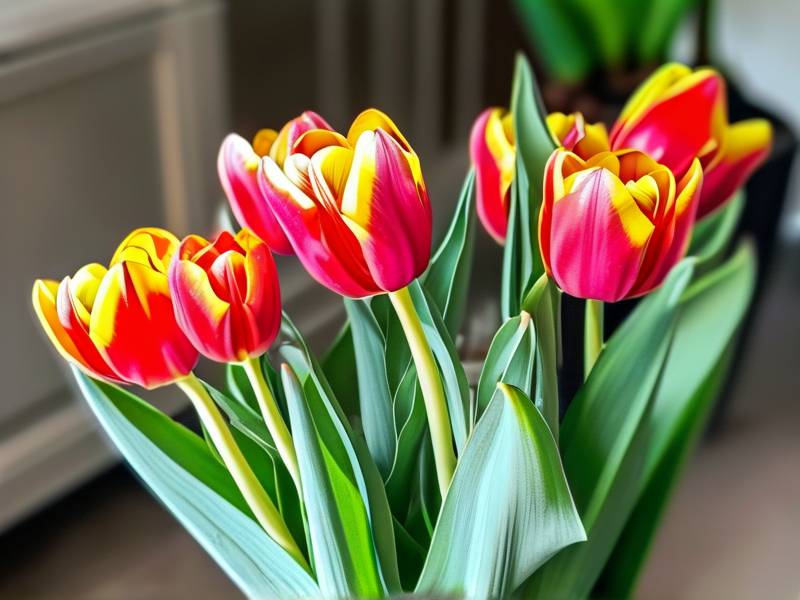
Before we fix the problem, it's crucial to understand it. Stem lodging—where the stem bends or falls over—isn't just an aesthetic issue; it can restrict water and nutrient flow to the flower and make the plant more susceptible to disease. In containers, the primary culprits are often interrelated.
Insufficient light is a major cause. Tulips are sun-loving plants. When grown indoors or in a shady spot, they will stretch and etiolate, searching for light. This rapid growth results in long, weak, and thin cell structures in the stem that simply cannot support the weight of the flower head.
Improper watering practices play a dual role. Overwatering leads to soggy soil, which can rot bulbs and damage roots. A compromised root system cannot anchor the plant firmly or uptake nutrients effectively. Underwatering, on the other hand, stresses the plant, leading to weak growth. Consistent moisture is key.
Inadequate nutrition, particularly a lack of key minerals, is critical. While tulips don't require heavy feeding, they do need a balanced supply. A deficiency in calcium, for instance, directly impacts cell wall strength. Potassium is vital for overall plant vigor and stem rigidity. As noted in several horticultural studies, potassium strengthens plant tissues and improves water regulation within the plant, directly combating weakness.
Finally, extreme temperature fluctuations, especially excessive heat, can cause rapid, soft growth that is prone to flopping. A cool, consistent environment promotes slower, stronger development.
Selecting the Right Bulbs and Pots: The Foundation of Strength
The journey to non-lodging tulips begins at the purchase point. Your choices here set the stage for everything that follows.
Choosing Robust Bulbs: Always select the largest, firmest bulbs you can find. Size matters—a bigger, heavier bulb contains more stored energy for strong stem and flower development. Avoid any bulbs that are soft, moldy, or show signs of damage. According to the American Horticultural Society (AHS), planting high-quality bulbs is the single most effective way to ensure a successful bloom. Look for varieties known for their strong stems. Darwin Hybrid tulips, for instance, are famously robust and excellent for potted culture. Some Triumph and Single Late varieties also exhibit good stem strength.
The Critical Role of Pot Selection: The container is not just a holder; it's an integral part of the plant's environment. Depth is non-negotiable. Choose a pot that is at least 12 inches deep and has a similar width. This depth allows for proper root development, which physically anchors the plant. More roots mean better stability and nutrient uptake. Drainage is equally vital. Your pot must have multiple, large drainage holes. Soggy soil is a death sentence for bulb health and stem integrity. Terracotta pots are excellent for their porosity, which helps soil dry evenly, while heavy ceramic or composite pots provide physical stability against wind.
The Perfect Planting Protocol for Stability
Proper planting technique encourages a strong root system and correct growth from the start.
- Create a Drainage Layer: Place an inch or two of coarse material like pottery shards, pebbles, or perlite at the bottom of the pot over the drainage holes. This prevents soil from washing out and keeps the holes clear.
- Use a Quality, Well-Draining Mix: Never use garden soil in containers. It compacts and drains poorly. Opt for a high-quality potting mix designed for containers. For extra drainage, you can mix in 25% perlite or coarse sand. Fill the pot about halfway.
- Plant at the Correct Depth and Spacing: Place the bulbs with their pointed ends up. The general rule is to plant bulbs at a depth three times their height. For most tulips, this means the base of the bulb should be about 6-8 inches below the soil surface in your deep pot. This deep planting encourages the stem to grow strong as it reaches for the light. Space bulbs about 2-3 inches apart, but not touching each other or the sides of the pot.
- Water Thoroughly at Planting: After covering the bulbs with soil and gently firming it, water the pot thoroughly until water runs freely from the bottom. This settles the soil and initiates root growth.
The Core Care Regimen: Water, Feed, and Light
Mastering the Watering Balance: The goal is consistently moist, never soggy, soil. After the initial watering, do not water again until you see green shoots emerging from the soil. Once growth is active, check the soil moisture by inserting your finger about an inch deep. Water only when it feels dry at that depth. A thorough, deep watering is better than frequent light sprinkles. Reduce watering once the flowers begin to fade and the leaves start yellowing.
Strategic Fertilization for Stem Strength: Nutrition is where you directly combat weak stems. At planting time, you can mix a slow-release, balanced bulb fertilizer (like a 9-9-6 formula) into the potting mix according to package directions. The more critical feeding for stem strength happens as the stem elongates. When the stem is about 2-3 inches tall, apply a liquid fertilizer that is higher in potassium (the third number, K) and contains calcium. A tomato or blossom-booster fertilizer (e.g., 5-10-10) is often a good choice. Potassium (K) is essential for preventing tulip stem lodging as it regulates internal water pressure (turgor) and strengthens cell walls. Calcium is a fundamental building block for plant cell structure. One or two applications of this liquid feed, spaced two weeks apart, can make a remarkable difference in stem thickness and rigidity.
Providing Optimal Light and Temperature: Immediately after planting, pots need a period of cold (35-48°F / 2-9°C) for 12-16 weeks to simulate winter and trigger root growth. This can be done in a dark garage, cold frame, or refrigerator (keep away from fruit). Once shoots are 1-2 inches tall, move the pot to a cool (50-60°F / 10-15°C), bright location. After a week, provide the strongest light possible—a sunny, south-facing window or a sheltered spot outdoors if temperatures allow. Cool temperatures are your ally; they slow growth, making stems denser and stronger. Avoid placing pots near heat vents or in hot, direct afternoon sun indoors, as this encourages soft, leggy growth.
Advanced Techniques and Troubleshooting
Physical Support Methods: For tall or heavy-flowered varieties, or if you notice early leaning, gentle staking is a smart preventative measure. Insert a thin, green bamboo stake into the soil near the stem, being careful to avoid the bulb. Use soft plant ties or twine in a figure-eight pattern to loosely secure the stem to the stake. The goal is support, not constriction.
Addressing Early Signs of Weakness: If stems are already bending, first assess light and water. Improve light exposure immediately. You can stake the stem as described above. For a group of tulips in a pot, creating a discreet "cage" with several stakes and a circle of twine around the perimeter can provide collective support.
Post-Bloom Care for Future Strength: To ensure your bulbs have energy for next year (if you're trying to perennialize them in pots), let the foliage die back naturally after blooming. Continue watering lightly until the leaves yellow. This process allows the plant to photosynthesize and store energy back in the bulb. Then, you can stop watering, remove the dead foliage, and store the dry pot in a cool place until the next planting season.
Can I use regular garden fertilizer for my potted tulips? While you can, it's not ideal. Garden fertilizers are often high in nitrogen (the first number), which promotes leafy growth at the expense of flowers and strong stems. For keeping tulip stems erect, a fertilizer with a higher potassium ratio is more effective. A balanced bulb fertilizer or a tomato fertilizer is a safer, targeted choice for container-grown tulips.
My tulip stems are thin and leggy even before blooming. What went wrong? This is almost certainly due to insufficient light during the early growth stage. Tulips that are kept in conditions that are too warm or too dark will engage in a rapid "search" for light, resulting in elongated, weak stems. For future plantings, ensure the pre-chilled bulbs are moved to a cool, very bright location as soon as shoots appear.
Is it too late to save my tulips if the stems have already flopped over? It's not too late to salvage the bloom. Gently stake the stem as described. While you cannot reverse the existing weakness, you can provide support so the flower can open properly. Ensure the plant gets adequate water and is moved away from heat sources. The flower may not be as perfect as if the stem had been strong from the start, but you can still enjoy its color.
Achieving a magnificent display of upright, non-lodging tulips in pots is a rewarding accomplishment that hinges on a few key principles. It starts with selecting quality bulbs and a deep, well-draining container. The planting depth is critical for encouraging a sturdy stem. Throughout the growth cycle, providing abundant cool light, careful watering, and targeted nutrition—specifically potassium and calcium—builds the cellular strength needed to hold the flower aloft. By understanding and meeting these needs, you transform the common challenge of drooping stems into a guarantee of vibrant, erect blooms that bring vertical elegance to your patio, balcony, or windowsill.