bluename
 How to Care for Orchids: Choosing a Breathable Medium to Prevent Root Rot
There's a heartbreaking moment every orchid enthusiast dreads: lifting your beloved plant from its pot to find mushy, brown, and foul-smelling roots. Root rot is the silent killer of orchids, often striking even when you feel you're following care instructions to the letter. The culprit is rarely just overwatering itself, but what happens after the water is applied. The secret to vibrant, long-lasting orchids isn't found just in a watering can or a fertilizer bottle; it lies beneath the surface, in the material that cradles the roots. The single most effective strategy to prevent orchid root rot is to master the use of a breathable orchid medium. This foundational choice creates an environment where roots can access the perfect balance of moisture and air, setting the stage for spectacular blooms and decades of growth.
Why Orchid Roots Are So Susceptible to Rot
To understand the solution, we must first understand the problem. Unlike most houseplants, the majority of popular orchids like Phalaenopsis, Cattleyas, and Dendrobiums are epiphytes. In their natural jungle habitats, they don't grow in soil. Instead, they anchor themselves to tree branches or rocks, with their roots exposed to moving air and frequent tropical rains that drain away almost instantly.
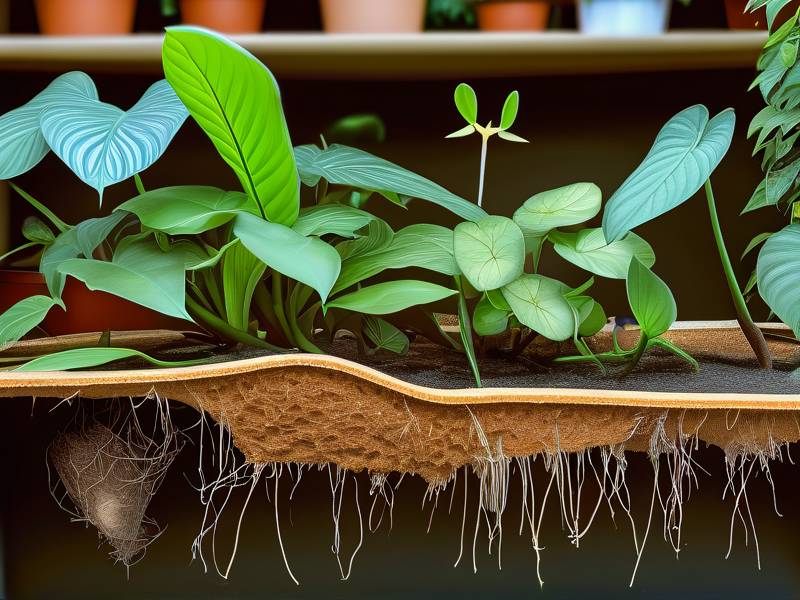
These aerial roots are covered in a spongy white layer called velamen. Its job is to rapidly absorb water and nutrients when they are available. However, it also requires rapid drying to allow the inner root core to breathe. When confined in a dense, water-retentive material like standard potting soil, the velamen stays wet for too long. It suffocates, breaks down, and becomes a gateway for fungal and bacterial pathogens. This is why a well-draining orchid mix isn't just a preference; it's a non-negotiable requirement for mimicking their natural ecosystem.
The Anatomy of a Breathable Orchid Potting Mix
A breathable medium isn't one single ingredient but a carefully engineered structure of chunky components. The goal is to create countless air pockets and channels while providing minimal, temporary moisture retention. Here are the champions of orchid media:
Fir or Pine Bark: The backbone of many mixes. These bark chunks are stable, slow to decompose, and provide excellent drainage and airflow around the roots. They hold a small amount of water on their surface, which is ideal for orchid roots to absorb.
Sphagnum Moss (Long-Fibered): A superstar for moisture management. High-quality moss can absorb many times its weight in water while remaining airy if not packed tightly. It's excellent for increasing humidity around the roots, making it a great choice for drier climates or for orchids that prefer more consistent moisture. The key is to use it loosely.
Horticultural Charcoal: This is not the same as barbecue charcoal. Horticultural charcoal is a purifying agent. It acts like a filter, absorbing impurities, toxins, and excess salts from fertilizer, which helps keep the root zone healthy. It also improves drainage and adds to the chunky structure.
Perlite and Lava Rock: These inorganic materials are all about aeration and structure. They don't break down, they don't absorb water internally, and their irregular shapes create permanent air spaces. They ensure the mix doesn't compact over time, a common issue with bark-based media as it ages.
Coconut Husk Chips (Coco Chips): A sustainable alternative to bark. They have similar water retention and drainage properties but are often more resistant to decomposition and salt buildup. They provide a consistent, porous environment for root growth.
A premium orchid potting medium will often blend several of these components. For example, a common and effective mix for Phalaenopsis orchids is 60% bark, 20% perlite, 15% charcoal, and 5% sphagnum moss. This combination expertly balances moisture and breathability.
How to Repot Your Orchid into a Breathable Medium
Repotting is your opportunity to reset your orchid's root environment. It should be done every 1-2 years, or when the medium has broken down and become sour.
Step 1: Gather Your Supplies. You will need your new breathable potting mix, a clean pot (preferably with ample drainage holes, like an orchid pot with side slits), sterilized pruning shears or scissors, and a workspace.
Step 2: Remove the Orchid and Inspect. Gently coax the orchid from its old pot. Carefully remove all the old medium from the roots under lukewarm running water. This is the critical diagnostic moment. Healthy roots are firm and can be white, silvery, or green. Rotten roots are mushy, brown/black, and often slough off a stringy central core. Dead roots are desiccated and papery.
Step 3: Perform Root Surgery. Using your sterilized tools, cut away all rotten and dead roots. Make clean cuts. This removes the decaying tissue that harbors disease. Dusting the cuts with cinnamon powder (a natural fungicide) or a commercial antifungal can help protect the fresh wounds.
Step 4: Choose the Right Pot Size. Select a pot that comfortably fits the remaining healthy root mass with just a little room for new growth. Orchids generally prefer being slightly underpotted. A pot that is too large will hold too much wet medium, defeating the purpose of your breathable mix.
Step 5: The Repotting Process. Place a few pieces of larger medium (like lava rock) in the bottom for drainage. Hold the orchid in the center of the pot at the correct height (the base of the lowest leaf should be just above the medium line). Gently fill in around the roots with your new mix, tapping the pot to settle the chunks. Do not pack it down. The goal is to support the plant, not bury it. The structure of the mix should hold the plant upright.
Step 6: The First Watering. After repotting, wait about 5-7 days before the first thorough watering. This allows any root wounds to callus over, reducing the risk of infection. Then, water as you normally would, allowing the water to flow freely through the new, open medium.
Watering in Harmony with Your Breathable Medium
A breathable medium changes your watering strategy. You will likely need to water more frequently than with a dense, soggy mix, but each watering will be far safer for the plant. The rule of thumb is simple: water only when the medium is almost dry. For a bark-heavy mix, this might be every 5-7 days. For a mossier mix, it might be every 7-10 days.
The best practice is the "skewer test": insert a wooden skewer into the center of the pot, leave it for a minute, and pull it out. If it feels cool and damp, wait. If it feels mostly dry, it's time to water. Always water thoroughly until water streams from the drainage holes, ensuring the velamen has a chance to fully hydrate. This mimics a tropical downpour.
Expert Insights on Medium and Root Health
The American Orchid Society (AOS), a leading authority in orchid cultivation, consistently emphasizes the critical role of potting media. They state, "The primary purpose of potting media is to give the roots anchor and to hold a small amount of moisture and nutrients around them. It must, above all, provide perfect drainage and aeration." This aligns perfectly with the goal of using a breathable orchid medium.
Furthermore, studies in horticultural science, such as those published in the Journal of the Japanese Society for Horticultural Science, have demonstrated that root zone aeration is a primary limiting factor for epiphytic orchid growth. Roots in well-aerated substrates show significantly higher rates of photosynthesis, nutrient uptake, and overall biomass compared to those in compacted, wet media.
Signs Your Current Medium is Failing
How do you know if it's time for a change, even before a scheduled repot? Watch for these red flags:
- The medium has broken down into a dense, soil-like mush at the bottom of the pot.
- It stays wet for 10 days or longer after watering.
- A musty or sour smell is emanating from the pot.
- New roots are reluctant to grow into the medium, preferring to stay in the air.
- Even with correct watering, leaves are becoming limp, wrinkled, or yellowing.
My orchid's roots are growing out of the pot. Is that bad? Not at all! These aerial roots are completely normal and a sign of a healthy plant exploring its environment. Do not cut them off. They are absorbing moisture and nutrients from the air. You can gently guide them back toward the pot or simply let them be.
Can I use regular potting soil if I add perlite to it? We strongly advise against it. Potting soil is fundamentally too fine and retains too much water, even with amendments. Its composition promotes compaction and suffocation of orchid roots. The specialized structure of a true orchid mix cannot be replicated by simply adding chunky material to soil.
How often should I completely change my orchid's potting mix? Most bark-based mixes break down and lose their airy structure within 18 to 24 months. Sphagnum moss may last 1 year before compacting. A good practice is to repot annually or biennially, or as soon as you notice the medium breaking down and no longer draining rapidly. Fresh medium ensures continued breathability and root health.
Mastering orchid care is a journey of understanding their unique language. By prioritizing a breathable, well-draining medium, you address the most common cause of failure at its root—literally. This single decision creates a resilient foundation, turning the delicate balance of watering from a guessing game into a manageable rhythm. When your orchid's roots are happily nestled in an airy, open environment that mimics their treetop home, you unlock their true potential. You'll be rewarded not just with survival, but with vigorous growth, robust root systems, and breathtaking, recurring blooms that are the ultimate sign of a truly thriving plant.