 bluename
 How to Care for Cymbidium Sinense - Winter Warmth for Smooth Blooming
You’ve nurtured your Cymbidium sinense, or Chinese cymbidium, all year, eagerly anticipating its elegant, fragrant winter blooms. Yet, as temperatures drop, you might find the flower spikes stalling, buds dropping, or the plant looking stressed instead of thriving. This common frustration stems from one critical factor: improper winter care. Unlike many orchids, Cymbidium sinense has specific needs during the colder months to transition smoothly into its spectacular blooming phase. Mastering the art of providing winter warmth is not just beneficial—it’s essential for unlocking those coveted, smooth-blooming flowers. This guide will walk you through the exact steps to create the ideal winter environment for your prized orchid.
Understanding the Cymbidium Sinense Winter Cycle
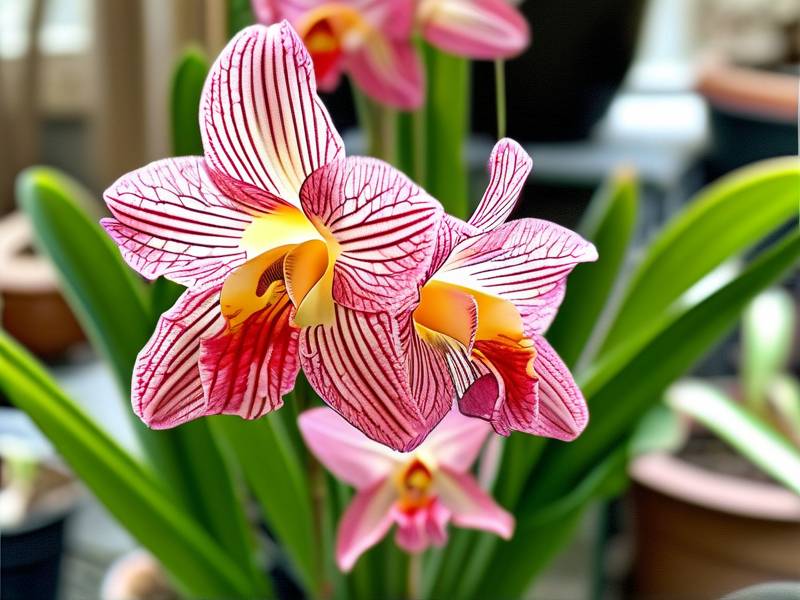
To care for your Cymbidium sinense effectively, you must first understand its natural rhythm. This orchid is a cool-grower that initiates flower spikes in response to the cooling temperatures of autumn. However, the subsequent winter period is not for dormancy but for a crucial developmental stage. The emerging spikes and forming buds are highly sensitive to extreme cold. Providing consistent, gentle warmth during this time protects this delicate reproductive growth, ensuring the spikes elongate properly and the buds mature without blast (sudden withering). It’s a balance—maintaining the cool-induced spike initiation while preventing damaging chills.
The Golden Rule: Optimal Temperature Ranges for Winter Warmth
Temperature is the single most important factor for winter care. The goal is to avoid extremes.
- Daytime Ideal Range: Aim for 60-75°F (15-24°C). This range provides sufficient warmth for photosynthesis and growth processes without being excessive.
- Nighttime Critical Range: This is where care is paramount. Protect your orchid from temperatures below 50°F (10°C). The ideal nighttime range is 55-65°F (13-18°C). According to the American Orchid Society, exposing cymbidium buds and spikes to temperatures near or below 40°F (4°C) for extended periods is a primary cause of bud drop and spike arrest.
- Avoiding Heat Stress: Conversely, do not place the plant near hot radiators, heating vents, or fireplaces. Sudden dry heat can desiccate buds and cause them to yellow and fall off prematurely. Consistency is key.
Strategic Placement Indoors for Maximum Protection
Where you place your Cymbidium sinense indoors directly impacts its microclimate.
- Bright, Indirect Light: A south or east-facing window is ideal. The winter sun is less intense, so maximizing light exposure supports spike strength and bud development. Ensure the leaves do not touch cold window glass, which can be significantly colder than the room air.
- Draft-Free Zone: Keep the plant away from drafty windows, exterior doors, and hallways. Cold drafts are a silent killer of developing flower spikes.
- Utilizing Microclimates: A well-lit bathroom can be excellent due to higher ambient humidity. A heated sunroom that cools at night perfectly mimics the natural temperature drop. Monitor these spaces with a minimum-maximum thermometer to ensure they stay within the safe range.
Mastering Winter Watering and Humidity
Watering needs shift dramatically in winter. Growth slows, so the plant uses less water.
- The "Dry-Down" Method: Allow the potting mix to become nearly dry throughout the pot before watering thoroughly. Insert a wooden skewer into the medium; if it comes out almost clean, it’s time to water. Overwatering in cool conditions is the fastest way to induce root rot.
- Water Temperature: Always use tepid or room-temperature water. Icing cold water from the tap can shock the roots, halting nutrient uptake precisely when the buds need it most.
- Humidity Management: Winter indoor air is notoriously dry. Aim for 40-50% humidity. Use a humidity tray (a shallow tray filled with pebbles and water, with the pot placed on top) or a room humidifier. Grouping plants together can also create a beneficial microclimate. Adequate humidity prevents bud blast and keeps leaf tips from browning.
Nutrition and Airflow: Supporting the Bloom
- Fertilizing for Flowers: Once flower spikes are visible, switch to a bloom-booster fertilizer with a higher phosphorus ratio (e.g., 10-30-20). Apply at half-strength every third or fourth watering. Cease fertilization once the first flower begins to open.
- Ensuring Gentle Air Movement: Stagnant air encourages fungal and bacterial diseases. Use a gentle ceiling fan on low or an oscillating fan placed away from the plant to ensure soft air circulation. This strengthens the plant and keeps the environment healthy.
Troubleshooting Common Winter Blooming Issues
- Bud Blast (Buds Dropping Before Opening): This is typically caused by a sudden environmental change—a cold draft, drastic temperature swing, underwatering, or excessively dry air. Review your placement and humidity practices.
- Spike Stunt (Spike Stops Growing): Often due to consistent temperatures that are too low or a significant nutrient deficiency. Check your nighttime temperatures and ensure you are using a appropriate fertilizer.
- Yellowing Leaves: Some older leaf yellowing is normal. Widespread yellowing can indicate overwatering, poor root health, or a severe lack of light.
My buds are turning yellow and falling off. What did I do wrong? This is classic bud blast, most commonly triggered by a sudden drop in temperature (like a cold draft), extremely dry air, or a drastic change in the plant's location after the spike has emerged. Ensure your plant is in a stable, draft-free environment with adequate humidity.
How often should I water my Cymbidium sinense in winter? There is no set schedule. Watering frequency depends on your home's temperature, light, and humidity. The reliable method is to check the potting medium's dryness. Water only when it is nearly dry throughout, which may be every 10-14 days or longer, depending on conditions. When you do water, do so thoroughly until water runs freely from the drainage holes.
Can I put my orchid outside on warm winter days? It is strongly not recommended. The plant acclimates to your indoor conditions. Moving it outside, even briefly, subjects it to unpredictable winds, temperature fluctuations, and potentially damaging direct sun, all of which can shock the plant and abort the blooming process. Consistency indoors is the safest path to success.
Providing the right winter warmth for your Cymbidium sinense transforms the blooming experience from uncertain to assured. By focusing on stable, cool-to-moderate temperatures, careful watering, and strategic placement, you actively support the plant’s natural cycle. This attentive care during the critical winter months shields the developing blooms from stress, paving the way for a graceful and prolonged display of flowers. Your reward will be a healthy, resilient orchid that delivers its magnificent winter fragrance and beauty, year after year.





