bluename
 How to Care for Guzmania - Extended Bloom Period No Fading Care Essentials
You’ve brought home a stunning Guzmania bromeliad, its vibrant, torch-like flower bract glowing like a jewel in your living space. For weeks, it’s been the centerpiece of your room. But now, you notice the first troubling signs. The edges of those brilliant reds, oranges, or pinks are beginning to look a little dull. A subtle fade is creeping in, and the fear sets in: is this spectacular bloom already on its way out? The heartbreak of a fading Guzmania bloom is a common pain point for indoor plant enthusiasts. The good news is that with precise, informed care, you can significantly extend that magnificent display and keep the colors vivid for months, not just weeks. This guide is your essential roadmap to mastering Guzmania care for extended bloom period, focusing on the non-negotiable practices that prevent premature fading and celebrate the full, glorious lifespan of this remarkable plant.
Understanding Your Guzmania’s Lifecycle
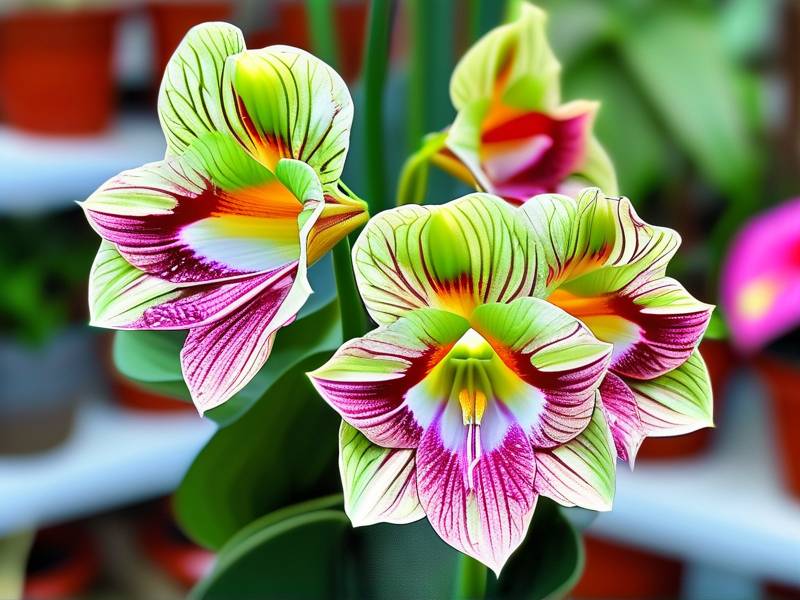
First, a crucial reality check brings empathy to your care journey. A Guzmania blooms once in its lifetime. The spectacular flower bract (which is often mistaken for the flower itself; the true flowers are tiny and emerge from between the bracts) is the plant’s grand finale. Our goal is not to make it bloom again, but to prolong this final, beautiful act for as long as possible—often for 4 to 6 months or more—before the plant naturally begins to decline and produce “pups” or offsets. This perspective shifts our focus entirely to preservation and maintenance.
The Core Pillars of No-Fade Guzmania Care
Achieving an extended, vibrant bloom hinges on four interconnected pillars: perfect light, strategic watering, balanced humidity and temperature, and mindful nutrition. Neglecting any one can accelerate fading.
Perfect, Indirect Light: The Color Keeper
Light is the single most important factor in preventing your Guzmania’s colors from washing out. Direct sunlight is the arch-nemesis of a vibrant bract. It acts like bleach, scorching the delicate tissues and causing rapid fading, crispy brown tips, and irreversible damage.
Your plant thrives in bright, filtered, or indirect light. An east-facing window is ideal, providing gentle morning sun. A north-facing window can also work well. If you only have a south or west exposure, place the plant several feet back from the window or use a sheer curtain to diffuse the intense rays. According to the American Horticultural Society’s light guide, plants like Guzmania fall squarely in the “Medium Light” or “Filtered Light” category, requiring protection from direct midday sun to maintain leaf integrity and color pigmentation.
Observe your plant. Leaves that are a lush, deep green with a glossy sheen and a firmly colored bract indicate perfect light. Stretching, leggy growth, or a darker, duller green color signals too little light, which can also shorten bloom life.
The Art of Watering: Not in the Soil, but in the Cup
Forget everything you know about watering other houseplants. Guzmania, as an epiphytic bromeliad, gathers moisture primarily through its central “tank” or “vase”—the cup formed by the rosette of leaves. This is the cornerstone of preventing Guzmania flower fade.
Always keep this central cup about one-quarter to one-half full of fresh water. Use distilled, rainwater, or filtered water at room temperature. Tap water, especially if it’s hard or heavily mineralized, can leave deposits on the leaves and bract, leading to unsightly spots and potential damage at the crown. Every 1-2 weeks, carefully tip the plant to flush out the old water from the cup, refilling it with fresh. This prevents stagnation and mosquito breeding.
What about the soil? The potting medium should be kept barely moist, not wet. Water the soil lightly only when the top inch feels completely dry to the touch. Over-saturating the soil is a leading cause of root rot, which will destabilize the entire plant and cause the bloom to collapse prematurely. The Royal Horticultural Society (RHS) emphasizes this dual-method watering for tank bromeliads, noting that the cup serves as the primary water reservoir while the roots primarily provide anchorage.
Climate Control: Humidity and Temperature
Guzmania are tropical natives. They crave humidity levels between 50-60%. Dry, arid air (common in heated or air-conditioned homes) can cause the bract tips to brown and the colors to lose their luster. To increase humidity:
- Group your Guzmania with other plants.
- Place it on a pebble tray filled with water (ensure the pot sits above the waterline).
- Use a room humidifier nearby. Avoid misting the flower bract directly, as water droplets can spot the colorful bracts.
Temperature stability is equally vital. Aim for a consistent range of 65°F to 80°F (18°C to 27°C). Protect your plant from cold drafts, air conditioning vents, and sudden temperature swings. Exposure to temperatures below 60°F (15°C) can shock the plant and trigger rapid bloom decline.
Minimal, Targeted Nutrition
A blooming Guzmania has low nutritional needs. In fact, over-fertilizing is a fast track to bract burn and fade. The goal is to provide gentle support, not force growth.
Use a diluted, balanced, water-soluble fertilizer (such as a 10-10-10 or 20-20-20 formula) at one-quarter strength. Apply this weak solution directly into the central cup every 4-6 weeks during the spring and summer. Do not fertilize in the fall and winter. Never pour fertilizer into dry soil or an empty cup, as this can concentrate salts and burn the plant. The American Bromeliad Society advises that feeding through the tank allows for more efficient uptake and mimics the way these plants receive nutrients in nature from decaying matter in their leaf axils.
Troubleshooting: Why Is My Guzmania Fading Early?
Even with good care, issues can arise. Here’s how to diagnose common problems:
- Bract Turning Brown or Pale at the Tips: Usually a sign of low humidity, underwatering of the cup, or exposure to dry, hot air.
- Overall Rapid Color Fade or Wash-Out: Almost certainly caused by too much direct sunlight.
- Bract or Base Becoming Mushy: A dire sign of overwatering in the soil leading to crown or root rot. The central cup may also have been left with stagnant water for too long.
- Leaves Losing Rigor, Plant Toppling: Often indicates root rot from consistently wet soil.
Post-Bloom Care: The Next Chapter
When the bract finally begins its inevitable fade—often starting from the tip downward—know that this is a natural process. You have successfully extended its life. At this point, you can cut away the spent flower stalk at its base to keep the plant looking tidy. Your focus now shifts to the plant’s future: the pups. These baby plants will form around the base of the mother plant, which will slowly die back. Continue caring for the mother plant (and its central cup) until the pups are about one-third the size of the parent. Then, you can carefully separate and pot them to begin the cycle anew, applying your expert care for another spectacular bloom in 2-3 years.
My Guzmania’s bloom is turning green. Is this normal? Yes, this is a common and natural part of the aging process for many Guzmania varieties. As the bract nears the end of its lifespan, the vibrant pigments (anthocyanins) break down, often revealing underlying green chlorophyll. It is not a sign of poor care but a biological cue that the bloom cycle is concluding.
Can I use ice cubes to water the central cup? It is not recommended. Ice cubes can place the sensitive leaf and root tissues under thermal shock, potentially damaging the plant. Using room-temperature water is a much safer and more effective method for prolonging Guzmania bloom color.
How do I clean the dust off the leaves without harming the bract? Gently wipe the long, strappy leaves with a soft, damp cloth. Support the leaf from underneath as you wipe. Avoid using leaf shine products. For the delicate flower bract, use a soft, dry makeup brush or a camera lens blower to dust it carefully. Avoid getting the bract wet.
Mastering the care for a Guzmania to extend its bloom is a lesson in precision and observation. By providing bright, indirect light, maintaining the central water cup, ensuring adequate humidity, and practicing restrained feeding, you create the ideal conditions for a marathon display of color. This approach transforms the fleeting beauty of the Guzmania into a lasting centerpiece, allowing you to enjoy the rewards of attentive, knowledgeable plant care for months on end.