bluename
 How to Care for Single-Stem Green Plants - Straight Stems No Tilting Care Methods
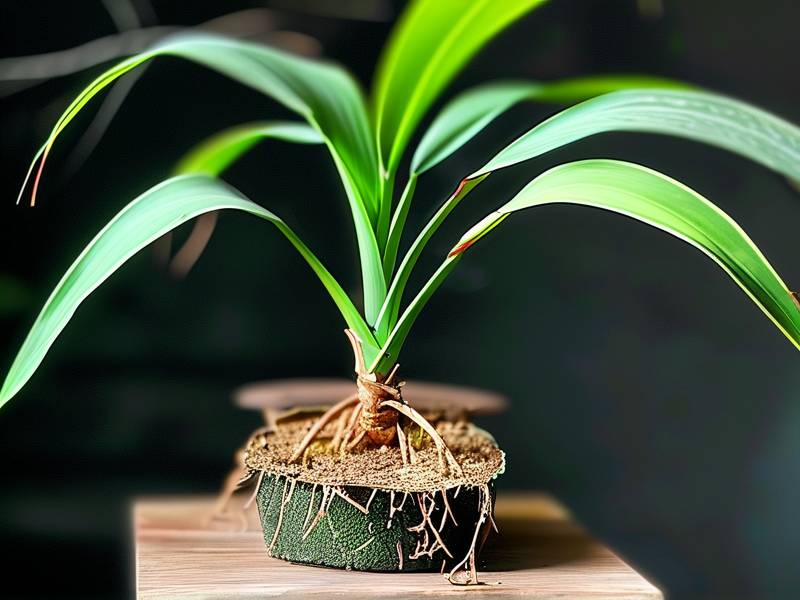
You've carefully chosen a stunning single-stem green plant for your space, envisioning its elegant, upright form. But over time, you notice it. A subtle lean. A slight bend. That perfectly straight silhouette you loved is now tilting, reaching awkwardly towards the light. This common frustration plagues many plant enthusiasts who adore the architectural beauty of plants like Dracaena, Snake Plants (Sansevieria), or certain Yucca varieties. The quest for maintaining those perfectly straight stems no tilting can feel elusive. But what if the leaning isn't just inevitable? What if it's a clear message from your plant about its needs? This comprehensive guide dives deep into the science and art of keeping your single-stemmed companion growing tall, proud, and perfectly vertical.
Understanding the "Why": Why Do Single Stems Start Tilting?
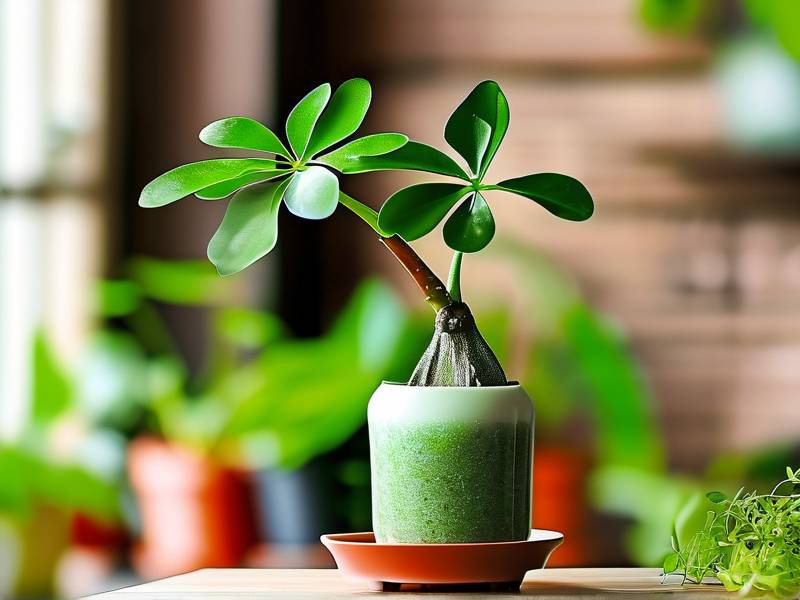
Before we fix the problem, we must diagnose it. A tilting stem is rarely random; it's a symptom. The primary culprits are uneven light exposure, improper watering habits, and physical instability.
Phototropism: The Light Chase Plants grow towards their light source, a process called phototropism. If your light comes predominantly from one window, your plant will literally bend over backwards to get more of it. This is the most common reason for a gradual, directional lean.
Watering Woes and Root Health Inconsistent watering can lead to root rot or underdeveloped roots. A weak, compromised root system simply cannot anchor a tall, heavy stem effectively. Furthermore, chronic overwatering in heavy soil creates a perpetually unstable, soggy base.
Physical Instability and Potting Issues Sometimes, the solution is straightforward. A pot that's too top-heavy or shallow for the plant's height, or soil that has become overly compacted, fails to provide the necessary physical support. The Royal Horticultural Society (RHS) notes that an inappropriate container size is a leading cause of physical instability in houseplants, often overlooked in favor of more complex diagnoses.
Essential Care for Straight, Upright Growth
Achieving straight stems no tilting is a holistic practice. It's not about one magic trick, but about harmonizing several core care principles.
Mastering the Light Equation Light is your most powerful tool for controlling growth direction.
- Find the Right Spot: Your plant needs bright, indirect light. A spot near an east or north-facing window is often ideal. South or west windows may require filtering with a sheer curtain to prevent scorching while providing ample ambient light.
- The Rotation Ritual: This is non-negotiable. Gently rotate your plant a quarter turn (about 90 degrees) every time you water it, or at least once every two weeks. This ensures all sides of the plant receive equal light, discouraging it from leaning toward one direction. Consistency is key.
- Supplemental Lighting: In low-light spaces, consider a full-spectrum LED grow light positioned directly above the plant. This provides an even, overhead light source that mimics the sun, encouraging perfectly vertical growth.
Watering for Strength, Not Just Survival Watering impacts stem rigidity and root strength.
- The "Soak and Dry" Method: Water thoroughly until it runs freely from the drainage holes, then allow the top 50-75% of the soil to dry out completely before watering again. This cycle encourages roots to grow deep and strong in search of moisture, creating a robust anchor system. The American Horticultural Society (AHS) advocates for this method, emphasizing that it promotes healthier root systems than frequent, shallow watering.
- Use the Right Tools: A moisture meter is a small investment that eliminates guesswork. It tells you exactly what's happening at the root level, helping you avoid the root rot that leads to a floppy, unstable plant.
Potting and Support: Creating a Stable Foundation The right home makes all the difference.
- Choosing the Correct Pot: Select a pot that is proportional to your plant. A good rule is that the pot's diameter should be about one-third to one-half the height of the plant. Ensure it has excellent drainage holes. A heavy, ceramic pot can provide more stability for a tall plant than a lightweight plastic one.
- The Perfect Soil Mix: Use a well-draining, aerated potting mix. For many single-stem plants, a standard indoor mix amended with perlite or orchid bark improves drainage and air flow to the roots, keeping them healthy and firmly entrenched.
- Strategic Staking: Don't see staking as a failure; see it as a training tool. For a plant that has already developed a lean, use a sturdy bamboo stake or moss pole. Tie the stem to the support at a few points using soft plant ties or velcro, allowing some room for growth. Over time, as you correct the light and care, the plant can strengthen. The stake provides corrective support during this period.
Advanced Techniques and Troubleshooting
Sometimes, basic care needs a boost. Here are advanced strategies for persistent problems.
Correcting an Existing Lean If your plant is already tilting, take action.
- First, Check Health: Inspect the stem and roots for rot or damage. Address any health issues first.
- Repot and Straighten: During the plant's active growing season (usually spring), consider repotting. As you place the plant in its new pot with fresh soil, position it so the stem is as upright as possible. You may need to gently manipulate the root ball. Firm the soil around the base for support.
- Stake and Rotate: Implement the staking method described above and begin a strict rotation schedule. The plant will start growing new, straighter growth towards the more evenly distributed light.
Nutrients for Structural Integrity While not a direct fix for tilting, proper nutrition supports overall vigor. A balanced, water-soluble fertilizer (with equal parts N-P-K) applied at half-strength during the growing season can promote stronger cell walls and more resilient growth. Avoid over-fertilizing, which can cause weak, leggy growth that is more prone to bending.
When to Consider Propagation In severe cases where the stem is deeply bent, weak, or damaged, the best path to a straight plant might be to start anew. Many single-stem plants like Dracaena can be "topped." You can cut off the straight, top portion of the stem (at least 6 inches long) and propagate it in water or soil. This gives you a brand new, genetically identical plant to grow straight from the start.
Can I straighten a severely bent stem by force? No, you should never try to forcefully bend a woody or mature stem back to straight. This can cause it to crack or break. Instead, use the staking method for gradual correction over time, or propagate from a healthy, straight section if the bend is too severe.
How often should I really rotate my plant? For most single-stem plants in a window, a quarter-turn rotation every 1-2 weeks is perfect. If you're using an overhead grow light, you can reduce this to once a month, as the light source is already optimally positioned.
My plant is straight but the leaves are drooping. What does that mean? Drooping leaves are typically a separate issue from stem tilt, often pointing directly to watering problems. They usually indicate either underwatering (leaves feel dry and crispy) or overwatering (leaves feel soft and mushy, stem may also feel soft). Check your soil moisture and adjust your routine accordingly.
Maintaining the elegant, vertical form of a single-stem green plant is a rewarding testament to attentive care. It requires understanding the language of light, mastering the balance of water, and providing a stable physical foundation. By implementing the consistent practice of rotation, adopting a soak-and-dry watering rhythm, and not hesitating to use stakes as a guiding tool, you can effectively prevent and correct leaning. Remember, a straight, upright plant is a healthy, happy plant, confidently reaching its full potential in your care.