bluename
 How to Care for Epiphytic Green Plants - Stone/Wood Mounting Survival Secrets
You've brought home a stunning epiphytic green plant, like an orchid or staghorn fern, mounted on a beautiful piece of wood or stone. It looked perfect in the store. But now, weeks later, the leaves are drooping, the roots look dry and brittle, and you're worried it's slowly dying. You're watering it, but something's clearly wrong. The unique challenge of caring for mounted epiphytes leaves many plant lovers frustrated. Unlike potted plants, they can't rely on soil to store moisture and nutrients. Their survival hinges on replicating the airy, humid conditions of their natural canopy homes. This guide will demystify the process, turning your mounting anxiety into cultivation success.
Understanding the Epiphytic Lifestyle
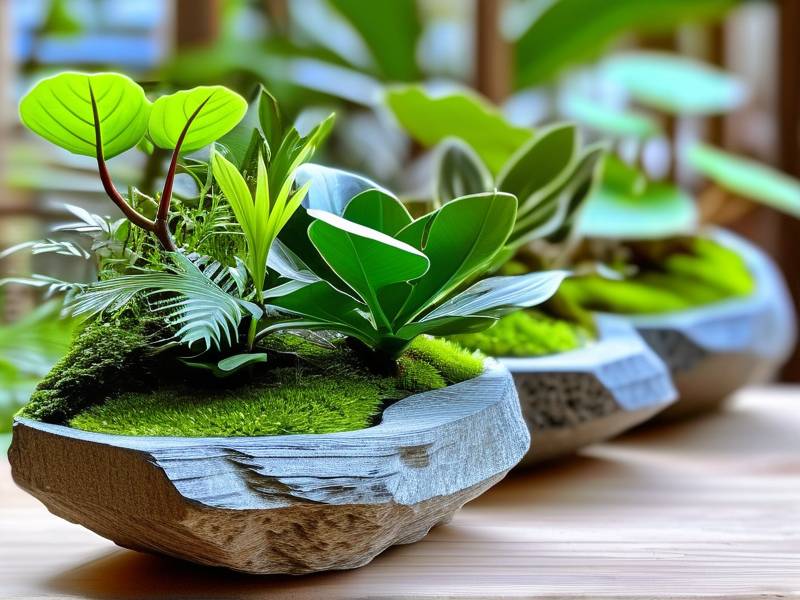
Epiphytes are not parasites. They use trees, rocks, and other structures purely for physical support, gathering moisture from the air, rain, and debris. This fundamental fact is the key to their care. When you mount an epiphytic green plant on wood or stone, you are essentially recreating this natural anchor point. Success depends on managing three critical elements: hydration, airflow, and nutrition. Fail in one, and the plant struggles. Master all three, and your mounted display will thrive for years.
Choosing Your Mount: Wood vs. Stone
The foundation of your project is the mount itself. Each material has distinct properties affecting your care routine.
Cork Bark and Driftwood are the top choices for most epiphytic plants. They are porous, allowing roots to grip and breathe easily. Cork bark is particularly excellent for moisture retention without becoming soggy. Hardwoods like manzanita or grapewood are durable and attractive but less absorbent.
Stone and Lava Rock offer a stunning, minimalist aesthetic. They are ideal for orchids and ferns that prefer their roots to dry very quickly. Stone provides almost no moisture retention, placing the hydration burden entirely on your misting and soaking routine. Ensure any stone mount has a secure hook for hanging.
Avoid pressure-treated wood or aromatic woods like cedar, which can leach harmful chemicals. All mounts should be cleaned and, if possible, soaked before use to remove dust and tannins.
The Step-by-Step Mounting Process
Gather your materials: the plant, mount, sphagnum moss (or similar moisture-retentive medium), fishing line or non-copper wire, and scissors.
Soak your sphagnum moss until it is fully hydrated, then squeeze out excess water. You want it damp, not dripping.
Create a small pad of moss against the mount where the plant's roots will make contact. This pad acts as a temporary moisture reservoir and cushion.
Position your epiphytic green plant firmly against the moss pad and the mount. Gently wrap the fishing line or wire around both roots and mount, securing the plant without cutting into the tissue. The bond should be firm but not strangling. The goal is stability until the roots naturally attach.
The Golden Rule of Watering: Soak, Don't Drown
This is where most mounted plant care fails. Forget the watering can on a schedule.
For most mounted epiphytes, the best technique is the thorough soak. Once or twice a week, depending on your home's humidity, submerge the entire mount and plant in a basin of room-temperature water for 15-30 minutes. This mimics a heavy tropical rain.
After soaking, let the plant drip-dry completely before re-hanging. It is crucial that the roots experience a cycle of wetness followed by a period of dryness and air exposure. Constant dampness is a death sentence, leading to rot.
In between soaks, a daily morning misting with a fine spray bottle can boost humidity around the plant, especially in dry climates or heated homes. Focus on the roots and the back of the mount, not just the leaves.
Light: The Silent Energy Partner
Light needs vary by species, but most epiphytic green plants mounted for indoor settings prefer bright, indirect light. Think of the dappled sunlight under a forest canopy.
An east-facing window is often ideal. A south or west window may require a sheer curtain to diffuse intense direct rays, which can scorch leaves. As noted by the American Horticultural Society's light guidelines, plants like Phalaenopsis orchids and many ferns fall under the "moderate to bright indirect" category, which is perfect for most mounted displays.
Observe your plant. Leggy growth or dark green leaves stretching indicate too little light. Yellowing or bleached, crispy patches signal too much direct sun.
Feeding Your Airborne Garden
Without soil, nutrients must be delivered directly. Use a balanced, water-soluble orchid or foliar fertilizer diluted to one-quarter strength.
Apply this weak fertilizer solution during your regular soaking session once a month during the active growing season (typically spring and summer). Avoid fertilizing in late fall and winter when growth slows. Over-fertilizing can lead to salt buildup on the bare roots, causing burn and damage. The Royal Horticultural Society advises that "less is more" when feeding epiphytes, emphasizing that their natural nutrient intake from canopy debris is very dilute.
Humidity and Airflow: The Non-Negotiables
Epiphytes crave humidity, ideally between 50-70%. In dry homes, grouping plants together, using a humidity tray, or a room humidifier can make a dramatic difference.
However, humidity without airflow invites fungal and bacterial disease. Stagnant, moist air is dangerous. Ensure your mounted plant is in a room with gentle air circulation—a ceiling fan on low or a nearby oscillating fan works perfectly. This moving air helps leaves dry after misting and strengthens the plant.
Troubleshooting Common Issues
Roots Turning Brown and Mushy: This is root rot, caused by excessive moisture and insufficient drying time. Reduce soaking frequency, increase airflow, and ensure the plant dries fully after watering. You may need to carefully remove rotted sections with sterile tools.
Roots Shriveling and Turning Gray: This is severe dehydration. Increase the frequency of soaks and misting. Your mount may be too non-porous (like some stones), requiring more attentive hydration.
Leaves Wrinkling or Limp: A sign of thirst. The plant is not taking up enough water, often due to damaged roots (from rot or dryness) or insufficient soaking time.
No New Growth: Assess light and fertilizer. The plant likely needs more bright, indirect light or a gentle feeding during the growing season.
Frequently Asked Questions
How often should I really water my mounted orchid? There is no universal schedule. The frequency depends on your home's temperature, humidity, and the mount material. The best method is the weight-and-touch test. A dry mount will feel very light, and the roots will appear silvery-gray. When you notice this, it's time for a soak. This could be every 4 days in a hot, dry summer or every 10 days in a cool, humid winter.
Can I use tap water for my mounted staghorn fern? It depends on your water quality. Many epiphytes are sensitive to salts and chemicals. Rainwater, distilled water, or reverse osmosis water is ideal. If using tap water, let it sit out overnight to allow chlorine to evaporate, and flush the mount with plain water periodically to prevent mineral buildup.
Will the roots eventually stick to the mount on their own? Yes, that's the goal! With proper care, the plant's roots will physically adhere to the mount's surface over time. This process, called attachment, can take several months to a year. Once firmly attached, you can often remove the original tying material (like fishing line) as the plant will support itself.
Mastering the care of mounted epiphytic green plants is a rewarding journey that brings a piece of the rainforest canopy into your home. It shifts the focus from a rigid watering schedule to attentive observation—learning to read the signs from the roots and leaves. By prioritizing the soak-and-dry cycle, providing bright filtered light, and ensuring fresh air moves around your plant, you create an environment where these aerial wonders can truly flourish. Start with a resilient species like a staghorn fern or a robust orchid, apply these stone and wood mounting survival secrets, and watch your living art thrive.