bluename
 How to Care for Succulent Old Stalks - Fast Shaping Thick Stems Care Methods
You've nurtured your succulent from a tiny rosette, but now it's grown tall and leggy. The once compact plant now has a long, bare stalk that seems weak and unsightly. This common issue leaves many succulent enthusiasts wondering if their plant is dying or if they've done something wrong. The good news is, a succulent old stalk isn't a death sentence—it's an opportunity. With the right care for succulent old stalks, you can transform that lanky stem into a thick, sculptural centerpiece that showcases the plant's resilience and age. This guide will walk you through proven methods for fast shaping thick stems, turning a perceived problem into your plant's most striking feature.
Understanding the "Why" Behind the Leggy Stalk
Before we dive into solutions, it's crucial to understand why succulents develop long, thin stalks in the first place. The primary culprit is etiolation—a process where a plant stretches toward a light source. Insufficient sunlight is the most common cause. Your succulent is literally reaching for more sun, resulting in increased space between leaves and a weaker, thinner stem structure.
Other factors can contribute. Overwatering can lead to soft, rapid growth that the stem cannot support robustly. Conversely, a complete lack of pruning or "beheading" as the plant matures allows it to continue growing upward without encouraging lower stem thickening. Recognizing these causes is the first step in implementing corrective and thick stem development techniques.
Essential Foundations: Light, Water, and Soil
You cannot build a thick, sturdy stem on a weak foundation. These three elements are non-negotiable for overall plant health and are prerequisites for successful stem training.
Optimize Light Exposure for Strength Sunlight is the energy source for photosynthesis, which builds strong plant tissues. To promote thickening, your succulent needs bright, direct light for most of the day. A south-facing window is ideal indoors. For many species, 6-8 hours of direct sun is the goal. If natural light is insufficient, supplement with a full-spectrum grow light placed 6-12 inches above the plant for 12-14 hours daily. According to the Royal Horticultural Society (RHS), adequate light intensity is critical for compact growth and the development of supportive tissues in succulents.
Master the Soak-and-Dry Watering Method Thick stems store water. To encourage this storage behavior, you must water deeply but infrequently. Drench the soil completely until water runs out the drainage hole, then allow the soil to dry out completely—and then wait a few more days—before watering again. This cycle stresses the plant in a controlled way, signaling it to store more water in its stem and leaves, thereby promoting denser tissue. Overwatering keeps the soil constantly moist, leading to puffy, weak growth that is prone to rot.
Choose a Gritty, Well-Draining Soil Mix Your succulent's roots and stem base need an environment that doesn't retain excess moisture. A specialized succulent or cactus mix is a good start, but for optimal thick stem development, amend it further. A 1:1 mix of potting soil and inorganic grit like perlite, pumice, or coarse sand creates the perfect fast-draining medium. This ensures the roots are healthy and oxygenated, supporting the overall vigor needed for stem thickening.
Core Techniques for Thickening a Succulent Stalk
With the basics in place, you can now apply active techniques to encourage your succulent's stalk to become thicker and more robust.
Strategic Pruning and Beheading This is the most effective method for fast shaping thick stems. By removing the top rosette (which you can propagate!), you redirect the plant's energy. The remaining stump, or old stalk, will focus its resources on healing and thickening rather than vertical growth.
- Using a sterile, sharp knife or shears, cut the stem to your desired height.
- Leave at least a few inches of stem and some leaf nodes if possible.
- Allow the cut end on both pieces to callous over for several days in a dry, shaded spot.
- Plant the top rosette as a cutting. For the base, resume normal care. You will soon see new buds (offsets) forming around the cut area, and the existing stem will begin to swell and thicken as it prepares to support new growth.
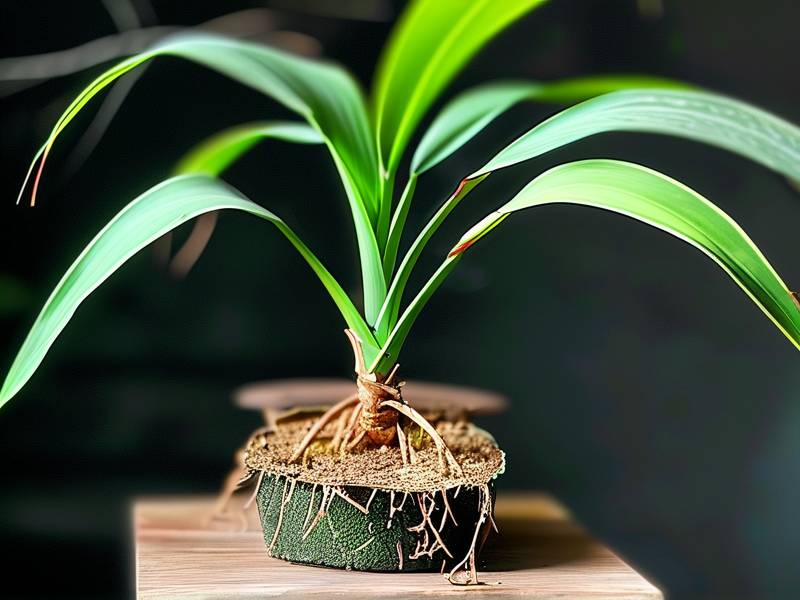
Encouraging Aerial Root Absorption Some succulents, like many Echeverias, readily produce aerial roots along their stalks. These are not a sign of distress but an adaptation. You can use them to your advantage. Gently coil these aerial roots and direct them back into the soil pot. As they grow into the medium, they act as additional support structures and increase the plant's overall capacity to absorb water and nutrients, which fuels stem thickening. The American Horticultural Society Almanac (AHSA) notes that aerial roots in succulents can enhance stability and resource uptake, contributing to a more substantial plant form.
Low-Stress Training (LST) for Succulents Borrowed from bonsai and other horticultural arts, LST involves gently bending or positioning the stalk to influence its growth. You can use soft ties or stakes to create a slight curve or adjust the stalk's angle. This manipulation causes micro-stresses that stimulate the plant to strengthen and thicken its stem in response. Be extremely gentle, as succulent stems can snap. The goal is subtle guidance, not drastic bending.
The Role of Time and Patience It's important to manage expectations. Developing a thick succulent trunk is not an overnight process. It mimics natural growth where age and weathering create gnarled, thick bases. Your interventions speed up the process, but consistency over months and years is key. Document progress with monthly photos to observe subtle changes in girth and texture.
Advanced Care: Fertilization and Seasonal Adjustments
Fertilizing for Strength, Not Just Growth Fertilizer should support your goal. Use a balanced, water-soluble fertilizer diluted to half-strength (e.g., a 10-10-10 formula) or one slightly higher in phosphorus to promote root and stem development. Apply only during the active growing season (spring and summer), once a month at most. Over-fertilizing, especially with high-nitrogen formulas, can cause rapid but weak growth, counteracting your efforts.
Seasonal Care Considerations Succulents have growth cycles. They are most active in spring and fall. This is the best time to perform pruning and apply fertilizer. During peak summer heat or winter dormancy, focus on protection from extreme temperatures and reduce watering significantly. A period of cool, dry rest in winter can actually strengthen a plant and prepare it for vigorous growth when seasons change.
Troubleshooting Common Issues
- Wrinkled, Shriveled Stalk: This is typically underwatering. While we advocate for dry periods, the stem should remain plump. Give it a thorough soak.
- Soft, Mushy, or Discolored Stalk: This is the dreaded stem rot, caused by overwatering or poor drainage. You must act fast. Cut away all soft, rotten tissue until only firm, healthy stem remains. Let it callous and re-root in fresh, dry soil.
- No Thickening After Pruning: Ensure the plant is receiving enough light and that you are not overwatering. Thickening is a slow process; give it time. Also, verify the plant is not pot-bound, as some root growth can support top growth.
How long does it actually take to see my succulent stalk thicken? Visible thickening is a slow process. After corrective actions like beheading and light optimization, you may notice the first signs of increased girth in 2-3 months. Significant, noticeable transformation often takes a full growing season or more. Consistency in care is far more important than speed.
Can any succulent variety develop a thick stalk? While most succulents can develop thicker stems with proper care, some species are naturally more inclined to form woody, tree-like "caudexes" or thick trunks. Examples include Jade Plants (Crassula ovata), Adeniums, and many Pachyphytum and Pachypodium species. Researching your specific succulent's growth habits will give you realistic goals.
Is it better to just behead my leggy succulent and start over? Not necessarily. While beheading gives you a new compact plant, the old stalk holds immense potential. With the methods described, it can become a unique, sculptural element—think of it as a living bonsai project. Keeping the old stalk allows you to cultivate character and age that a fresh cutting will take years to develop.
Transforming a leggy succulent into a plant with a powerful, thick stalk is a rewarding journey that blends science with patience. It requires a shift from basic maintenance to intentional cultivation. By mastering light exposure, perfecting your watering technique, and courageously applying strategic pruning, you guide your plant toward a stronger form. Remember, the old stalk is not a flaw to hide but a canvas for growth. Embrace the process, provide consistent care anchored in the principles outlined here, and you will be rewarded with a succulent that showcases not only beauty but also resilience and time, standing tall and thick as a testament to your skilled care.