bluename
 How to Care for Clumping Succulents - Fast Pup Growth Full Shape Care Tips
You love the lush, full look of a thriving clumping succulent, but yours seems stubbornly solitary or grows unevenly. Achieving that coveted cluster of plump "pups" and a perfectly rounded shape feels like a mystery. The frustration is real when your plant stretches out, loses its compact form, or simply refuses to multiply. This comprehensive guide cuts through the guesswork. We'll provide actionable steps to care for clumping succulents, unlocking the secrets to fast pup growth and cultivating that picture-perfect, full shape you desire.
Understanding the unique needs of these social plants is the first step to success.
What Are Clumping Succulents?
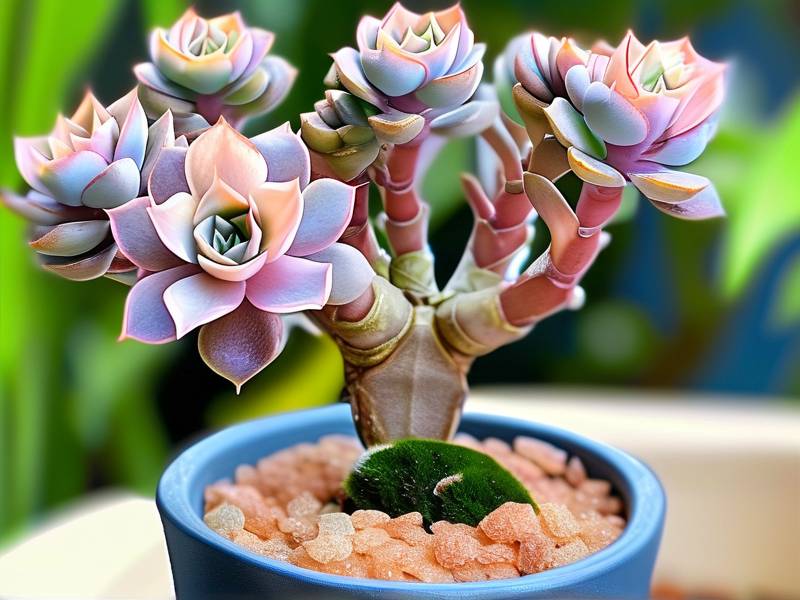
Unlike solitary succulents that grow from a single rosette, clumping varieties naturally reproduce by sending out offsets, commonly called "pups" or "babies." These new growths emerge from the base or along the stems of the mother plant, eventually forming a dense, interconnected colony. Popular examples include many Echeveria, Sempervivum (Hens and Chicks), Aloe, Haworthia, and Gasteria species. Their growth habit makes them ideal for creating lush container gardens and ground covers. According to the Royal Horticultural Society (RHS), this clumping behavior is a survival strategy, allowing the plant to colonize an area efficiently and sustain itself even if the central rosette flowers and dies.
The key to encouraging this behavior lies in replicating their ideal natural conditions as closely as possible.
The Foundation: Perfecting the Growing Environment
A thriving environment is non-negotiable for stimulating rapid offset production. Stressed succulents focus on survival, not reproduction. By getting these core elements right, you set the stage for explosive growth.
Light: The Ultimate Growth Catalyst
Light is the most critical factor for fast succulent pup growth. Insufficient light is the primary cause of etiolation—where plants stretch tall and lean, becoming weak and sparse.
Provide bright, indirect light for at least 6-8 hours daily. A south or east-facing window is often ideal. For those in less sunny climates or during winter, consider using a full-spectrum grow light placed 6-12 inches above the plants for 12-14 hours a day. Intense, direct afternoon sun in hot climates can scorch some varieties, so observe your plant's response. A happy, well-lit succulent will maintain tight, colorful rosettes and readily produce offsets at its base.
Soil: The Breathable Bed
Clumping succulents demand exceptionally well-draining soil. Their roots are prone to rot if left soggy. A standard potting mix is a death sentence.
Always use a specialized cactus and succulent mix. For even better drainage, many experts, including those from the American Horticultural Society (AHS), recommend amending this mix with additional inorganic materials. A 50:50 blend of succulent soil and perlite or coarse sand is excellent. This creates an airy, gritty medium that allows water to flow through instantly while providing minimal anchorage. This environment encourages strong, healthy root growth, which directly supports the energy-intensive process of pupping.
Pot Selection: Room for a Family
Your pot choice directly influences your plant's ability to form a full, rounded shape. A pot that is too deep or lacks drainage encourages moisture retention at the bottom.
Choose a shallow, wide pot with multiple drainage holes. Terracotta pots are superb because they are porous, allowing the soil to dry from the sides as well. The wide surface area gives pups ample space to emerge and grow without being cramped. As the colony expands, it can fill the pot evenly, creating that desirable mound-like appearance. Repot only when the colony completely covers the soil surface or becomes root-bound, typically every 2-3 years.
The Care Routine: Fueling Pup Development
With the environment optimized, your care routine provides the direct signals and nutrients that tell your plant it's safe and advantageous to multiply.
Watering: The Delicate Balance
Overwatering is the fastest way to kill a succulent and halt all pup production. Underwatering, while less immediately fatal, will stunt growth.
Adopt the "soak and dry" method thoroughly. Water only when the soil is completely dry throughout the pot. When you water, do so deeply until water runs freely from the drainage holes. This ensures the entire root zone receives moisture. Then, allow the soil to dry out completely before watering again. In winter, when growth slows, you may only need to water once a month or less. This cycle of deep drought followed by a thorough drink mimics the natural rainfall patterns these plants evolved with, promoting robust roots and triggering reproductive growth.
Fertilizing: A Gentle Nutrient Boost
While succulents are light feeders, a modest nutrient supply can significantly encourage faster offset development. Think of fertilizer as a supplement, not food.
Use a balanced, water-soluble fertilizer diluted to half or quarter strength. A formula like 10-10-10 or one lower in nitrogen (e.g., 5-10-10) is suitable. Apply this diluted fertilizer only during the active growing season—spring and summer—once per month at most. Avoid fertilizing in fall and winter. Over-fertilizing, especially with high-nitrogen formulas, can cause weak, leggy growth and make the plant more susceptible to pests. The goal is to provide just enough resources to support the energy demands of producing pups.
Pruning and Grooming: Shaping Your Masterpiece
Strategic grooming is essential for maintaining the full shape care of your clumping succulent. It directs the plant's energy and improves aesthetics.
Regularly remove any dead, dried, or damaged leaves from the bottom of the plant by gently pulling them sideways. This improves air circulation, deters pests, and allows light to reach the base where pups form. If your succulent produces a flower stalk, you can choose to let it bloom or cut it off. Blooming consumes tremendous energy; removing the stalk allows the plant to redirect that energy into vegetative growth and pupping. For trailing clumpers, occasional trimming of long stems can promote bushier growth.
Advanced Techniques for Propagation and Problem-Solving
Sometimes, plants need a little extra encouragement. These techniques can help manage and multiply your collection.
Encouraging and Separating Pups
When a pup is about one-third the size of the mother plant, it can often be separated to grow independently, which can also stimulate the mother to produce more offsets.
To separate, gently remove the entire plant from its pot. Brush away soil to expose the connection point between the pup and mother. Using a clean, sharp knife or by gently twisting, sever the connecting root or stem. Allow the pup to dry and callus over the wound for 1-3 days before planting it in its own small pot with dry succulent mix. Wait about a week before its first watering. The mother plant can be returned to its pot.
Troubleshooting Common Issues
Even with great care, issues can arise. Early identification is key.
- Leggy, Stretched Growth: This is unequivocally a sign of insufficient light. Gradually introduce the plant to brighter conditions to avoid sunburn.
- Soft, Mushy Leaves or Black Stem: Classic signs of overwatering and root rot. You must act fast. Remove the plant from its soil, cut away all black, mushy roots and leaves with a sterile tool, and let it dry out for several days before repotting in fresh, dry mix.
- Pups Not Forming: Ensure all environmental factors (especially light) are optimal. Consider a slight stress trigger, like slightly tighter root binding or a more pronounced dry period between waterings, which can sometimes stimulate reproduction as a survival response.
- Pests: Mealybugs and aphids can attack. Isolate the plant and treat with a cotton swab dipped in rubbing alcohol or an insecticidal soap spray.
Frequently Asked Questions
How long does it take for clumping succulents to produce pups? There's no universal timeline, as it depends on species, age, and care. A mature, happy plant under ideal light and with a slight root-bound condition may start producing offsets within a single growing season. Some may take a year or more to settle in before pupping. Patience and consistent care are vital.
Should I remove the pups or leave them attached? This depends on your aesthetic goal. Leaving pups attached will create a dense, full cluster or mat. Removing them allows the mother plant to focus energy on producing more pups and gives you new plants. For the fullest shape, leave them attached until the colony becomes overcrowded.
My succulent is only growing tall, not wide. What can I do? This is etiolation from low light. While you can't reverse the stretch, you can "behead" the plant. Cut the top rosette off, allow it to callus, and replant it. Provide much brighter light for the new plant. The remaining stem will often produce multiple new pups from the leaf nodes, creating a clumping effect.
Mastering the care of clumping succulents is a rewarding journey. By providing intense light, impeccable drainage, and practicing mindful watering, you create the foundation for success. Strategic fertilizing, careful grooming, and understanding when to intervene with propagation will transform your solitary rosette into a flourishing, multi-generational display. Observe your plants closely, adjust your care to their responses, and you'll be rewarded with the rapid pup growth and magnificently full shape that makes these succulents so endlessly captivating.