 bluename
 How to Care for Euphorbia Milii - Year-Round Blooms No Wilting Secrets
You brought home a vibrant Euphorbia milii, also known as the Crown of Thorns, dreaming of its cheerful, long-lasting blooms. But now, the leaves are dropping, the flowers are sparse, and that promised year-round color seems like a distant fantasy. You’re not alone. Many plant enthusiasts struggle with this resilient yet particular succulent. The secret to unlocking non-stop, vibrant flowers without wilting lies not in complex rituals, but in understanding and replicating its simple, native needs. This guide will demystify Euphorbia milii care, transforming your plant into a perpetual bloomer that thrives effortlessly.
Understanding Your Euphorbia Milii
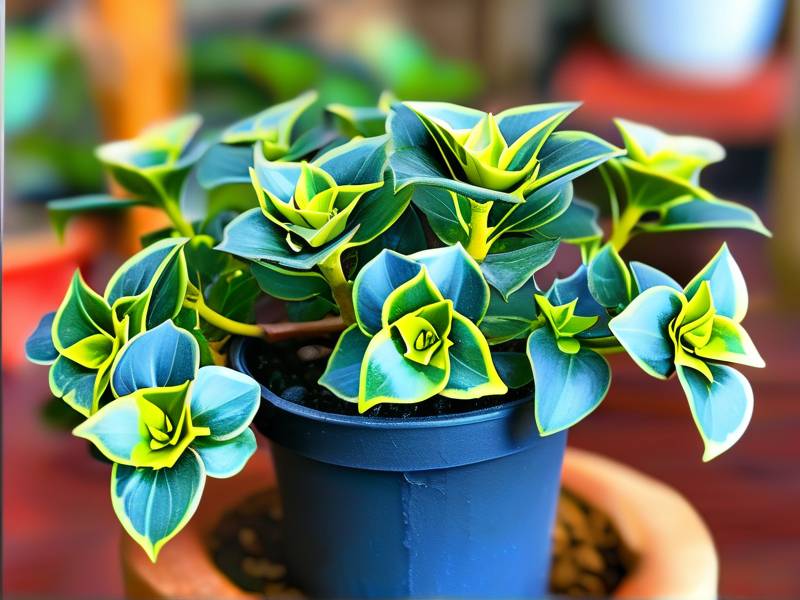
Native to Madagascar, Euphorbia milii is a sun-loving succulent. Its thick, thorny stems store water, making it drought-tolerant. The key to its famed, nearly continuous flowering is bright light and a cycle of consistent care that mimics its natural habitat. Ignoring these core needs is the primary reason for failure.
Essential Care for Non-Stop Blooms
Light: The Ultimate Bloom Booster
Light is the single most critical factor for Euphorbia milii to bloom year-round. It craves direct sunlight. A south or west-facing window is ideal, providing at least 4-6 hours of direct sun daily. Without sufficient light, the plant will become leggy, with large gaps between leaves, and flowering will cease entirely. If you only have bright, indirect light, flowering may be seasonal. For indoor growers in less sunny climates, supplementing with a grow light for 12-14 hours a day can be the game-changer that triggers constant bud production. A study on succulent photoperiodism highlights how consistent, high-intensity light is crucial for sustained flowering in many species, including Euphorbias.
The Perfect Watering Rhythm: Dry is Key
Overwatering is the fastest way to kill a Crown of Thorns. Its succulent nature means it hates "wet feet." The goal is to mimic the arid, well-draining conditions of its homeland. Water deeply only when the soil is completely dry. Insert your finger into the soil up to the first knuckle—if it feels dry, it’s time to water. Soak the soil thoroughly until water runs out of the drainage holes, then let all excess water drain away. Never let the pot sit in a saucer of water. In winter, when growth slows, you may only need to water once a month or even less. Underwatering is always safer than overwatering with this plant.
Soil and Potting: Foundation for Health
The right soil mix prevents root rot, the main consequence of overwatering. Use a gritty, extremely well-draining cactus or succulent potting mix. You can enhance a standard mix by adding 50% perlite or coarse sand to ensure rapid drainage. Choose a pot with ample drainage holes. Terracotta pots are excellent as they are porous and help wick away excess moisture. Repot only every 2-3 years, or when the plant becomes root-bound, using the opportunity to refresh the soil.
Feeding for Fabulous Flowers
While not heavy feeders, Euphorbia milii benefits from regular nutrition to support constant blooming. Use a balanced, water-soluble fertilizer (like a 10-10-10 or 5-5-5 formula) diluted to half-strength. Apply it every 4-6 weeks during the active growing season (spring and summer). Some experts, including horticulturists from the Royal Horticultural Society (RHS), recommend a fertilizer slightly higher in phosphorus (the middle number) to promote blooming. However, the most important factor is consistency and avoiding over-fertilization, which can damage roots and inhibit flowering. Stop feeding in fall and winter when the plant is resting.
Temperature and Humidity: Creating Comfort
Euphorbia milii thrives in warm temperatures between 65°F and 85°F (18°C - 29°C). It is not cold-hardy and must be protected from temperatures below 50°F (10°C). Avoid placing it near cold drafts or air conditioning vents. Average household humidity is perfectly fine. It does not require the high humidity that many tropical plants need, making it an excellent low-maintenance houseplant.
Advanced Tips for Prolific Blooming
Pruning for More Flowers
Don’t be afraid to prune! Pruning encourages bushier growth and more flowering points. After a bloom cycle finishes, use clean, sharp pruners to trim back leggy stems. Always wear gloves to protect your hands from the thorns and the milky sap, which can be a skin irritant. Pruning in early spring is most effective.
Managing the Sap and Safety
All Euphorbias exude a white, latex-like sap when cut or broken. This sap can cause skin and eye irritation. The American Horticultural Society (AHS) advises always wearing gloves when handling the plant and washing any sap off skin immediately with soap and water. Keep the plant away from pets and children who might chew on it.
Troubleshooting Common Problems
- Leaf Drop: This is usually caused by a sudden change in environment (like moving from store to home), overwatering, or cold drafts. Stabilize its care routine.
- No Blooms: Insufficient light is the #1 cause. Increase sun exposure or add a grow light. Also, ensure you are not over-fertilizing with a high-nitrogen formula, which promotes leaves over flowers.
- Yellowing Leaves: Often a sign of overwatering. Check soil moisture and ensure the pot drains well.
- Leggy Growth: A clear plea for more sunlight. Move it to a brighter location.
Frequently Asked Questions
Why are the flower buds on my Crown of Thorns falling off before opening? Bud drop is typically caused by stress. The most common stressors are a sudden change in watering routine (especially drying out too much), a significant temperature fluctuation, or moving the plant to a new location after buds have formed. Once buds appear, try to keep its environment as consistent as possible.
Is Euphorbia milii a good plant for beginners? Absolutely. Its drought tolerance and low humidity needs make it forgiving for those who tend to underwater. The key for beginners is to master the "soak and dry" watering method and provide enough light. Once these are in place, it’s a remarkably resilient and rewarding plant.
Can I grow Euphorbia milii outdoors year-round? Yes, but only in USDA hardiness zones 9-11, where temperatures rarely dip below freezing. In these climates, plant it in a sunny, well-draining spot. In cooler zones, it thrives outdoors in pots during the summer but must be brought indoors before the first frost in fall.
Achieving year-round, non-wilting blooms from your Euphorbia milii is a simple equation: abundant light, cautious watering, and well-draining soil. By listening to its needs—offering it the sun it craves and resisting the urge to over-love it with water—you’ll be rewarded with a steadfast display of color that defies the seasons. This thorny beauty is not just a plant; it’s a lesson in resilient, low-fuss gardening that pays back in constant, cheerful blossoms.





