bluename
 How to Care for Agave - Keep Leaves Erect & Firm Essential Tips
You've brought home a stunning agave plant, drawn by its sculptural form and promise of easy care. But now, you're facing a common frustration: the once proud, sword-like leaves are starting to droop, curl, or feel soft to the touch. This sagging isn't just an aesthetic issue; it's a cry for help from your desert native. Achieving and maintaining those characteristically erect and firm agave leaves is the ultimate sign of a thriving plant. This guide delivers the essential, expert-backed tips to solve this core problem, transforming your agave into a resilient, architectural masterpiece.
Understanding the Agave's Blueprint for Success
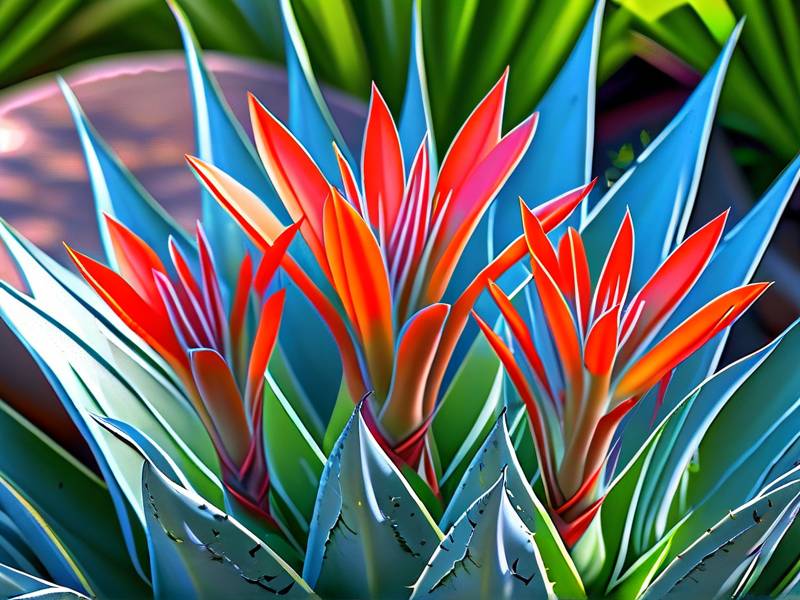
Agaves are masterpieces of adaptation, evolved over millennia to thrive in harsh, arid environments. Their very structure—those thick, fleshy leaves arranged in a tight rosette—is a water storage and conservation system. Firm, upright leaves indicate efficient water storage and robust cellular turgor pressure. When leaves lose their rigidity, it signals a breakdown in the plant's internal balance. According to horticultural principles from the Royal Horticultural Society (RHS), succulents like agave rely on a precise cycle of drought and drench to maintain optimal leaf texture and form. Ignoring this natural rhythm is the primary cause of collapse.
Essential Pillar 1: Mastering the Watering Technique for Firm Leaves
The number one culprit behind limp agave leaves is almost always improper watering. It's a delicate dance between neglect and over-attention.
The "Soak and Dry" Method is Non-Negotiable Forget frequent sips. Agave roots demand a thorough drenching followed by a period of complete drought. Water deeply until it flows freely from the drainage holes, ensuring the entire root ball is moistened. Then, allow the soil to become completely dry, all the way to the bottom of the pot, before even considering more water. This cycle encourages deep, strong roots that physically support the plant and draw water efficiently to the leaves.
How to Accurately Assess Soil Dryness Don't guess; measure. Stick your finger or a moisture probe deep into the soil. The top few inches should be bone-dry, and the pot should feel significantly lighter. In winter, this drying period may extend for weeks or even over a month, as the plant enters dormancy. The American Horticultural Society (AHS) emphasizes that during dormancy, overwatering is the fastest way to induce root rot and subsequent leaf softening.
Critical Adjustments for Seasons and Environment Your watering schedule must be fluid, not fixed. Agaves need more frequent soaking during their active growth phase in hot, sunny summers. Conversely, in cool, cloudy winters, they require profound neglect. Always prioritize environmental cues over a calendar.
Essential Pillar 2: Providing the Light Needed for Structural Integrity
Light is the energy source that powers the internal systems keeping leaves firm. Insufficient light leads to weak, etiolated growth that cannot support itself.
The Direct Sunlight Requirement Most agave species crave a minimum of 6-8 hours of direct, unfiltered sunlight daily. A south- or west-facing exposure is ideal. This intense light fuels photosynthesis, creating the robust cellular structure within the leaves. A sun-starved agave will stretch, its leaves becoming elongated, thin, and prone to flopping.
Acclimating Indoor or New Plants Sudden exposure to full sun can scorch leaves. If your agave has been indoors or in shade, introduce it to direct light gradually over 1-2 weeks. Start with morning sun and increase exposure daily to prevent sunburn, which can also compromise leaf firmness.
Essential Pillar 3: The Foundation: Soil and Drainage
Even perfect watering is sabotaged by poor soil. Agave roots are highly susceptible to rot in stagnant moisture.
Crafting the Perfect Fast-Draining Mix Standard potting soil is a death sentence. You need a gritty, porous mix. A classic recipe is one part potting soil, one part coarse sand or poultry grit, and one part perlite or pumice. This ensures water flashes through while providing slight anchorage and air to the roots.
The Non-Negotiable Role of Drainage Holes Your pot must have excellent drainage holes. Terracotta pots are excellent for agaves, as they are porous and wick away excess moisture from the soil. Ensure the pot is not sitting in a saucer of water after irrigation.
Essential Pillar 4: Strategic Fertilization for Strength
Agaves are not heavy feeders, but a minimal, targeted nutrient boost can enhance leaf vigor.
Less is More: The Low-Nitrogen Rule Use a balanced, water-soluble fertilizer diluted to half-strength, or better yet, a formula specifically designed for cacti and succulents. These are typically lower in nitrogen, which promotes soft, weak growth if over-applied. Fertilize only once at the very beginning of the growing season (late spring) and skip it entirely the rest of the year.
Essential Pillar 5: Proactive Protection from Pests and Disease
Weakness from poor conditions invites invaders that directly target leaf health.
Mealybugs and Agave Snout Weevil: The Primary Threats Mealybugs suck sap, weakening leaves. The agave snout weevil is a more dire threat; the female lays eggs at the base, and larvae burrow into the core, causing a fatal collapse where leaves fall over from the center. Regularly inspect the base and leaf axils. Treat mealybugs with insecticidal soap or isopropyl alcohol. For weevils, preventive systemic insecticides in early spring may be necessary in endemic areas, as per expert recommendations from university extension services.
Troubleshooting Specific Leaf Firmness Issues
Why Are My Agave Leaves Curling Inward? Severe inward curling is a classic sign of extreme, prolonged underwatering. The plant is consuming all stored moisture from its leaves, causing them to contract. A deep, thorough soak may help it recover if the roots are still viable.
Why Are the Bottom Leaves Soft and Drooping? If lower leaves are consistently soft and mushy, progressing upward, this is a textbook symptom of root rot from chronic overwatering or poor drainage. You must unpot the plant immediately, remove all black/brown mushy roots with sterile tools, and repot in fresh, dry, gritty mix. Withhold water for at least a week.
Dealing with Physical Damage and Scars A firm leaf that gets bent or scarred will not straighten. You can remove severely damaged outer leaves at the base with a clean, sharp knife to maintain aesthetics and redirect energy to new, healthy growth. The plant's core structure will remain sound.
How often should I really water my indoor agave plant? There is no weekly schedule. Water only when the soil is completely dry throughout the pot. For most indoor environments, this may mean watering every 3-5 weeks in summer and potentially every 8-10 weeks or longer in winter. Always let the plant's soil condition, not the date, be your guide.
Can I fix an agave that is already drooping? It depends on the cause. If due to underwatering, a deep soak may revive it. If due to overwatering and root rot, immediate intervention to remove rot and repot is the only chance. If due to severe etiolation (stretching) from low light, the existing growth will not firm up, but new growth will be strong if placed in adequate sunlight.
What is the single most important factor for keeping agave leaves erect? It is the synergy between perfect drainage and disciplined watering. Without fast-draining soil and a pot with holes, you cannot water correctly. Without adhering to the "soak and dry" method, even perfect soil won't prevent rot. These two elements are inseparable for maintaining leaf firmness.
Caring for an agave to achieve those signature erect, firm leaves is a practice in mindful neglect. It requires resisting the urge to overwater, providing an abundance of relentless sun, and planting in a gritty, unforgiving soil that mimics its native habitat. By understanding and respecting the plant's inherent need for a cycle of drought and drench, you create the conditions for not just survival, but for showcasing its full, sculptural potential. A firm agave is a happy agave, a testament to the balance between nature's design and your informed care.