bluename
 How to Care for Beaucarnea Recurvata - Thick Stems Slender Leaves Care Guide
You've brought home a Beaucarnea recurvata, captivated by its sculptural, bulbous trunk and fountain of slender, arching leaves. Yet, that initial excitement can quickly turn to worry as leaves begin to brown at the tips, or worse, the base feels soft. You're not alone. Many plant enthusiasts struggle with this resilient yet particular plant, often due to misconceptions about its needs. This comprehensive guide is designed to demystify the care of the ponytail palm, transforming your uncertainty into confidence and ensuring your thick-stemmed beauty thrives for decades.
Understanding Your Beaucarnea Recurvata
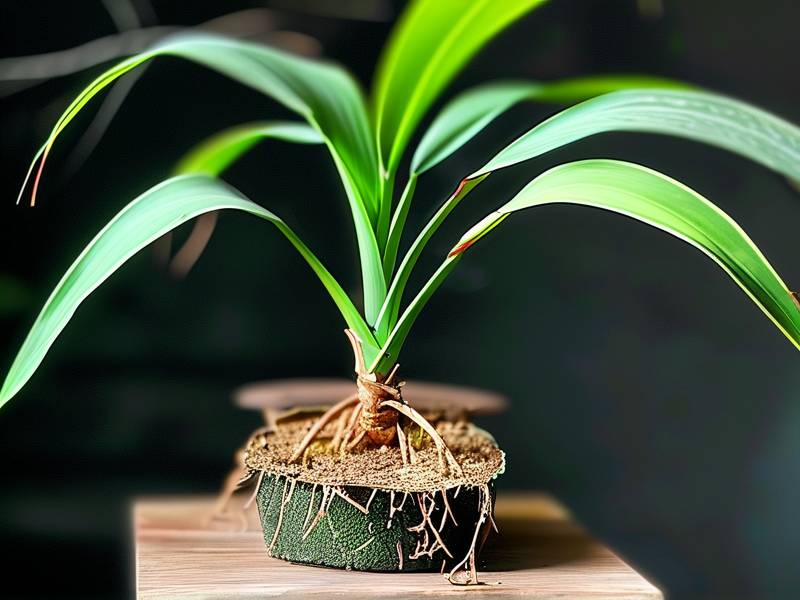
Often called the ponytail palm, Beaucarnea recurvata is not a true palm at all. It's a member of the Asparagaceae family, closely related to agaves and yuccas. This distinction is crucial for its care. Native to arid regions of eastern Mexico, it evolved to survive prolonged droughts. Its iconic swollen caudex (the thick stem) acts as a water reservoir. This evolutionary adaptation is the key to everything: it stores water so you don't have to provide it constantly. According to the Royal Horticultural Society (RHS), this species is prized for its architectural form and exceptional tolerance of neglect, particularly underwatering, making it an excellent choice for beginners and busy individuals.
Essential Care Requirements for a Healthy Plant
Light: Emulating the Sun-Drenched Habitat
Bright, indirect light is the gold standard. Your Beaucarnea recurvata will thrive in a spot near a south or west-facing window where it receives plenty of filtered sunlight. It can tolerate several hours of direct sun, which encourages compact, sturdy growth. Insufficient light leads to weak, elongated leaves and a lackluster appearance. If you notice the leaves becoming excessively long and floppy, it's a clear signal to increase light exposure. A study on xerophytic plant adaptation highlights that sufficient light is critical for maintaining the metabolic efficiency of water-storing plants like Beaucarnea.
Watering: The Most Critical Step
This is where most owners go wrong. The mantra is: When in doubt, wait it out. Overwatering is the fastest way to kill a ponytail palm, leading to root rot and a mushy caudex.
- The Technique: Water thoroughly only when the soil is completely dry throughout the pot. To check, insert your finger or a moisture meter deep into the soil near the root zone.
- The Process: Pour water evenly over the soil until it runs freely from the drainage holes. Allow all excess water to drain away completely. Never let the pot sit in a saucer of water.
- Frequency: This varies drastically with season, light, and pot size. In summer, it might be every 2-3 weeks. In winter, it could be once a month or even less. The American Horticultural Society of America (AHSA) notes that dormant watering for succulents and xerophytes during winter is a key practice for preventing rot.
Soil and Potting: Ensuring Excellent Drainage
A well-draining, gritty mix is non-negotiable. Standard potting soil retains too much moisture. Opt for a cactus and succulent mix, or create your own blend using two parts potting soil, one part perlite, and one part coarse sand. The pot must have ample drainage holes. Terracotta pots are ideal as they are porous and help wick away excess moisture. Repotting is rarely needed; these plants enjoy being slightly root-bound. Repot only every 3-4 years, using a container only one size larger to prevent excess soil from staying wet too long.
Temperature and Humidity: Creating a Comfortable Environment
Beaucarnea recurvata prefers average room temperatures between 65°F and 80°F (18°C - 27°C). It can tolerate brief dips down to 50°F (10°C) but should be protected from frost and freezing temperatures at all costs. Average household humidity is perfectly fine. It does not require misting; in fact, misting can promote fungal issues on the leaves. Its thick stems and slender leaves are adapted to dry air.
Feeding: Minimal Nutritional Needs
Feed sparingly. During the active growing season (spring and summer), a balanced, half-strength liquid fertilizer applied once a month is sufficient. A fertilizer formulated for cacti and succulents is a good choice due to its lower nitrogen content. Do not fertilize in autumn and winter when the plant's growth slows or stops. Over-fertilization can lead to weak growth and damage the roots.
Pruning and Maintenance of Slender Leaves
Pruning is primarily for aesthetics and removing damaged foliage. Use clean, sharp scissors to trim away any brown or yellowing leaves at their base. You can also trim the very tips of leaves if they turn brown, but cut following the leaf's natural shape to avoid a blunt, unnatural look. To encourage a bushier appearance, you can carefully thin out some of the older outer leaves. Always avoid cutting the central growing crown.
Troubleshooting Common Issues
- Brown Leaf Tips: The most common issue. Usually caused by underwatering (yes, it can happen), over-fertilization, or fluoride/chlorine in tap water. Use filtered or rainwater if this persists.
- Yellowing, Drooping Leaves: Almost always a sign of overwatering and potential root rot. Check the soil and caudex immediately. If soft, you may need to unpot, trim rotten roots, and repot in dry, fresh mix.
- Soft, Mushy Caudex: Advanced root rot from chronic overwatering. This is a serious condition requiring immediate intervention.
- Pests: Generally pest-resistant but can occasionally attract spider mites in very dry, indoor air or scale insects. Wipe leaves with a damp cloth or use insecticidal soap.
Propagation Methods for New Plants
While propagation from seed is possible, it's a slow process. The most common method for home growers is from offsets, sometimes called "pups." These small plants occasionally grow from the base of the mother plant.
- Wait until the offset is at least 4 inches tall.
- Using a sterile, sharp knife, carefully separate it from the main caudex, ensuring it has some roots attached.
- Allow the cut surface to callous over for a day or two.
- Plant the offset in a small pot with fresh cactus mix, water lightly, and place in bright, indirect light. Water only when the soil is completely dry.
Why is the base of my ponytail palm skinny and not bulging? A thin base is typically due to insufficient light and/or overwatering. The caudex swells as a storage organ in response to dry periods and uses those reserves to grow. Consistent watering and high light encourage it to store water and expand. With improved care, it will gradually thicken over time.
Can my Beaucarnea recurvata go outside in the summer? Yes, it can benefit from a summer outdoors. Acclimate it gradually to prevent sunburn by placing it in dappled shade first, then moving it to a brighter spot. Ensure it's in a well-draining pot and bring it back indoors well before nighttime temperatures drop below 50°F (10°C).
How long can a ponytail palm live? With proper care, Beaucarnea recurvata is an exceptionally long-lived houseplant. It's not uncommon for them to live for several decades, growing slowly and becoming a dramatic, treasured heirloom piece. Their slow growth and low maintenance contribute to their remarkable longevity indoors.
Caring for a Beaucarnea recurvata is a lesson in restraint and observation. By respecting its desert origins—providing abundant light, infrequent but thorough watering, and a gritty home—you enable its unique survival strategy to shine. This plant rewards patience and a hands-off approach, growing into a striking, architectural statement that is as resilient as it is beautiful. Embrace its slow pace, and you'll have a companion for years to come.