bluename
 How to Care for Adenium Obesum - Large Colorful Blooms No Root Rot Care Tips
You've brought home a stunning desert rose, or Adenium obesum, dreaming of its spectacular, large colorful blooms. Yet, that dream is often shadowed by a common, dreaded fear: root rot. Seeing those vibrant, swollen caudexes turn mushy and those beautiful leaves yellow and drop is heartbreaking. It feels like a battle you can't win. But what if the secret isn't just in watering less, but in mastering a complete care system designed for this unique succulent's needs? This guide is your definitive roadmap to nurturing a thriving Adenium obesum that produces breathtaking flowers season after season, all while keeping its roots healthy and strong.
Understanding Your Adenium Obesum
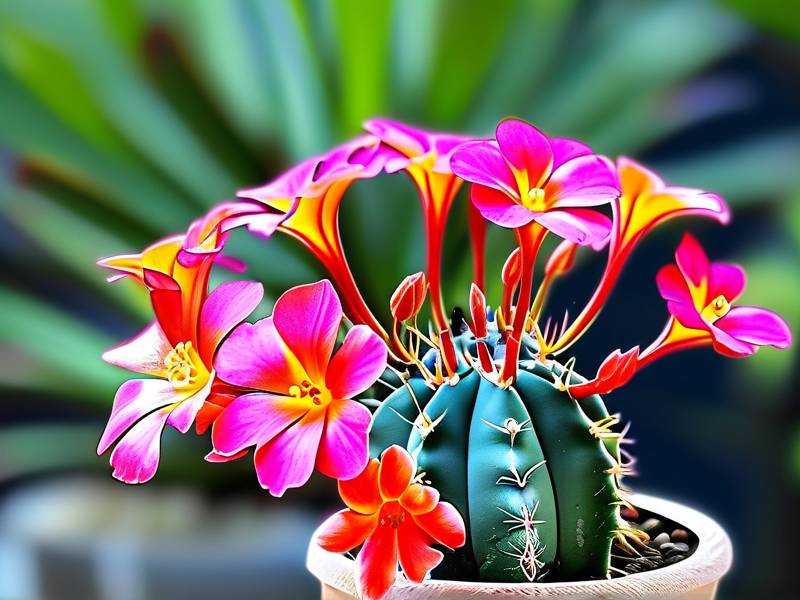
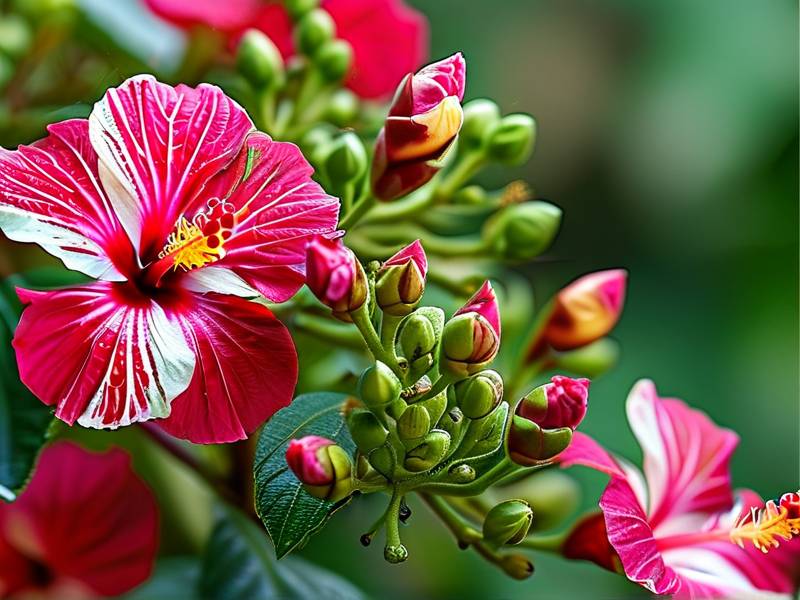
Often called the desert rose, Adenium obesum is a succulent plant native to arid regions of Africa and the Arabian Peninsula. Its striking features include a thick, sculptural caudex (water-storing trunk) and vibrant, trumpet-shaped flowers. To care for it successfully, you must replicate its natural habitat: lots of sun, infrequent but deep watering, and excellent drainage. The American Horticultural Society (AHS) notes that plants like Adenium, adapted to harsh environments, have evolved specific physiological traits, such as water-storing tissues, that make them exceptionally vulnerable to overwatering in typical home settings.
The Ultimate Soil Mix: Your First Defense Against Root Rot
The single most critical factor in preventing root rot is the soil. Standard potting soil is a death sentence for desert roses, as it retains moisture for far too long.
Your Adenium needs a sharply draining, gritty, and airy mix. A perfect blend might consist of:
- 50-60% inorganic material: Such as perlite, pumice, or coarse horticultural sand. This ensures rapid drainage and prevents compaction.
- 40-50% organic material: A well-draining cactus/succulent potting mix is ideal. Some growers also add a small amount of coco coir for slight moisture retention without sogginess.
The Royal Horticultural Society (RHS) emphasizes that for container-grown succulents, "the compost must be free-draining." They recommend adding extra grit or sand to standard mixes to achieve this structure. This mix allows water to flow through immediately, hydrating the roots briefly before the excess drains away, leaving the root zone to dry out efficiently.
Mastering the Watering Technique for Lush Blooms
Watering is an art form with Adeniums. The goal is to mimic the infrequent, heavy rains of their native desert, followed by a long, dry period.
When to Water: Never water on a schedule. Always check the soil first. The top few inches of the soil should be completely dry. You can also use the "caudex test": a firm, plump caudex indicates sufficient water reserves; a slightly soft or wrinkly caudex signals it's time to water.
How to Water: When you do water, do it thoroughly. Soak the entire pot until water runs freely from the drainage holes. This encourages deep root growth. Then, allow the pot to drain completely. Never let your Adenium sit in a saucer of water.
Seasonal Adjustments: During the active growing season (spring and summer), when the plant is producing leaves and flowers, watering will be more frequent. In the dormant season (fall and winter), when growth slows and leaves may drop, reduce watering drastically—sometimes to just once a month or less, depending on your home's temperature and humidity.
Sunlight and Temperature: The Energy for Large Colorful Blooms
Adeniums are sun worshippers. To produce those large, colorful blooms, they need maximum light.
Provide at least 6-8 hours of direct sunlight daily. A south-facing window is ideal indoors. In summer, they thrive outdoors in full sun. Insufficient light leads to leggy growth, a weak caudex, and few to no flowers.
These plants love heat. Daytime temperatures between 70-90°F (21-32°C) are perfect. They are not frost-tolerant and must be brought indoors if temperatures dip below 50°F (10°C). During winter dormancy, a slightly cooler spot (around 55-65°F) is beneficial but not mandatory if kept dry.
Feeding for Spectacular Flower Displays
Fertilizing supports vigorous growth and prolific blooming. Use a balanced, water-soluble fertilizer with a higher phosphorus content (e.g., a ratio like 10-30-20 or 5-10-10). Phosphorus is key for flower development.
Feed your Adenium obesum every two to four weeks during the active growing season. Dilute the fertilizer to half the recommended strength to avoid burning the sensitive roots. A common mistake is over-fertilizing, which can cause salt buildup in the soil and damage the plant. Stop all fertilization during the dormant winter period.
Potting and Repotting: Ensuring Room to Grow
Choosing the right pot is part of the root rot prevention strategy. Always use a pot with ample drainage holes. Terracotta pots are excellent because they are porous, allowing the soil to dry out more quickly than plastic or ceramic pots.
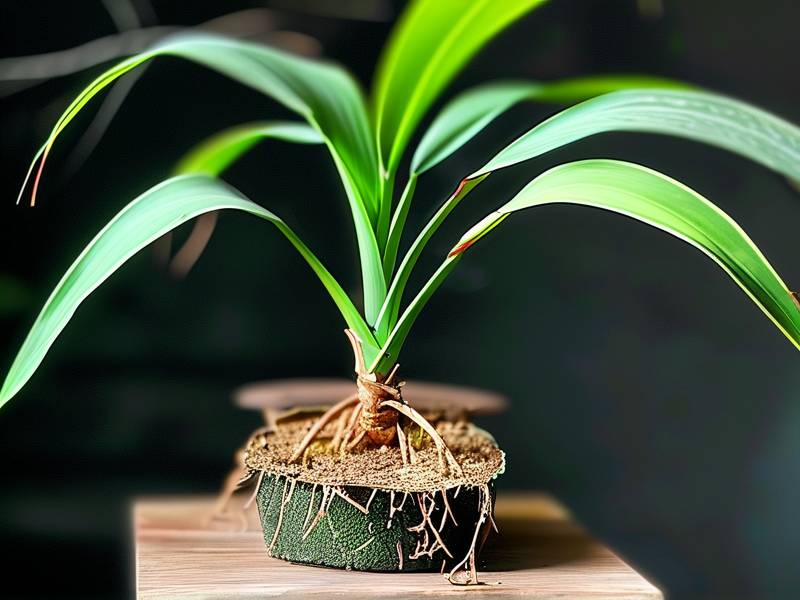
Repot your young Adenium every 1-2 years in spring, and mature plants every 3-4 years. This refreshes the soil and gives the roots room to expand. When repotting, carefully inspect the root system. Trim away any black, mushy, or rotten roots with sterile shears. Let the roots air dry for a day before placing the plant in its new pot with fresh, dry soil mix. Wait about a week before the first watering to allow any minor root injuries to callus over.
Pruning and Shaping for Health and Beauty
Pruning serves two main purposes: to shape the plant for a more attractive, bonsai-like appearance and to encourage bushier growth and more flowering sites. The best time to prune is in late winter or early spring, just before the new growth flush.
Use clean, sharp pruning shears. You can cut back leggy branches and remove any dead or crossing growth. Don't be afraid to prune significantly; Adeniums respond well. Pruning also helps improve air circulation within the plant's canopy, reducing the risk of pest and disease issues.
Troubleshooting Common Problems
Yellowing Leaves: This is often the first sign of overwatering and potential root rot. Check your soil moisture immediately. It can also indicate under-watering or nutrient deficiency, but overwatering is the most common culprit.
Lack of Blooms: Insufficient sunlight is the primary reason. Ensure your plant gets enough direct sun. Also, review your fertilization; a lack of phosphorus can inhibit flowering. An over-potted plant (too much soil holding too much moisture) may focus energy on root growth instead of flowers.
Pests: Watch for common pests like spider mites, mealybugs, and aphids. Treat infestations early with insecticidal soap or neem oil, ensuring you cover the undersides of leaves.
What should I do if I suspect my Adenium has root rot? Act immediately. Remove the plant from its pot and wash the roots gently. Cut away all soft, brown, or black rotten roots with a sterile tool. Let the plant dry in a shaded, airy place for 2-3 days. Repot it in a completely fresh, dry, well-draining mix. Do not water for at least a week to ten days afterward. The plant may drop leaves, but with a healthy portion of the root system remaining, it can recover.
Why are the leaves on my desert rose falling off? Leaf drop can be normal during the winter dormancy period as the plant conserves energy. However, if it happens during the growing season, it's usually a stress signal from overwatering, a sudden temperature drop, or a drastic change in light conditions. Assess your care routine and environment.
Can I grow Adenium obesum from seed to get unique flower colors? Absolutely. Growing from seed is rewarding and can produce unique caudex forms and flower color variations. Sow seeds in a well-draining mix, keep them warm (75-80°F), and lightly moist. Germination typically occurs within a week. Remember, seed-grown plants will take several years to mature and bloom, but the wait is part of the fun.
Caring for an Adenium obesum is a rewarding journey of understanding a plant's unique language. By prioritizing a gritty soil mix, watering with mindful intention, and providing abundant sunlight, you create the foundation for a resilient plant. This approach directly prevents root rot issues and fuels the energy needed for those stunning, large colorful blooms. Observe your plant closely, respond to its cues, and you'll be rewarded with a spectacular, long-living desert rose that becomes the centerpiece of your collection.