bluename
 How to Care for Clivia Miniata - Erect Leaves & Bright Blooms Care Method
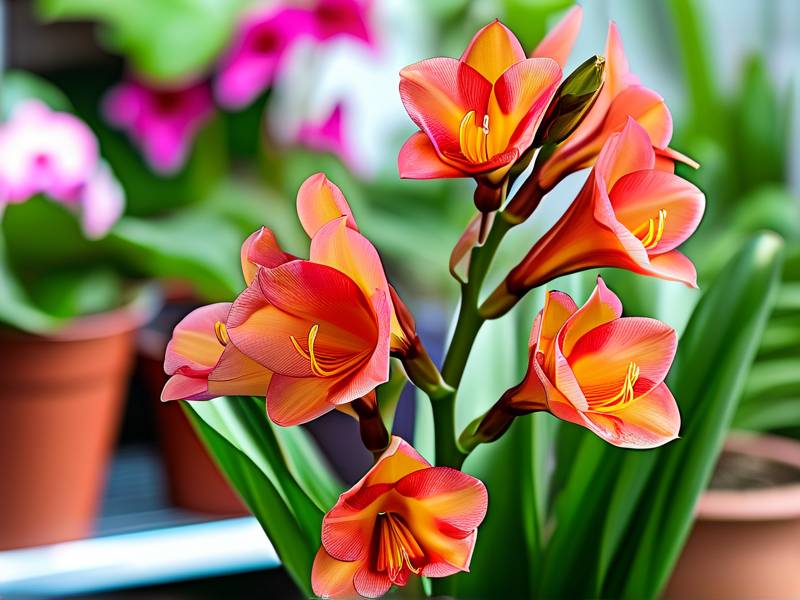
You've brought home a stunning Clivia miniata, captivated by its promise of bold, architectural leaves and clusters of fiery orange blooms. Yet, instead of the upright, glossy foliage and vibrant flowers you envisioned, you're facing a plant with limp, yellowing leaves that refuses to flower. This frustration is common, but entirely solvable. Achieving those signature erect leaves and reliably bright blooms hinges on understanding a few critical, non-negotiable aspects of Clivia care. This guide will walk you through the exact methods to transform your Clivia into a thriving, blooming spectacle.
Understanding Your Clivia Miniata Native to the forest floors of South Africa, Clivia miniata is an evergreen perennial that thrives in dappled shade. Its growth cycle is key to its care: a period of active growth in spring and summer, followed by a crucial rest period in late fall and winter. Mimicking this natural rhythm is the secret to unlocking its flowering potential. The Royal Horticultural Society (RHS) notes that Clivias are prized for their ability to thrive in low-light interior spaces, but their flowering is directly tied to a cool, dry rest period.
Essential Care for Robust Growth and Erect Leaves The posture and health of your Clivia's strappy leaves are a direct indicator of its well-being. Drooping or discolored leaves signal issues with its core needs.
Perfecting Light for Strong Structure Clivia demands bright, indirect light to maintain its leaf rigidity and produce flower buds. An east or north-facing window is ideal. Direct afternoon sun will scorch the leaves, causing unsightly brown patches, while too little light leads to weak, floppy growth and a complete absence of flowers. Observe the leaf color; a deep, lush green indicates perfect light levels.
Watering: The Balance Between Hydration and Rot Overwatering is the fastest way to kill a Clivia. These plants store water in their thick, fleshy roots. During the active growing season (spring to early fall), water only when the top inch of soil feels completely dry. Soak the soil thoroughly, then allow all excess water to drain away. In winter, during the rest period, watering is reduced significantly. The American Horticultural Society (AHA) emphasizes that for many bulbous and rhizomatous plants like Clivia, "a dry rest is fundamental for initiating the bloom cycle."
Soil and Potting: Foundation for Health A well-draining, chunky potting mix is non-negotiable. Use a blend designed for orchids (like a bark-based mix) or create your own with equal parts potting soil, perlite, and orchid bark. This prevents water from pooling around the roots. Clivias actually bloom best when slightly pot-bound. Repot only every 3-4 years, or when the fleshy roots literally push the plant out of the pot, and only move to a container one size larger.
Feeding for Foliage and Flowers During active growth, feed monthly with a balanced, water-soluble fertilizer diluted to half strength. A fertilizer with a higher middle number (phosphorus), such as a 10-20-10 formula, can encourage blooming. Stop all fertilization in late fall and throughout the winter rest period. This pause is a critical signal to the plant.
The Key to Reliable Bright Blooms: The Winter Rest Period This is the most important and most often missed step in Clivia miniata care for flowering. Without a proper rest, your plant will stubbornly remain green but never produce its spectacular bloom stalk.
Implementing the Dormancy Phase For about 6-8 weeks in late fall/early winter (often around November-December), your Clivia needs a cool, dry rest. Move it to a location with temperatures between 45-55°F (7-13°C), such as an unheated porch, basement, or cool room. Reduce watering dramatically, providing just enough to prevent the leaves from wilting and the roots from desiccating completely—perhaps only once a month.
Bringing It Back to Bloom After the rest period, gradually return the plant to its warmer, brighter spot and resume normal watering. The combination of this chill period followed by warmer temperatures and increased moisture triggers the development of a flower bud. You'll soon see a thick stalk emerging from between the leaves. Once the bud is visible, you can apply a bloom-booster fertilizer to support the development of the large, bright flower cluster.
Troubleshooting Common Problems
- Yellowing Leaves: Usually a sign of overwatering. Check soil moisture and ensure proper drainage.
- Brown Leaf Tips: Can indicate low humidity, fluoride in tap water, or a buildup of fertilizer salts. Use distilled or rainwater if possible, and flush the soil periodically.
- No Flowers: The universal culprit is skipping the cool, dry winter rest period. Ensure it gets its necessary dormancy.
- Pests: Watch for mealybugs (cottony masses) or scale (brown bumps). Wipe with alcohol-soaked cotton swabs or use insecticidal soap.
Propagation and Long-Term Care Mature Clivias produce offsets, or "pups," at their base. These can be carefully divided during repotting. Ensure each division has at least three leaves and its own set of roots. Pot it separately in a small container and care for it as a mature plant, though it may take several years to bloom for the first time.
Why won't my Clivia miniata bloom? The most likely reason is the lack of a proper winter rest period with cooler temperatures and significantly reduced watering for 6-8 weeks. This environmental trigger is essential for bud formation.
What should I do with the flower stalk after blooming is finished? Once the entire flower cluster has faded, you can cut the stalk off at its base near the soil line. This prevents the plant from wasting energy on seed production, unless you wish to harvest the berries for propagation.
Is Clivia miniata toxic to pets? Yes. All parts of the Clivia plant, especially the berries, contain lycorine and other alkaloids that can cause vomiting, diarrhea, and drooling in cats and dogs if ingested. It's best to place the plant in a location inaccessible to curious pets.
With consistent care that respects its natural cycle—providing bright indirect light, disciplined watering, and most importantly, the mandatory winter rest—your Clivia miniata will reward you for years. Its elegant, erect foliage will provide architectural interest, and the spectacular annual display of bright, cheerful blooms will be a testament to your successful care. Embrace the rhythm of this remarkable plant, and enjoy the vibrant results.