bluename
 How to Care for Soil-Grown Succulents - No Stretching Developed Roots Care Essentials
You’ve carefully chosen a beautiful, compact succulent. But over time, it starts to look different. The once tight rosette stretches out, leaving long, bare stems between sparse leaves. The vibrant color fades to a dull green. This frustrating phenomenon, known as etiolation or "stretching," is a cry for help from your plant. More critically, beneath the soil, a weak root system may be struggling to support this top-heavy growth, putting the entire plant at risk. Mastering the essentials of soil-grown succulent care is the key to preventing this. It ensures your plants remain compact, colorful, and anchored by strong, developed roots that promote long-term health and stunning form.
Understanding the "Why" Behind Stretching and Weak Roots
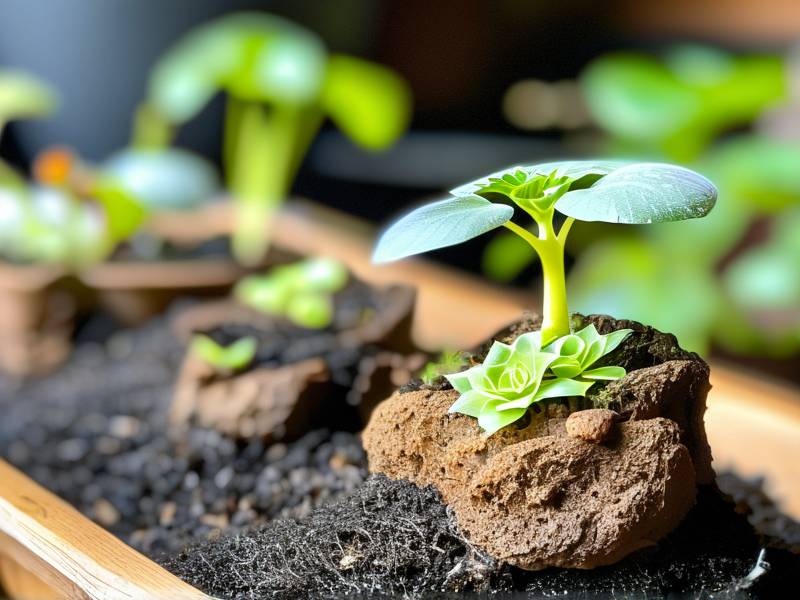
Before we dive into solutions, let's diagnose the problem. Succulents stretch primarily due to insufficient light. In their native habitats, these plants bask in intense sunlight. Indoors, they stretch toward any available light source, sacrificing their compact shape for survival. This weakens the stem and diverts energy from root development.
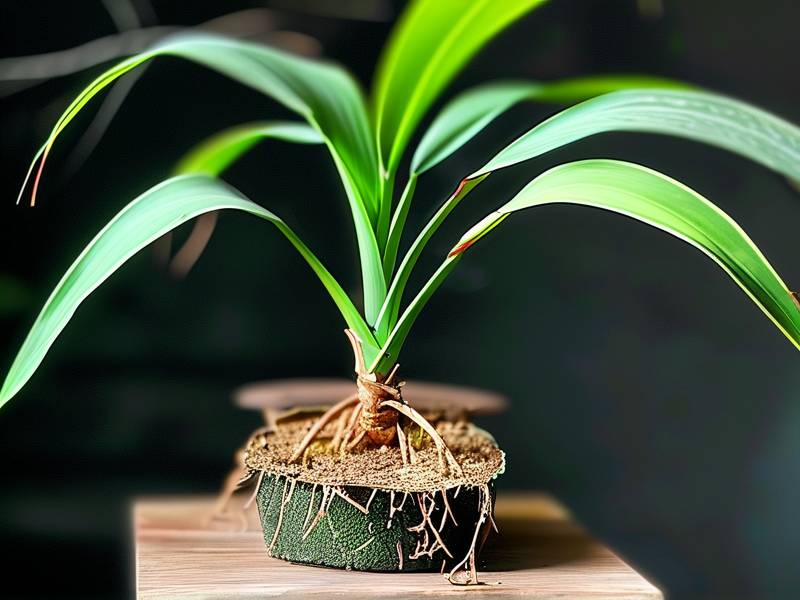
Poor root health is often a silent partner to stretching. It can be caused by improper watering (the number one killer of succulents), inadequate soil that stays wet too long, or a pot that doesn’t allow for proper drainage and aeration. A plant with underdeveloped succulent roots cannot efficiently absorb water or nutrients, making it more susceptible to stress, stretching, and disease.
The Foundation: Soil and Pot Selection for Root Development
Everything starts from the ground up. The right soil and pot are non-negotiable for cultivating those essential developed roots.
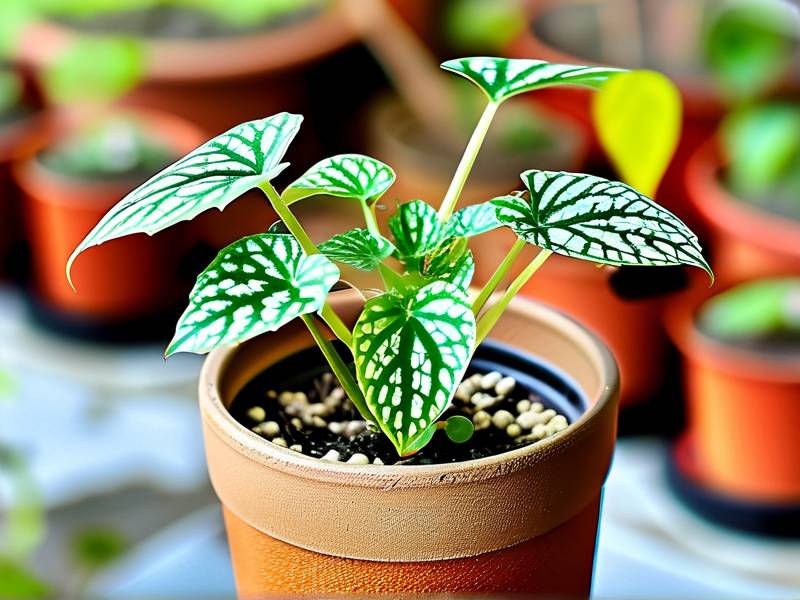
Choosing the Perfect Pot Drainage is paramount. Every pot must have at least one drainage hole. Terracotta or unglazed ceramic pots are excellent choices. Their porous nature allows the soil to dry more evenly, reducing the risk of root rot. Ensure the pot size is appropriate—only 1-2 inches larger in diameter than the plant's root ball. A pot that's too large holds excess moisture, encouraging roots to rot rather than grow strong and fill the space.
Crafting the Ideal Soil Mix Standard potting soil is a death sentence for most succulents; it retains too much moisture. Succulents need a gritty, well-draining mix. A high-quality commercial "cactus and succulent mix" is a good start, but for optimal root development, experts recommend amending it. The Royal Horticultural Society (RHS) advises adding perlite, pumice, or coarse sand to increase drainage. A simple and effective recipe is a 1:1 mix of succulent potting soil and perlite. This creates an airy structure that allows roots to breathe, grow robustly, and avoid waterlogged conditions.
The Light Equation: Preventing Stretching from the Start
Light is the most critical factor in keeping your succulent compact. "No stretching" is a direct result of meeting your plant's light needs.
Identifying Your Light Source Not all light is equal. A bright window may not be enough, especially if it's north-facing. South or west-facing windows typically provide the most intense light. Observe the quality of light throughout the day. Does direct sunbeam hit the spot? Does it get bright, indirect light for 6+ hours?
When Natural Light Isn't Enough In many homes, especially during winter, supplemental lighting is essential to care for soil-grown succulents effectively. Grow lights are a fantastic solution. Look for full-spectrum LED lights. Place them 6-12 inches above the plants and run them for 12-14 hours a day using a timer. This provides the consistent, high-intensity light that mimics their natural environment and completely halts the stretching process.
Acclimating to Prevent Shock If moving a plant to a brighter location, do so gradually. Sudden, intense sunlight can cause sunburn. Increase exposure by an hour or two each day over a week. This careful approach prevents one problem while solving another.
Watering Wisdom: Deep Soaks for Deep Roots
Watering is an art form with succulents. The goal is to encourage the roots to grow deep and wide in search of moisture, creating a strong, developed root system.
The "Soak and Dry" Method Forget frequent sips. The golden rule is to water deeply, then let the soil dry out completely. How do you know? First, check the soil. Insert a finger or a wooden skewer into the pot—if it comes out clean and dry, it's time. Second, assess the leaves. A well-hydrated succulent has firm, plump leaves. When thirsty, the leaves may become slightly softer or wrinkled.
When it's time, water thoroughly. Pour water evenly over the soil until it runs freely out of the drainage hole. This ensures moisture reaches the entire root zone. Then, let all excess water drain away completely. Never let the plant sit in a saucer of water.
Seasonal Adjustments Succulents have active and dormant periods. Most are active in spring and summer, requiring more frequent watering (perhaps every 7-10 days, depending on conditions). In fall and winter, growth slows, and watering should be drastically reduced—sometimes only once a month or less. The American Horticultural Society (AHA) emphasizes that overwatering during dormancy is a primary cause of root failure.
Nutrition and Repotting: Supporting Steady Growth
With perfect light, soil, and water, your succulent will thrive. A little targeted support ensures it continues to do so.
Fertilizing for Health, Not Speed Succulents are not heavy feeders. Over-fertilizing can cause weak, leggy growth—the opposite of what we want. Use a balanced, water-soluble fertilizer diluted to half-strength. Apply it only during the active growing season (spring and summer), no more than once a month. A fertilizer formulated for cacti and succulents is ideal as it supports steady growth without forcing it.
The Repotting Ritual for Root Renewal Repotting every 2-3 years refreshes the soil and gives roots room to grow. Gently remove the plant, brush away the old soil, and inspect the roots. Trim away any black, mushy, or dead roots with sterile scissors. This is a perfect opportunity to see your well-developed succulent roots. Let the plant air-dry for a day before repotting in fresh, dry mix. Wait about a week before the first watering to allow any root injuries to callus over.
Troubleshooting and Proactive Care
Even with great care, issues can arise. Catching them early is key.
Rescuing a Stretched Succulent If your plant has already stretched, you can't shrink the stem, but you can reclaim a compact plant. The most common method is "beheading." Using a sterile knife, cut the stem below the stretched portion, leaving a nice rosette and a few inches of stem. Let the cutting callus for several days, then plant it in fresh soil to grow new developed roots. The original stem may also produce new offshoots.
Signs of Root Distress Yellowing, translucent, or dropping leaves often signal overwatering and potential root rot. A plant that wobbles loosely in its pot or hasn't grown in years may have underdeveloped or rotten roots. Unpot the plant immediately, assess the damage, trim rotten parts, and follow the repotting steps above.
Pest Prevention Healthy plants in the right conditions are more pest-resistant. Still, occasionally check for mealybugs (white cottony spots) or aphids. Treat infestations early with insecticidal soap or isopropyl alcohol applied with a cotton swab.
Common Questions Answered
Can I save a succulent with rotted roots? Yes, if there is still healthy stem tissue. Cut away all soft, brown, or black roots and any affected stem until you see clean, firm tissue. Let the plant dry thoroughly for several days to a week, then place it on or in fresh, dry soil. Water only after new roots begin to form, which can take several weeks.
How often should I really water my succulents? There is no universal schedule. The frequency depends on your home's light, humidity, temperature, pot type, and soil mix. Always use the "soak and dry" method and rely on the physical signs—dry soil and slightly soft leaves—rather than the calendar. This practice is fundamental to proper soil-grown succulent care.
Do all succulents need direct sunlight? While most crave bright light, requirements vary. Echeverias, Sempervivums, and most Sedums need several hours of direct sun. Haworthias and Gasterias often prefer bright, indirect light. Research your specific variety. When in doubt, err on the side of more light and watch for signs of stretching or sunburn to adjust.
Cultivating succulents that are compact, colorful, and firmly rooted is deeply rewarding. It requires an understanding of their unique language—a stretch for light, a wrinkle for water. By providing intense light, a gritty well-draining home, and deep but infrequent water, you work in harmony with their natural instincts. You are not just preventing problems; you are creating the conditions for resilient developed roots and spectacular growth. The result is a collection of plants that are not merely surviving, but authentically thriving, showcasing the stunning forms that make succulents so captivating.