bluename
 How to Care for Hydroponic Succulents - No Root Rot Healthy Growth Care Methods
You love the clean, modern look of hydroponics and the unique charm of succulents. But combining them? The idea of growing these drought-loving plants in water seems like a recipe for disaster, with root rot being the number one fear. You're not alone in this concern. Many enthusiasts hesitate, picturing their beloved echeverias or haworthias succumbing to mushy, brown roots. However, mastering how to care for hydroponic succulents is not only possible but can lead to surprisingly vigorous and healthy growth. This guide will walk you through the precise methods to eliminate the risk of root rot and ensure your water-based succulents thrive, transforming that anxiety into confidence.
The secret lies not in fighting the plant's nature, but in adapting the hydroponic environment to meet its specific needs. By understanding the critical differences between soil and water culture, you can create a system where roots stay oxygenated, nutrients are perfectly balanced, and growth is consistently robust. Let's dive into the foundational principles and step-by-step care routines that guarantee success.
Understanding the Hydroponic Succulent Environment
Traditional soil provides structure, nutrients, and, crucially, air pockets. In hydroponics, we must replicate the aerobic (oxygen-rich) conditions that succulent roots desperately need to avoid rot. The goal is to support the plant while keeping the crown and stem base dry and the roots sufficiently aired.
Choosing the Right System and Setup
Not all hydroponic systems are created equal for succulents. Deep water culture (DWC), where roots are fully submerged, is a high-risk choice. Instead, opt for systems that prioritize root zone aeration.
The Wick System or Semi-Hydroponics (LECA) are ideal starting points. In a wick system, a passive reservoir feeds water upward, but the planting medium remains only lightly moist. Growing succulents in LECA (Lightweight Expanded Clay Aggregate) is arguably the best method. These porous clay balls provide excellent physical support, wick moisture slowly, and create ample air spaces around the root zone. This environment discourages anaerobic bacteria, the culprits behind root rot.
For a more advanced approach, a recirculating drip system with very short, infrequent cycles can work well, ensuring the roots get moistened but then have time to dry and breathe.
Selecting and Preparing Your Succulents
Start with healthy, mature plants. Look for succulents known for adaptability, such as Echeveria, Haworthia, Sedum, or certain Aloe varieties. The transition from soil to water is critical.
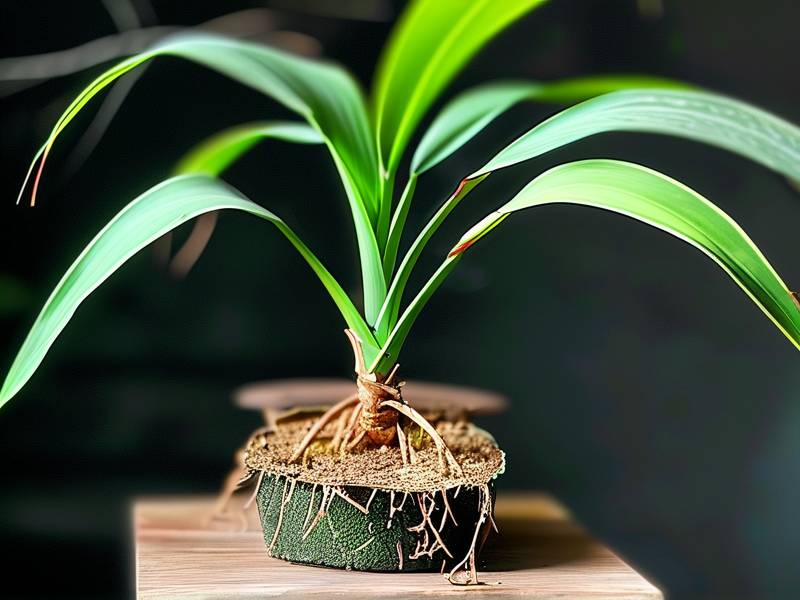
First, gently unpot the plant and remove all soil from the roots. This is non-negotiable; any leftover soil can decompose and contaminate your clean system. Rinse the roots thoroughly under lukewarm water. Next, perform a careful root inspection. Trim away any thin, hairy, or already damaged roots using sterilized scissors. These soil roots are not adapted to water and will likely die off. Your goal is to encourage the growth of new, water-adapted (hydroponic) roots.
After trimming, let the plant air-dry in a shaded, well-ventilated area for 24-48 hours. This allows any cut or damaged areas to callous over, creating a vital barrier against pathogens when introduced to moisture.
The No-Root-Rot Water and Nutrient Protocol
This is the heart of healthy growth care methods. Water quality is paramount. Always use filtered, reverse osmosis (RO), or distilled water. Tap water contains minerals and chlorine that can build up and harm sensitive succulent roots.
Nutrients should be provided at a significantly diluted strength. Use a balanced, high-quality hydroponic nutrient solution, but mix it at one-quarter to one-half of the recommended dosage for other plants. Succulents are light feeders. A formula with a good balance of nitrogen, phosphorus, and potassium, along with essential micronutrients, is sufficient. As noted by researchers in horticultural science, over-fertilization is a primary stressor that can lead to cell rupture and increased susceptibility to disease in succulents.
The golden rule for preventing rot: the water level must never touch the base of the plant or the stem. In a LECA setup, fill your reservoir only until it reaches the bottom one-third of the pot. The clay balls will wick moisture upward, keeping the roots in a humid but not saturated environment. This mimics the natural cycle of a heavy rain followed by a rapid dry-down.
Monitoring and Maintenance for Optimal Health
Consistent care beats intensive intervention. Check your reservoir weekly. Refill with fresh, properly diluted nutrient solution only when it is nearly empty. This "dry-down" period is essential for root oxygenation. Every two to four weeks, completely empty the reservoir and flush the system with plain, pH-balanced water for a day to prevent mineral salt accumulation.
Lighting remains crucial. Provide bright, indirect light for 6-8 hours daily. A south or east-facing window is perfect, or use grow lights positioned 6-12 inches above the plants. Avoid intense, direct midday sun through glass, as the hydroponic environment can make plants slightly more susceptible to heat stress.
Observe your plant. Signs of success include firm, plump leaves and the emergence of new, white or light-colored roots adapted to the humid environment. Signs of trouble include consistently soft, translucent leaves (overwatering) or shriveled leaves (underwatering or salt burn).
Troubleshooting: Early Signs and Solutions
Vigilance catches problems before they become catastrophes. If you suspect the beginning of root issues, immediately remove the plant from the system. Gently rinse the roots and inspect. Healthy hydroponic roots are firm and white or tan. Rotting roots are brown, black, slimy, and mushy.
Trim all affected parts back to healthy tissue with a sterilized tool. Let the plant callous again for 1-2 days. Before replanting, sterilize your hydroponic vessel and use fresh LECA. Reintroduce the plant to plain water for a week before resuming a very weak nutrient solution. This process, emphasized in plant pathology guides, effectively resets the environment.
Can any succulent be grown hydroponically? While many adapt well, some succulents are more challenging. Avoid species that are extremely sensitive to moisture or have very delicate root systems, such as some cacti or lithops ("living stones"). Start with hardy, common varieties like Echeveria or Haworthia for the best chance of success.
How often should I change the nutrient solution completely? A full change with a system flush is recommended every 2-4 weeks. This prevents the buildup of unused mineral salts that can alter pH and cause "nutrient lockout" or root tip burn, creating entry points for disease.
My hydroponic succulent's lower leaves are turning yellow and falling off. Is this root rot? Not necessarily. Some natural leaf reabsorption is normal, especially during transition or growth periods. However, if the leaves are mushy and translucent before falling, or if the stem feels soft, it points to excess moisture. If they are dry and crispy, it may indicate under-watering, nutrient deficiency, or too much direct light. Assess the conditions of the roots directly for a definitive diagnosis.
Mastering the care of hydroponic succulents is a rewarding practice that blends the simplicity of hydroponics with the beauty of these resilient plants. By prioritizing aeration, using inert media like LECA, meticulously managing water and nutrient strength, and maintaining a consistent monitoring routine, the threat of root rot diminishes entirely. You create an environment where roots access precisely what they need—water, food, and air—on demand. This controlled approach often results in faster, cleaner, and more consistent growth than traditional soil, allowing you to enjoy the architectural forms of your succulents in a striking, modern way. Embrace the process, start with a robust plant, and let these methods guide you toward a thriving, soil-free succulent collection.