bluename
 How to Care for Trailing Green Plants - Long Vines No Wilting Care Guide
You've brought home a beautiful trailing green plant, dreaming of lush, cascading vines. But instead of thriving, you're watching those long vines slowly wilt, turn yellow, or stop growing altogether. This frustrating scenario is all too common. The dream of a vibrant, waterfall-like display of greenery can quickly fade when faced with drooping leaves and sparse growth. The good news? Achieving long, healthy, non-wilting vines is entirely possible with a clear understanding of your plant's needs. This comprehensive guide will walk you through every step, transforming you from a worried plant owner into a confident caretaker of magnificent trailing foliage.
Understanding Your Trailing Plant's Core Needs
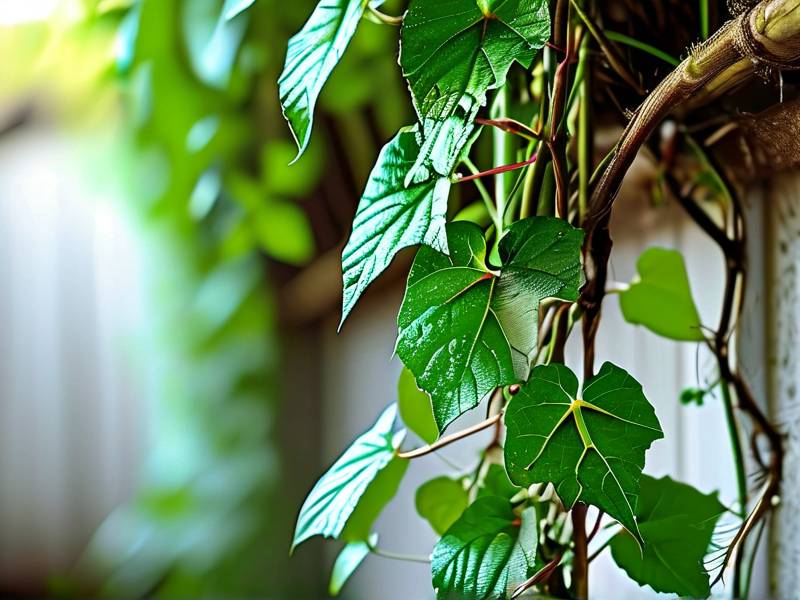
Trailing plants, like the popular Pothos, Philodendron, Spider Plant, and String of Pearls, share a common desire: to mimic their natural habitat. Most originate from understory forest environments where they receive dappled light, consistent humidity, and climb or trail along the forest floor or tree trunks. Wilting is rarely just about water; it's often a symptom of a mismatch in one of these fundamental areas.
The Foundation: Perfecting Light for Lush Growth
Light is the engine of photosynthesis and growth. For trailing vines to grow long and strong, providing the correct light is non-negotiable.
Bright, Indirect Light is the Golden Rule Place your plant near a north or east-facing window, or a few feet back from a south or west-facing window. Direct afternoon sun can scorch leaves, causing brown, crispy patches, while too little light leads to leggy growth—where the vines stretch with large gaps between leaves, seeking any light source. A study on indoor plant physiology consistently shows that plants receiving optimal indirect light produce more robust stems and denser foliage.
Signs of Light Distress Learn to read the leaves. Pale, washed-out leaves often indicate too much direct sun. Conversely, small new leaves, slowed growth, and vines that seem to be "reaching" signal insufficient light. Rotate your plant a quarter turn every time you water to ensure all sides receive even light, promoting balanced, full growth.
Watering Wisely: The Key to Preventing Wilting
Overwatering is the leading cause of wilting and root rot in trailing plants. Ironically, underwatering also causes wilting. The trick is mastering the "soak and dry" method.
The Finger Test Method Forget the calendar. The Royal Horticultural Society (RHS) advises checking soil moisture by inserting your finger up to the second knuckle. If the soil feels dry at that depth, it's time to water. For deeper pots, a moisture meter can be a helpful tool. When you water, do so thoroughly until water runs freely from the drainage holes, ensuring the entire root ball is hydrated.
Seasonal Watering Adjustments Your plant's water needs change with the seasons. Growth slows in fall and winter, meaning you may only need to water every 2-3 weeks or longer. In the vibrant growth periods of spring and summer, weekly watering might be necessary. Always let the soil guide you. A pot with excellent drainage is critical to prevent water from pooling at the bottom, which suffocates roots.
Soil and Potting: Creating a Healthy Root Environment
Roots need oxygen as much as they need water. The right soil mix and pot provide the balance.
Choosing the Right Potting Mix A well-draining, aerated potting mix is essential. A standard houseplant mix amended with perlite or orchid bark (at a ratio of about 3:1) creates an ideal environment. This allows water to drain quickly while retaining enough moisture for the roots. The American Horticultural Society (AHS) notes that aeration in soil prevents compaction, giving roots the space they need to expand and support vigorous top growth.
When and How to Repot Repot every 1-2 years in spring, or when you see roots circling the bottom of the pot or growing out of the drainage holes. Choose a new pot only 1-2 inches larger in diameter. A pot that's too big holds excess soil that stays wet for too long. Gently loosen the root ball when transplanting to encourage roots to grow outward into the new soil.
Feeding for Length and Strength
While trailing plants aren't heavy feeders, they need nutrients to support long-term vine growth.
Fertilizer Type and Schedule Use a balanced, water-soluble fertilizer (e.g., 10-10-10 or 20-20-20) diluted to half-strength. Apply this during the active growing season (spring and summer) every 4-6 weeks. Do not fertilize in the dormant fall and winter months, as the plant cannot use the nutrients, which can then build up and harm the roots.
Addressing Nutrient Deficiencies If your vines are growing but the leaves are small or pale green, it may indicate a need for fertilizer. Yellowing leaves, particularly older ones, can sometimes signal a nitrogen deficiency. A consistent, mild feeding schedule prevents these issues and promotes steady, healthy elongation of the vines.
Pruning and Training for Fuller, Longer Vines
Strategic pruning doesn't hinder growth; it stimulates it.
Where to Cut for Bushier Growth To encourage a fuller plant, don't be afraid to trim long vines. Use clean, sharp scissors to cut just above a leaf node (the small bump on the stem where a leaf attaches). This signals the plant to produce new growth points at that node, leading to a bushier appearance rather than a single, long, sparse vine.
Propagation: Creating More Plants Those cuttings you just made are new plants in waiting! Place the cut end in water or moist soil, ensuring at least one node is submerged or buried. In a few weeks, roots will develop. You can then pot these new plants to create a denser container or share with friends. This cycle of pruning and propagating is the secret to a perpetually lush, cascading display.
Humidity and Temperature: The Comfort Zone
Most trailing plants thrive in average home humidity but appreciate a boost.
Simple Humidity Hacks If leaf tips are brown and crispy, the air might be too dry. Group plants together to create a microclimate, use a pebble tray filled with water placed under the pot (ensure the pot sits on the pebbles, not in the water), or occasionally mist the plant in the morning. For a significant boost, a small humidifier nearby works wonders, especially in winter.
Ideal Temperature Ranges Keep your plant in a room between 65°F and 80°F (18°C - 27°C). Avoid placing it near drafty windows, heating vents, or air conditioning units, as sudden temperature fluctuations can cause stress and leaf drop.
Troubleshooting Common Wilting Problems
Even with great care, issues can arise. Here’s how to diagnose and fix them.
Yellowing Leaves: Overwatering vs. Underwatering Soggy soil coupled with yellow, mushy leaves points to overwatering and potential root rot. Dry, crispy soil with yellow, brittle leaves indicates underwatering. Adjust your watering immediately based on the diagnosis. For suspected root rot, you may need to repot into fresh, dry soil after trimming away any black, mushy roots.
Pests and Diseases Inspect your vines regularly, especially the undersides of leaves. Common pests like spider mites, mealybugs, and aphids can weaken plants. Treat infestations early with insecticidal soap or neem oil, applied according to the product instructions. Good air circulation around your plant helps prevent fungal diseases.
My trailing plant's vines are long but have very few leaves. What's wrong? This is called "leggy" growth and is almost always caused by insufficient light. The plant is stretching to find a brighter spot. Move it to a location with brighter, indirect light. You can also prune back the leggy vines to encourage bushier new growth from the base in the improved light.
How often should I really be watering my pothos or philodendron? There is no universal schedule. The frequency depends on pot size, soil type, light levels, and season. Always use the finger test. In a typical indoor setting with moderate light, this might mean watering every 1-2 weeks in summer and every 3-4 weeks in winter, but you must check the soil to be sure.
Can I grow trailing plants in a room with no natural light? While some trailing plants like Pothos are tolerant of low light, no plant thrives in complete darkness. They require some source of light to photosynthesize. In a windowless room, you must provide a strong artificial grow light for 8-12 hours daily to maintain health and prevent decline.
Caring for trailing green plants is a rewarding journey of observation and adjustment. By mastering the balance of light, water, and nutrients, you provide the foundation for resilient growth. Remember, pruning is your friend for creating density, and the right soil ensures healthy roots. Start by assessing your plant's current light situation and checking the soil moisture today. With these consistent practices, you'll be well on your way to enjoying the stunning, vibrant cascade of long, non-wilting vines you've always wanted. Your indoor jungle awaits.