bluename
 How to Care for Large Green Plants: Indoor Placement and No Yellow Leaves Care Tips
You’ve invested in a stunning, large green plant to bring life and tranquility to your space. But instead of thriving, you’re watching in dismay as its leaves slowly turn yellow, one by one. This common frustration can make indoor plant care feel like a guessing game. The good news? Yellowing leaves are often a clear distress signal, not a death sentence. By mastering a few key principles of indoor placement and tailored care, you can transform your large green plant into a resilient, vibrant centerpiece that purifies your air and lifts your spirits for years to come.
This comprehensive guide will walk you through the exact steps to stop yellow leaves in their tracks, focusing on the unique needs of substantial indoor greenery. We’ll move beyond generic advice to provide actionable strategies for creating the perfect environment.
Understanding Why Large Plant Leaves Turn Yellow
Before we fix the problem, we must diagnose it. Yellow leaves on large indoor plants are a symptom, not the disease itself. The primary culprits usually relate to water, light, nutrients, or environment.
Overwatering: The Silent Killer This is the leading cause of yellowing leaves, especially for beginners. Large plants often reside in big pots, and the soil at the bottom can stay soggy long after the top feels dry. Roots need oxygen; constant wetness suffocates them, leading to root rot. The first sign is often widespread yellowing, particularly on lower, older leaves, sometimes accompanied by a wilted, mushy feel.
Underwatering: A Cry for Hydration Conversely, inconsistent or insufficient watering will also cause stress. The plant sacrifices its older leaves to conserve resources for new growth. Leaves will typically turn yellow, become dry and crispy to the touch, and may start to brown at the edges before falling off.
Improper Lighting: Finding the Sweet Spot Every plant has a goldilocks zone for light. A large green plant placed in a dark corner will become “leggy” as it stretches for light, and its leaves may pale and yellow due to lack of chlorophyll. On the other hand, harsh, direct sunlight can scorch leaves, causing yellow or brown patches and crispy tips.
Nutrient Deficiency: The Hunger Pangs Plants in pots have a finite supply of nutrients. A lack of essential elements like nitrogen, iron, or magnesium often manifests as chlorosis—yellowing of the leaf tissue while the veins remain green. This is a common issue for large plants that have been in the same soil for several years.
Environmental Stress: The Invisible Factors Sudden temperature drops, cold drafts from windows or air conditioners, low humidity, and even chemical fumes can shock your plant, leading to yellow leaf drop. Large green plants are particularly sensitive to abrupt changes in their microclimate.
The Golden Rule of Indoor Placement for Large Green Plants
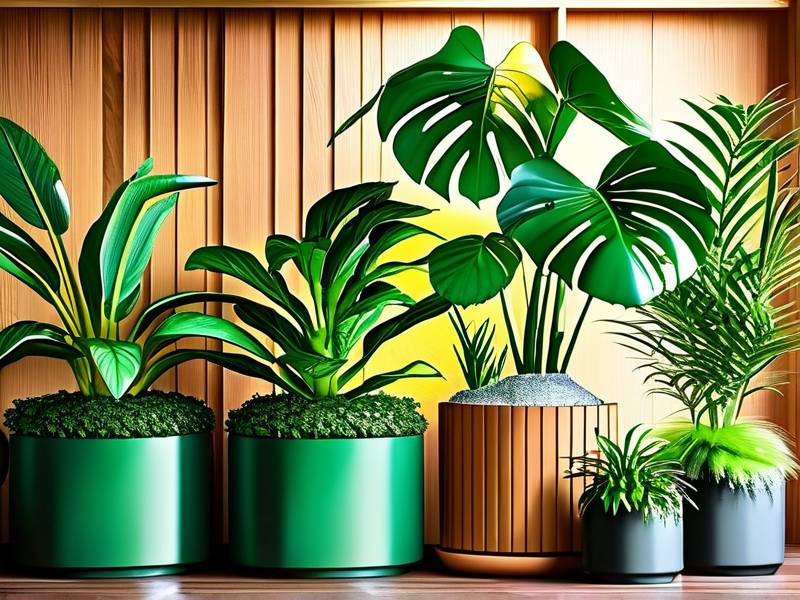
Where you place your plant is the single most important decision you will make for its long-term health. It sets the stage for everything else. Follow this placement checklist.
Match the Plant to the Light First, identify your plant. A Monstera deliciosa or Fiddle Leaf Fig craves bright, indirect light. A Snake Plant or ZZ Plant tolerates lower light. Observe the natural light in your room throughout the day. North-facing windows offer soft light, east-facing provide gentle morning sun, west-facing bring stronger afternoon light, and south-facing are the brightest. Place your large green plant accordingly, using a light meter app for precision if needed. Remember, “bright, indirect light” often means near a window but shielded by a sheer curtain or set back from the direct rays.
Avoid Temperature Extremes and Drafts Keep your plant away from heating vents, radiators, air conditioning units, and frequently opened doors or drafty windows. Most tropical large green plants prefer consistent temperatures between 65°F and 80°F (18°C - 27°C). Fluctuations outside this range can trigger stress and yellowing.
Consider Humidity and Airflow Many popular large plants, like Monsteras and Philodendrons, are tropical natives. Average home humidity (around 30-40%) can be too low for them, leading to brown, crispy leaf tips. Placing plants in naturally humid rooms like bathrooms (if light is adequate) or grouping plants together can help. Ensure there is gentle airflow around the plant to prevent pest infestations and fungal diseases, but avoid strong drafts.
The Practicalities of Space Ensure there is enough room for the plant to grow both upward and outward. Crowding it into a tight space can damage leaves and restrict air circulation. Also, place it where you can easily water it without causing a mess—a large saucer or a decorative cache pot is essential.
A Step-by-Step Care Routine to Prevent Yellow Leaves
With perfect placement secured, a consistent care routine is your next line of defense.
Watering Wisdom: Quality and Quantity For large green plants, the “soak and dry” method is king. Water thoroughly until water runs freely from the drainage holes, ensuring the entire root ball is moistened. Then, let the top 1-2 inches of soil dry out completely before watering again. Use your finger or a moisture meter to check. The Royal Horticultural Society (RHS) emphasizes that “overwatering is the most common cause of plant death,” advising that “it’s better to underwater slightly than overwater.” Always use room-temperature water to avoid shocking the roots.
Feeding for Foliage: Fertilizer Fundamentals Feed your large green plant during its active growing season (spring and summer). Use a balanced, water-soluble fertilizer diluted to half-strength every 4-6 weeks. The American Horticultural Society (AHS) notes that “over-fertilization can cause salt buildup in the soil, which damages roots and leads to leaf burn and yellowing.” In fall and winter, reduce feeding to once every 2-3 months or stop altogether as growth slows.
Soil and Repotting: The Foundation of Health Use a well-draining, high-quality potting mix. For most large green plants, a mix containing peat, perlite, and pine bark provides a good balance of moisture retention and aeration. Repot every 2-3 years, or when you see roots circling the bottom of the pot or growing out of the drainage holes. Choose a new pot only 1-2 inches larger in diameter to prevent excess soil from staying wet too long.
Consistent Cleaning and Inspection Dust on large leaves blocks sunlight. Wipe leaves gently with a damp cloth every few weeks. This is also the perfect time to inspect for early signs of pests like spider mites or scale, which can cause yellow stippling or spots. Early detection is key to easy treatment.
Troubleshooting Specific Yellow Leaf Scenarios
- Lower, older leaves turning yellow slowly: This is often natural senescence. The plant is shedding its oldest leaves to focus energy on new growth. Prune them off cleanly.
- New growth turning yellow: This frequently indicates overwatering or a severe nutrient deficiency (like iron). Check your watering habits first.
- Yellow leaves with brown, crispy edges: Typically a sign of underwatering, low humidity, or fertilizer burn.
- Yellow patterns (veins green, tissue yellow): Classic sign of chlorosis, usually an iron or magnesium deficiency. Apply a chelated iron supplement or Epsom salt solution as directed.
- Sudden, widespread yellowing and leaf drop: Often caused by environmental shock—a sudden move, a severe draft, or a drastic temperature change.
Can I save a yellow leaf once it has turned yellow? No, once a leaf has turned fully yellow, it will not regain its green color. The chlorophyll is gone. The best action is to prune it off. This allows the plant to redirect its energy into producing new, healthy growth and maintaining its existing green leaves.
How often should I really water my large Fiddle Leaf Fig? There is no universal schedule. It depends on your home’s light, temperature, and humidity. The only reliable method is to check the soil. For a Fiddle Leaf Fig, allow the top 2-3 inches of soil to dry out completely between waterings. In a typical indoor setting, this might mean watering every 7-10 days in summer and every 10-14 days or longer in winter.
My plant is in the right light and I water correctly, but it still has yellow leaves. What’s wrong? Consider these often-overlooked factors. First, test your soil’s pH. If it’s too high (alkaline), it can lock up nutrients, making them unavailable to the plant even if they’re in the soil. Second, evaluate humidity levels. Third, ensure the pot has adequate drainage and the roots are not sitting in water in a hidden cache pot. Finally, reflect on any recent changes—even moving the plant a few feet can sometimes cause temporary stress.
Caring for large green plants is a rewarding practice that deepens your connection to the natural world inside your home. Success hinges on thoughtful indoor placement that respects the plant’s light and environmental needs, coupled with a disciplined yet simple care routine centered on proper watering. By learning to read your plant’s signals—viewing yellow leaves not as failure but as valuable communication—you become an attentive caretaker. With patience and these applied tips, your large green companion will reward you with robust health, lush foliage, and the enduring beauty that makes indoor gardening so worthwhile.