bluename
 How to Care for Mini Green Plants: Desktop Placement No Wilting Care Essentials
You brought home a charming mini green plant to brighten your desk, full of hope. But within weeks, the leaves turn yellow, the stems droop, and that vibrant green fades to a sad, wilted brown. Sound familiar? You're not alone. Keeping small plants thriving in the unique environment of a desktop or office space is a common challenge. The good news is that with the right knowledge, achieving lush, non-wilting greenery on your desk is entirely possible. This guide provides the complete care essentials for desktop mini green plants, transforming you from a worried plant owner into a confident indoor gardener.
Understanding Your Mini Green Plant's Basic Needs
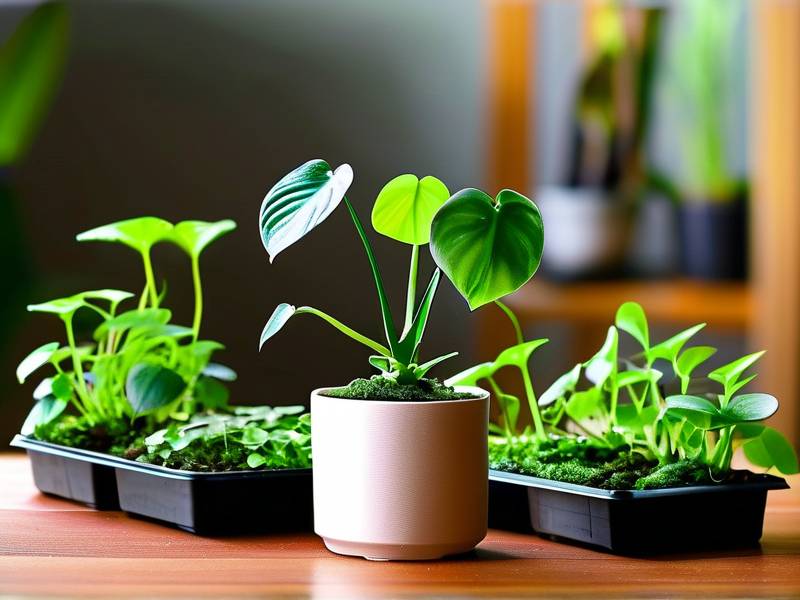
Before diving into specific care, it's crucial to understand that mini plants are not just decorations; they are living organisms with fundamental requirements. On a desk, they face specific constraints: limited light, artificial climate control, and often irregular care. Success starts with choosing the right plant and understanding its language.
Selecting the Right Plant for Your Desk Environment
Not all plants are created equal for desktop life. The key is to match the plant's natural needs with your specific desk conditions, primarily light.
Assessing Your Desktop Light Conditions
Light is the most critical factor. Is your desk near a bright, sunny window? Is it in a cubicle with only overhead fluorescent lights? Or does it receive moderate, indirect light? Observe your space throughout the day. Low-light tolerant plants are the safest bet for most office settings.
Top Recommended Mini Desktop Plants (Hard to Wilt)
Here are some champions of resilience, perfect for beginners and busy professionals:
- Snake Plant (Sansevieria): The ultimate survivor. It tolerates very low light, infrequent watering, and purifies the air. Its upright growth is perfect for small spaces.
- ZZ Plant (Zamioculcas zamiifolia): Thrives on neglect. Its glossy leaves store water, making it incredibly drought-tolerant and adaptable to low light.
- Pothos (Epictum aureum): A fast-growing, trailing vine that does well in various light conditions. It visibly droops when thirsty, making it an excellent "teacher" plant.
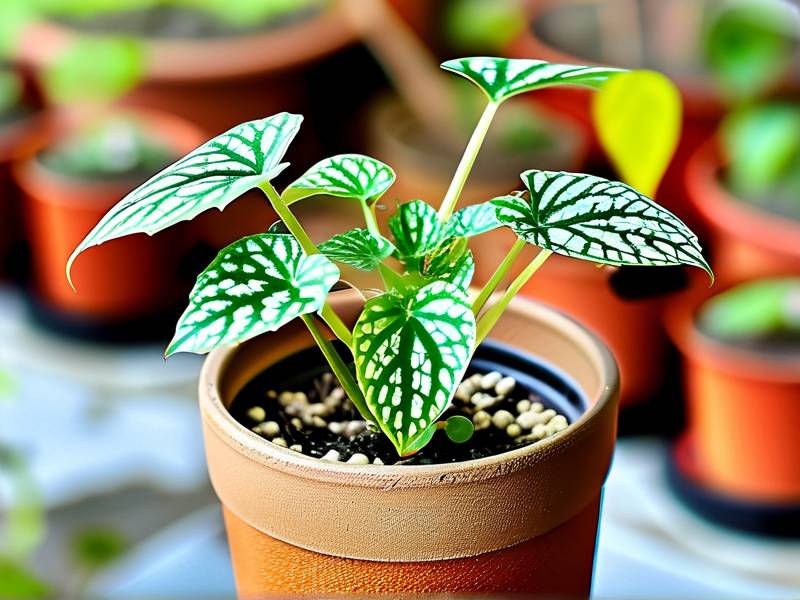
- Chinese Money Plant (Pilea peperomioides): Prefers bright, indirect light. Its unique, pancake-shaped leaves add a modern touch and it's relatively easy to care for.
- Succulents (e.g., Haworthia, Echeveria): Ideal for sunny desks. They require bright light and very well-draining soil. Overwatering is their main enemy.
The No-Wilting Watering Strategy: Less is Often More
Overwatering is the #1 cause of wilting and death in mini desktop plants. A small pot on a desk evaporates water differently than a large houseplant.
How to Check When to Water
Forget the calendar. The "finger test" is your best tool. Insert your finger about an inch into the soil. If it feels dry, it's time to water. If it feels damp, wait. For succulents and cacti, let the soil dry out completely between waterings.
Proper Watering Technique for Small Pots
When you water, do so thoroughly. Pour water evenly over the soil until it runs out of the drainage holes at the bottom. This ensures the entire root ball gets moisture. Never let your plant sit in a saucer full of water—this leads to root rot, a sure path to wilting. Empty the saucer after 15 minutes.
The Role of Proper Drainage
As the Royal Horticultural Society (RHS) emphasizes, "Good drainage is essential for almost all pot plants." Always choose a pot with drainage holes. If you love a decorative pot without holes, use it as a cache pot: place the plastic nursery pot with drainage inside it, and remove it to water.
Light: The Energy Source for Non-Wilting Growth
Without adequate light, plants cannot produce the energy to stay firm and green. They become "leggy" (stretched) and weak, leading to wilting.
Signs Your Plant Needs More or Less Light
- Not enough light: Slow growth, small new leaves, leaning severely toward the light source, loss of variegation (color patterns).
- Too much direct sun: Scorched, brown, crispy patches on leaves, especially on plants labeled for low or indirect light.
Optimizing Artificial Light for Office Desks
If natural light is scarce, a simple small LED grow light can be a game-changer. A compact, clip-on lamp providing full-spectrum light for 6-8 hours a day can keep your plants photosynthesizing happily, preventing the weak growth that leads to wilting.
Soil and Fertilizer: The Foundation of Health
The right soil provides support, nutrients, and the crucial air/water balance for roots.
Choosing the Best Potting Mix
A general, well-draining potting mix is suitable for most tropical plants. For succulents and cacti, use a specialized succulent/cactus mix or amend regular potting soil with perlite or coarse sand to dramatically improve drainage. The American Horticultural Society (AHS) advises that "a good potting mix is loose, well-aerated, and able to hold moisture and nutrients."
Fertilizing Mini Plants Without Overdoing It
Mini plants in small pots need very little fertilizer. During the active growing season (spring and summer), a half-strength dose of a balanced liquid fertilizer once a month is sufficient. Do not fertilize in fall and winter when growth slows. Over-fertilization can burn roots and cause leaf tip burn, mimicking wilting symptoms.
Humidity and Temperature: Creating a Stable Microclimate
Desks near vents or in dry, air-conditioned/heated offices can create a harsh environment.
Boosting Humidity for Tropical Plants
Grouping plants together creates a microclimate of higher humidity. You can also place a small humidifier nearby or set the pot on a pebble tray filled with water (ensure the pot sits above the waterline). Misting provides a very temporary boost and is not a substitute for these methods.
Avoiding Temperature Stressors
Keep plants away from direct blasts from heating vents, air conditioners, and drafty windows. Most common houseplants prefer temperatures between 65-75°F (18-24°C), which aligns with most office settings.
Pruning and Maintenance for Compact Growth
Regular care keeps your plant looking its best and directs energy to healthy growth.
Cleaning Leaves for Better Photosynthesis
Dust on leaves blocks light. Gently wipe leaves with a damp cloth every few weeks to keep them shiny and efficient at absorbing light.
Pruning to Encourage Bushiness
Pinch off the very tips of vining plants like Pothos to encourage branching, creating a fuller plant. Regularly remove any yellow or dead leaves to prevent potential disease and redirect energy.
Troubleshooting Common Wilting Problems
Even with great care, issues can arise. Here’s how to diagnose them:
- Wilting with Wet Soil: Likely root rot from overwatering. Stop watering immediately. You may need to remove the plant, trim away black/mushy roots, and repot in fresh, dry soil.
- Wilting with Dry, Crispy Leaves: Underwatering and/or very low humidity. Give the plant a thorough drink and consider humidity-boosting techniques.
- General Droopiness and Pale Leaves: Often a sign of insufficient light. Move the plant to a brighter location or supplement with a grow light.
FAQ
How often should I water my mini succulent on my desk? There's no set schedule. For succulents, always wait until the soil is completely dry throughout the pot. This could be every 2-4 weeks, depending on light and temperature. When in doubt, wait another few days. It's far safer to underwater a succulent than to overwater it.
My plant is leaning heavily to one side. What should I do? This is called phototropism—the plant is reaching for light. First, rotate the pot a quarter turn every week to encourage even growth. If the leaning is severe, the plant likely needs a brighter location. You can stake it gently for support as it corrects itself.
Do I need to repot my mini plant? Only when it becomes "root-bound," meaning roots are circling densely at the bottom and growing out of the drainage holes, or the plant dries out extremely quickly. When repotting, choose a pot only 1-2 inches larger in diameter. Repotting into too large a pot holds excess moisture, leading to root rot.
Caring for mini green plants on your desk is a rewarding practice that brings life and calm to your workspace. The core principles are simple: choose a suitable plant, water deeply but infrequently, provide the best light possible, and use a pot with drainage. By paying attention to your plant's signals—firm, perky leaves and steady growth—you’ll master the art of keeping your desktop greenery vibrant and wilting-free. Start with one resilient plant, apply these desktop placement care essentials, and enjoy the growing confidence that comes with a thriving mini garden at your fingertips.