bluename
 How to Care for Variegated Green Plants - Clear Patterns No Reversion Care Guide
You've finally found it—the perfect variegated plant with stunning, painterly leaves. It was love at first sight. But now, a creeping anxiety sets in. That brilliant white or creamy yellow streak on your Monstera is looking a little less crisp. New leaves seem to be emerging with more solid green than before. Is your prized plant losing its signature look? You're not imagining it. This frustrating phenomenon is called reversion, and it's the number one fear for collectors of variegated greenery. But don't despair. Keeping those patterns clear and vibrant isn't a matter of luck; it's a science. This definitive guide will walk you through the exact steps to care for your variegated green plants and prevent that disappointing fade back to plain green.
Understanding Variegation: It's All in the Cells
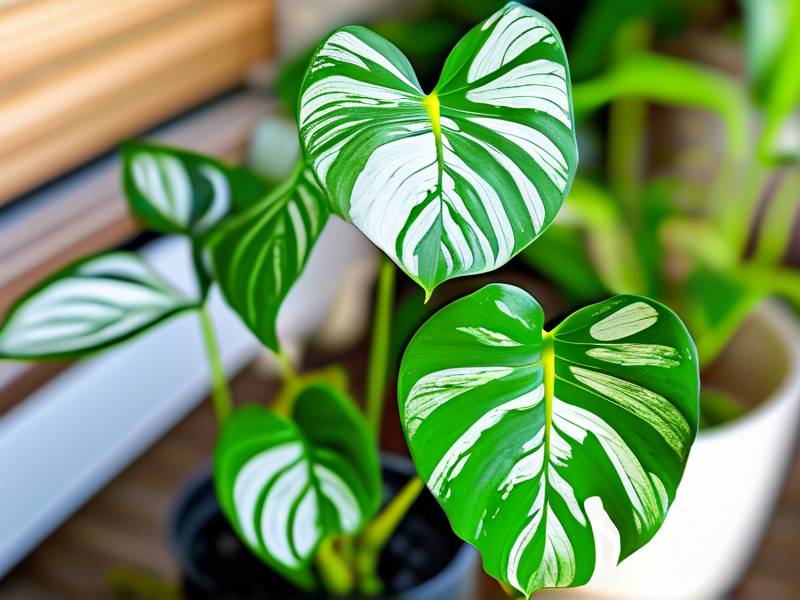
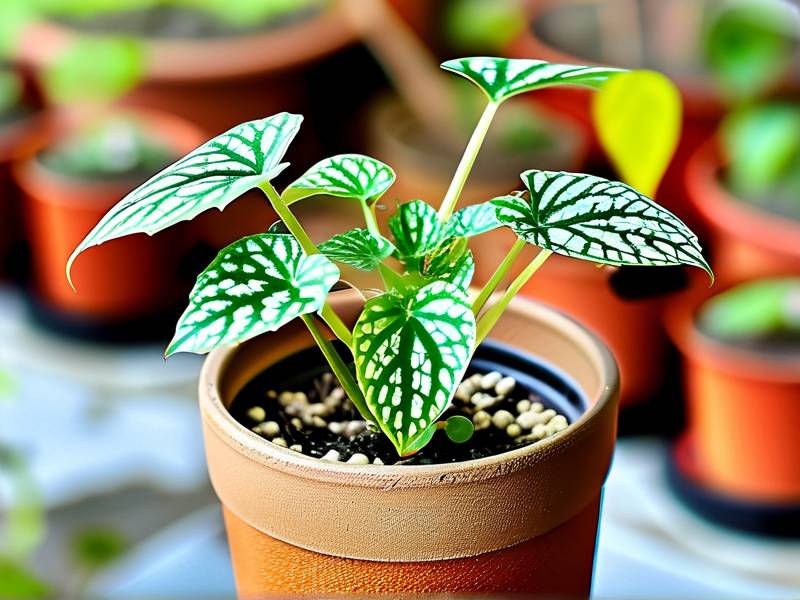
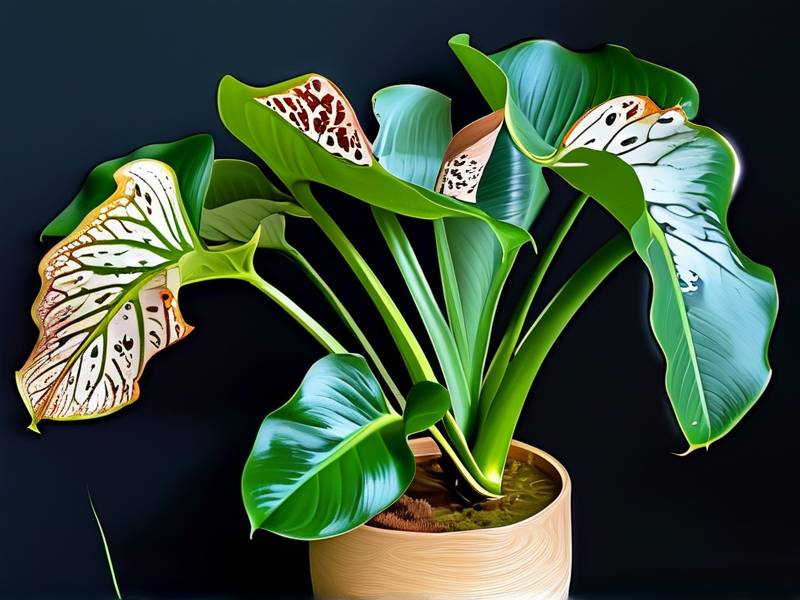
Before we dive into care, let's understand what we're working with. Variegation isn't just paint on a leaf; it's a genetic characteristic. In the stunning patterns of plants like the Variegated Monstera Deliciosa (often called the Albo) or the Marble Queen Pothos, certain leaf cells lack chlorophyll, the green pigment essential for photosynthesis. These white or yellow sections are beautiful but functionally "lazy." The plant's survival instinct is to produce more efficient, all-green leaves to maximize energy production. Your job is to carefully manage the environment to satisfy the plant's needs while discouraging this reversion.
The Golden Rule: Light is Your Best Ally
This is the single most important factor. Variegated plants need significantly more light than their fully green counterparts. Those pale sections can't contribute food, so the green parts must work overtime.
Provide Bright, Indirect Light Place your plant near a bright east or west-facing window. A spot that gets gentle morning or late afternoon sun is ideal. A north-facing window may not be sufficient, while harsh southern exposure could scorch the delicate pale areas. Observe the shadows: a soft, defined shadow indicates good light levels.
Consider Grow Lights For homes with limited natural light, full-spectrum LED grow lights are a game-changer. They provide the consistent, high-quality light needed to maintain strong variegation, especially during gloomy winters. Aim for 12-14 hours of light per day.
The Balancing Act: Watering and Humidity
Watering becomes a tighter balancing act with variegated specimens. Less chlorophyll means a slightly slower overall growth rate and different water uptake.
Water Deeply, But Less Frequently Always check the soil moisture first. The classic advice is to water when the top 1-2 inches of soil are dry. For many variegated plants, like Philosodendrons with variegated leaves, it's safer to let them dry out a bit more than their all-green relatives. Soggy soil stresses the plant, triggering a survival reversion. Ensure your pot has excellent drainage.
Boost Humidity Levels Most variegated tropical plants thrive in humidity levels of 60% or higher. Dry air can cause crispy edges on those beautiful white sections. Use a humidifier, place the plant on a pebble tray with water, or group it with other plants to create a microclimate. According to insights from the Royal Horticultural Society (RHS), maintaining adequate ambient moisture is key for sustaining delicate leaf tissue in variegated cultivars.
Strategic Feeding: Less is More
Fertilizing a variegated plant requires a gentle touch. The goal is to support health without encouraging a burst of all-green growth.
Use a Balanced, Diluted Fertilizer During the active growing season (spring and summer), feed your plant with a balanced, water-soluble fertilizer (like a 10-10-10 or 20-20-20 formula) diluted to half the recommended strength. Do this monthly. As noted by the American Horticultural Society (AHA), over-fertilization can force rapid, often less variegated growth and lead to harmful salt buildup in the soil.
Stop Feeding in Dormancy In fall and winter, when growth slows, cease fertilization entirely. The plant's energy needs drop, and feeding it can do more harm than good.
The Crucial Step: Pruning for Pattern Preservation
When you see a shoot or leaf that has completely reverted to solid green, you must act decisively. This isn't just about aesthetics; that all-green section is a powerhouse. It will outcompete the variegated parts for resources, and the plant will direct more energy to producing more green growth.
Identify and Remove Reverted Growth Trace the reverted stem back to its point of origin. Using clean, sharp shears, cut it off completely, just above a node (the bump on the stem where leaves emerge). This redirects the plant's energy back to the variegated sections.
Propagate Selectively You can propagate the cuttings from your well-variegated stems! Ensure your cutting includes at least one node and a leaf with strong variegation. This practice allows you to multiply your favorite patterned plants and share them with fellow enthusiasts.
Choosing the Right Plant and Pot
Success starts at the beginning. When purchasing a variegated plant, look for one with stable, clear patterning on the stems as well as the leaves. Stem variegation is a key indicator of future leaf patterns.
Opt for a Snug Pot Variegated plants generally prefer to be slightly root-bound. A pot that's too large holds excess moisture, increasing root rot risk. Repot only when roots circle the bottom of the pot, and only go up one pot size (1-2 inches larger in diameter).
Use a Well-Aerated Mix A chunky, airy potting mix is non-negotiable. Combine a high-quality indoor potting soil with amendments like orchid bark, perlite, and horticultural charcoal. This ensures quick drainage and plenty of oxygen for the roots.
Why is my variegated plant putting out smaller leaves? This is often a light issue. Smaller leaves indicate the plant isn't receiving enough energy. Increase light exposure gradually. It can also be a sign of nutrient deficiency, so ensure you are following a gentle feeding schedule during the growing season.
Can a fully reverted leaf ever turn variegated again? No, once a leaf has reverted, it will remain solid green for its lifespan. The focus should be on encouraging new growth from variegated sections of the stem. By pruning reverted growth, you signal the plant to produce new shoots from nodes with variegated tissue, which have a higher chance of producing patterned leaves.
Is misting an effective way to increase humidity? While popular, misting provides only a very temporary spike in humidity and can promote fungal diseases on leaves if water sits in the crevices. For consistent humidity crucial to prevent browning in variegated foliage, a room humidifier or pebble tray method is far more effective and recommended by horticultural experts.
Caring for variegated plants is a rewarding practice that blends art with science. It demands a more observant and tailored approach than caring for standard houseplants. By mastering the interplay of intense light, careful watering, strategic pruning, and balanced feeding, you become an active partner in your plant's expression. You're not just keeping it alive; you're cultivating and preserving its unique, living artwork. Remember, every patterned leaf is a testament to your attentive care. Stay vigilant, respond to your plant's signals, and enjoy the dynamic beauty of foliage that refuses to be ordinary.