bluename
 How to Care for Clumping Green Plants - Full Shape No Sparseness Care Secrets
You've brought home a beautiful, lush clumping green plant, envisioning a vibrant, dense focal point for your space. But over time, the reality sets in: the once-full plant starts to look sparse, leggy, and uneven. Instead of a compact, verdant mound, you're left with gaps, yellowing leaves, and a disappointing silhouette. This common frustration stems from a misunderstanding of what these specific plants truly need to thrive and maintain their signature dense form. Achieving that coveted full, non-sparse shape isn't about luck; it's a science rooted in understanding light, strategic pruning, and precise nourishment. This guide will demystify the process, transforming your care routine from guesswork into a confident, results-driven practice.
Understanding Clumping Growth Habits
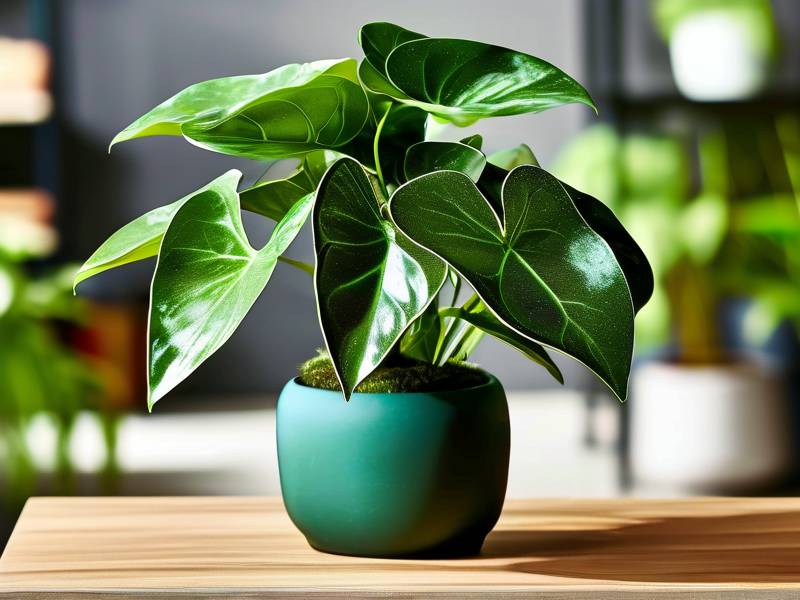
Unlike vining or tree-like plants, clumping varieties grow in tight clusters from a central base or through multiple shoots emerging from the soil. Their natural architecture is meant to be bushy. However, without proper conditions, they will stretch toward light, produce fewer offshoots, and shed lower leaves, leading to that sparse, "leggy" appearance we want to avoid. Recognizing this growth pattern is the first step in proactive care.
The Pillars of Perfect Density: Light, Water, and Soil
The foundation of a non-sparse, full clumping plant lies in mastering three core elements. Neglecting any one of these can trigger thinning and poor growth.
Optimal Light Exposure for Compact Growth
Light is the single most critical factor in preventing sparseness. Insufficient light is the primary cause of etiolation—the process where stems become abnormally elongated and weak as they reach for a light source.
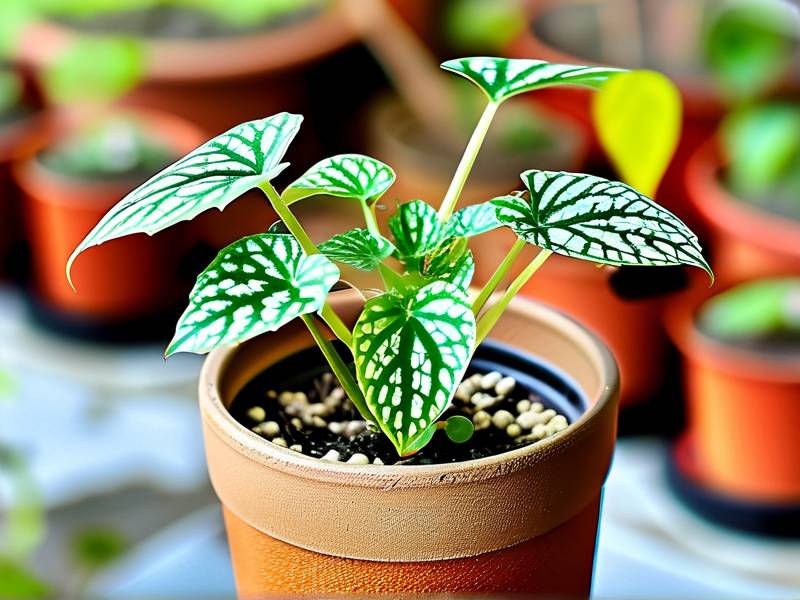
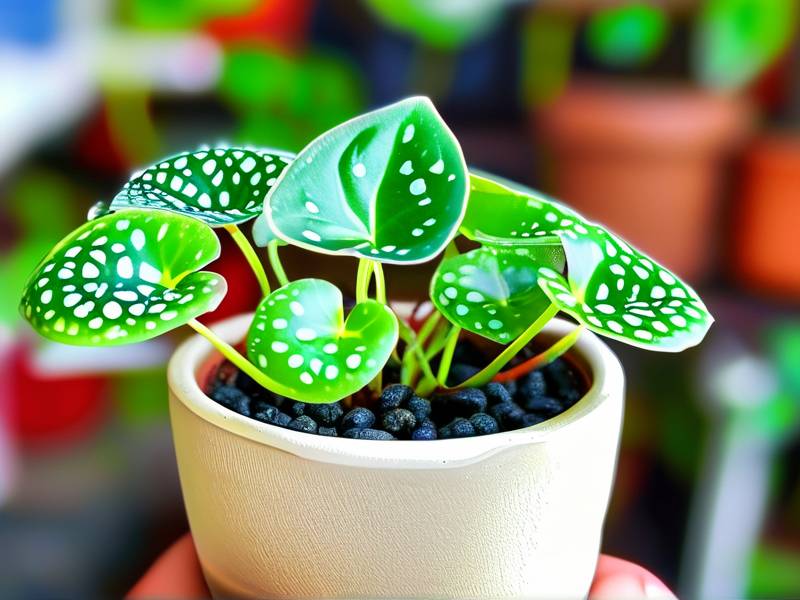
- Ideal Conditions: Most clumping green plants (like certain Dracaena, Spider Plants, or Peperomia) prefer bright, indirect light. A spot near an east or north-facing window is often perfect. Direct, harsh afternoon sun can scorch leaves, while deep shade encourages legginess.
- Pro Tip: Rotate your plant a quarter turn every time you water. This ensures all sides receive even light exposure, promoting uniform growth and preventing one-sided sparse areas. As noted in several horticultural best practices, consistent, even lighting is key to symmetrical form.
Watering Wisely to Avoid Stress
Both overwatering and underwatering can cause leaf drop and sparse canopies. The goal is consistent moisture without waterlogging.
- The Golden Rule: Always check the soil before watering. For many clumping plants, the top 1-2 inches of soil should dry out between waterings. Use your finger as a probe.
- Technique Matters: Water thoroughly until it runs freely from the drainage holes, then allow all excess water to drain away completely. This encourages deep root growth, which supports a robust and full top structure. According to the Royal Horticultural Society (RHS), "watering thoroughly and allowing the compost to dry out slightly between waterings is better than giving small amounts frequently."
The Right Soil Mix: Foundation for Health
A dense plant needs a strong root system, and that starts with the soil. A well-draining, aerated potting mix is non-negotiable.
- What to Use: A standard potting mix amended with perlite or orchid bark is excellent. This provides structure, retains some moisture, but prevents compaction and root rot.
- Why It Matters: Compacted, soggy soil suffocates roots. Stressed roots cannot support lush, dense foliage, leading to overall decline and sparseness. Repot every 1-2 years in fresh mix to replenish nutrients and maintain soil structure.
Advanced Techniques for a Fuller Shape
Once the basics are mastered, these proactive techniques will actively encourage your plant to become denser and bushier.
Strategic Pruning and Pinching
This is your most powerful tool for combating sparseness and shaping your plant. Pruning isn't just about damage control; it's about directing energy.
- Pinching: For herbaceous clumping plants, regularly pinch off the very tip of a stem (just above a leaf node) using your fingers or clean shears. This removes the apical bud, which secretes hormones that suppress growth from lower buds. Pinching encourages the plant to branch out from lower nodes, creating two or more stems where there was one.
- Cutting Back Leggy Stems: Don't be afraid to cut a leggy stem back by one-third to one-half. Make your cut just above a leaf node. The plant will typically respond by producing one or two new growth points from that node, filling in the bare area below.
The Art of Fertilization: Fuel for Foliage
A nutrient-deficient plant cannot produce abundant, healthy new growth. Fertilizer provides the building blocks for dense foliage.
- Type and Schedule: During the active growing season (spring and summer), feed your clumping green plant with a balanced, water-soluble fertilizer (e.g., a 10-10-10 formula) diluted to half-strength every 4-6 weeks. As recommended by the American Horticultural Society (AHS), "over-fertilizing can cause more problems than under-fertilizing," so err on the side of caution.
- What to Avoid: High-nitrogen fertilizers can promote soft, weak growth. A balanced feed supports overall sturdy development. Cease fertilization in fall and winter when growth naturally slows.
Propagation to Fill In and Refresh
Is your plant sparse at the base but healthy on top? Use propagation to create new plants that can be added back into the same pot for instant fullness.
- Division: For plants that naturally form separate clumps (like many ferns or grasses), gently remove the plant from its pot and tease apart the root ball into two or more sections. Replant each section together in a fresh pot for a immediately denser look.
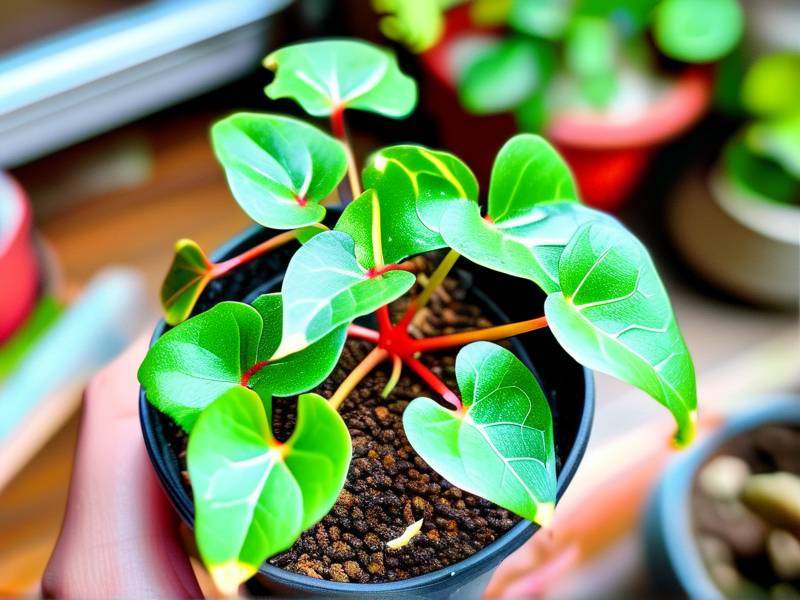
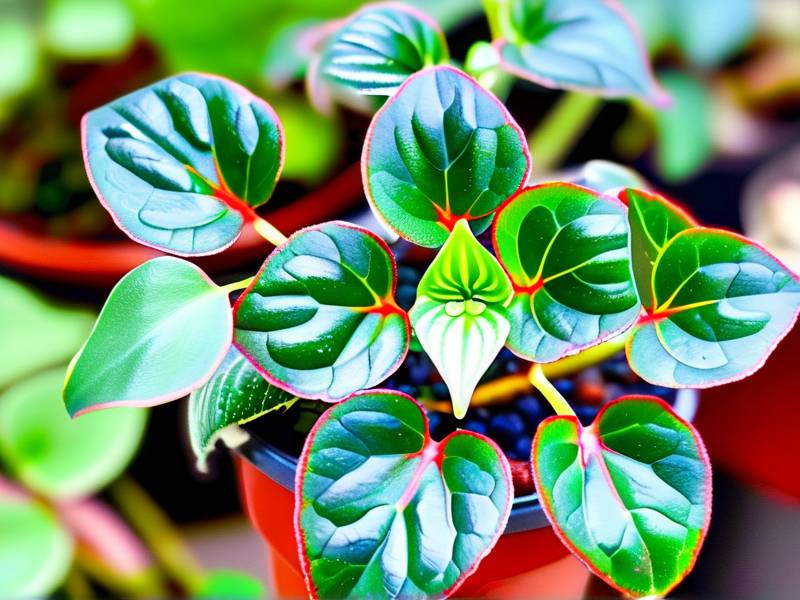
- Stem Cuttings: For plants like Tradescantia or Peperomia, take 3-4 inch stem cuttings, remove the lower leaves, and place them in water or soil. Once rooted, plant these cuttings around the perimeter of the mother plant's pot. This "circle planting" technique is a secret of professional growers for achieving a perfectly full, non-sparse presentation.
Troubleshooting Common Causes of Sparseness
Even with great care, issues can arise. Here’s how to diagnose and fix them.
- Yellowing Lower Leaves: This is often a natural process of older leaves dying off. However, if excessive, it can indicate overwatering, underwatering, or a need for fertilizer. Check your soil moisture routine first.
- Leggy Growth with Large Gaps Between Leaves: This is a classic sign of insufficient light. Relocate the plant to a brighter location (with indirect light) and consider pruning back the leggy stems to encourage bushier regrowth.
- Overall Slow Growth and Thin Foliage: Likely a nutrient issue or the plant being root-bound. Check if roots are circling the pot's bottom. If so, repot into a container one size larger. Implement a consistent fertilizing schedule during the growing season.
How often should I repot my clumping plant to maintain its fullness? Repotting is typically needed every 1-2 years, or when you see roots growing out of the drainage holes. Spring is the best time. Repotting into fresh soil replenishes nutrients and gives roots room to expand, which is essential for supporting dense top growth. Avoid potting into a container that is excessively larger, as too much soil can stay wet and cause root issues.
Can I use grow lights to prevent my plant from getting sparse? Absolutely. Full-spectrum LED grow lights are an excellent solution for homes with low natural light. Position the light 6-12 inches above the plant and provide 12-14 hours of light per day. This provides the consistent, high-quality light needed for compact, dense growth without the risk of etiolation.
Is misting beneficial for creating a full clumping plant? While misting can temporarily increase humidity, its effect is very short-lived. For most common clumping houseplants, it does not significantly impact leaf growth or density. To truly promote lush growth in humidity-loving varieties, use a pebble tray filled with water placed under the pot or a small room humidifier. This provides a more consistent humid microenvironment.
Cultivating a dense, non-sparse clumping green plant is a rewarding journey of observation and slight adjustments. It hinges on providing bright, indirect light to discourage leggy stretching, employing strategic pruning to direct growth energy into branching, and supporting the plant with consistent watering and seasonal feeding. Remember that patience is key; the results of your pruning and care adjustments will become visibly apparent over the next growing season. By viewing your plant not as a static object but as a dynamic, responsive living system, you can guide it to express its fullest, most lush potential, transforming any sparse disappointment into a thriving, verdant centerpiece.