bluename
 How to Care for Vriesea Splendens - Long-Lasting Spadix No Wilting Care Methods
You've brought home a stunning Vriesea splendens, captivated by its dramatic, sword-like foliage and that iconic, fiery red flower spike. But now, the worry sets in. How do you keep that magnificent bloom from wilting prematurely? Why are the leaf tips turning brown? Achieving a long-lasting spadix and vibrant plant isn't about luck—it's about understanding its specific needs. This guide delivers the precise, expert-backed methods to ensure your Flaming Sword plant thrives, not just survives, with a bloom that endures.
Understanding Your Vriesea Splendens
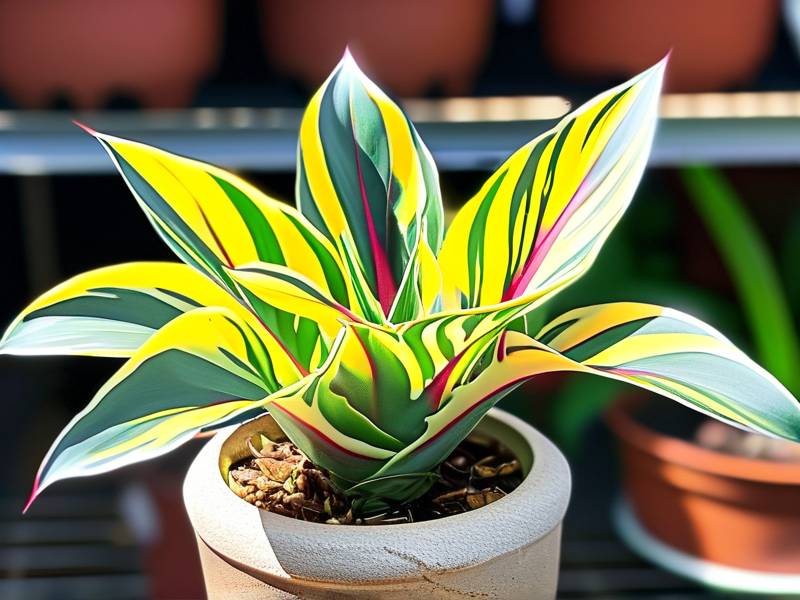
Vriesea splendens, commonly known as the Flaming Sword plant, is a standout bromeliad. It's an epiphyte, meaning in its native tropical American habitats, it grows on trees rather than in soil. This key fact shapes every aspect of its care. The plant forms a central water-holding "vase" or "tank." Its most prized feature is the long-lasting, flat flower spike (spadix) that can remain vibrantly colored for months. Proper care focuses on replicating its natural, humid, and bright environment.
The Core Pillars of Care for a Long-Lasting Bloom
Light: The Brightness Balance
Light is the foremost factor influencing the health of your Vriesea splendens and the longevity of its spadix. Insufficient light leads to a faded, greenish bloom that weakens quickly and prevents future flowering. Harsh, direct sun, however, will scorch the leaves, causing bleached or brown patches.
Provide bright, indirect light. An east-facing window is ideal. A south or west window is acceptable if filtered by a sheer curtain. According to the American Horticultural Society's light guide, bromeliads like Vriesea thrive in "filtered or dappled sunlight," similar to the forest understory. If natural light is low, consider a broad-spectrum grow light placed about a foot above the plant for 10-12 hours daily.
Watering: The Tank and Soil Method
Forget watering the soil like a typical houseplant. The central tank is your primary watering point. Keep this vase about one-quarter full of fresh water. Stagnant water invites rot and mosquito larvae. Flush the tank completely every week by tipping the plant, refilling it with fresh, room-temperature water. Use distilled, rainwater, or filtered water to prevent unsightly mineral deposits on the leaves.
The growing medium should be moist but never soggy. Water the potting mix only when the top inch feels dry to the touch. The Royal Horticultural Society (RHS) emphasizes that for epiphytic bromeliads, "over-watering is more detrimental than under-watering," as it leads to fatal root rot. A well-draining mix is non-negotiable.
Humidity and Temperature: Recreating the Tropics
Vriesea splendens demands moderate to high humidity (50-60%+) for optimal health and to support its long-lasting spadix. Low humidity causes the vibrant leaf and bract colors to dull and leads to crispy, brown leaf tips.
Group plants together, use a humidity tray (a pebble-filled tray with water), or employ a room humidifier. Misting is a temporary boost but is less effective than maintaining ambient humidity. Maintain temperatures between 65°F and 80°F (18°C - 27°C). Protect the plant from cold drafts and sudden temperature drops below 50°F (10°C).
Soil and Fertilization: Less is More
These plants have minimal root systems designed for anchorage, not heavy nutrient uptake. Use a specialized bromeliad or orchid mix. These blends typically contain bark, perlite, and coarse peat, ensuring rapid drainage and excellent aeration.
Fertilize sparingly to nourish the plant and extend the spadix's life. During the growing season (spring and summer), use a balanced, water-soluble fertilizer diluted to 1/4 or 1/2 strength. Apply it directly to the tank and the soil, once a month. The AHS advises against over-fertilizing bromeliads, as it "can lead to excessive foliage growth at the expense of the flower." In fall and winter, cease feeding.
Post-Bloom Care and Pup Propagation
The magnificent flower spike will eventually fade after several months. Don't despair; this is the natural cycle. Once the bloom is completely spent, cut the flower stalk off at its base. The mother plant (the "pup") will gradually decline over the next year or two, but not before producing offsets, called "pups," at its base.
Allow these pups to grow until they reach about one-third to half the size of the mother plant. They will have developed their own root systems. Using a sterile knife, carefully separate the pup. Pot it in a small container with fresh bromeliad mix. With proper care, this new plant will mature and produce its own spectacular, long-lasting spadix in 2-3 years.
Troubleshooting Common Issues
- Brown Leaf Tips: Almost always a sign of low humidity or using hard tap water. Increase ambient humidity and switch to purified water in the tank.
- Fading or Wilting Spadix: Caused by insufficient light, overwatering the soil, or the natural end of its lifespan. Ensure bright, indirect light and check your watering routine.
- Soft, Mushy Base or Leaves: A classic sign of root or crown rot from overwatering the potting mix or letting the tank water stagnate. Cut away mushy parts, let the plant dry, and restart with correct watering.
- Pests: Scale or mealybugs can occasionally appear. Wipe leaves with a cotton swab dipped in rubbing alcohol or apply insecticidal soap.
Why won't my Vriesea splendens flower again? The mother plant flowers only once in its lifetime. After blooming, it focuses energy on producing pups. To see another flower, care for the offsets until they reach maturity, which requires patience and consistent conditions.
Can I use tap water in the central tank? It's not recommended. Minerals in tap water (fluoride, chlorine, calcium) can build up, staining the leaves, blocking the tiny pores, and potentially damaging the plant. Using distilled, filtered, or rainwater prevents these issues and promotes a healthier plant.
How often should I repot my Flaming Sword plant? Infrequently. These plants prefer to be slightly pot-bound and have small root systems. Repot only when the plant becomes top-heavy or the potting medium completely breaks down, typically every 2-3 years. Always use a fresh, well-draining bromeliad mix.
Mastering the care of Vriesea splendens is a rewarding journey. By prioritizing bright, indirect light, perfecting the tank-watering technique, and maintaining adequate humidity, you create an environment where the spectacular spadix can truly shine for months on end. Remember, the plant's lifecycle includes producing new generations. With these methods, you'll not only enjoy a long-lasting bloom but also cultivate a continuing legacy of these remarkable fiery swords in your home.