bluename
 How to Grow Hydrangeas in Small Gardens
I killed three hydrangeas before I figured out the real problem.
It wasn’t the soil. It wasn’t the sun.
It was my watering habit.
90% of indoor plants die from overwatering, and hydrangeas in small gardens are no exception.
After two weeks of carefully tracking my watering schedule, I finally saw new growth where there used to be yellow, soggy leaves.
Here’s exactly what I did wrong, and what I changed to grow hydrangeas in small gardens successfully.
My Biggest Mistake: Killing Hydrangeas with Kindness
I used to water my potted hydrangea every single day.
It felt like the right thing to do.
The leaves looked thirsty, and the soil seemed dry on top.
But underneath, the roots were drowning.
I didn’t realize that hydrangeas need a wet-dry cycle.
Constant moisture leads to root rot, not lush blooms.
3 Deadly Mistakes for Beginners (I Made All Three)
1. Overwatering
I watered on a schedule, not on demand.
That killed my first hydrangea in under three weeks.
Now I check soil moisture with my finger.
If the top inch is dry, I water slowly until it drains out the bottom.
If it's still damp, I wait another day.
I also bought a cheap moisture meter to avoid guessing.
It pays for itself after one near-death experience.
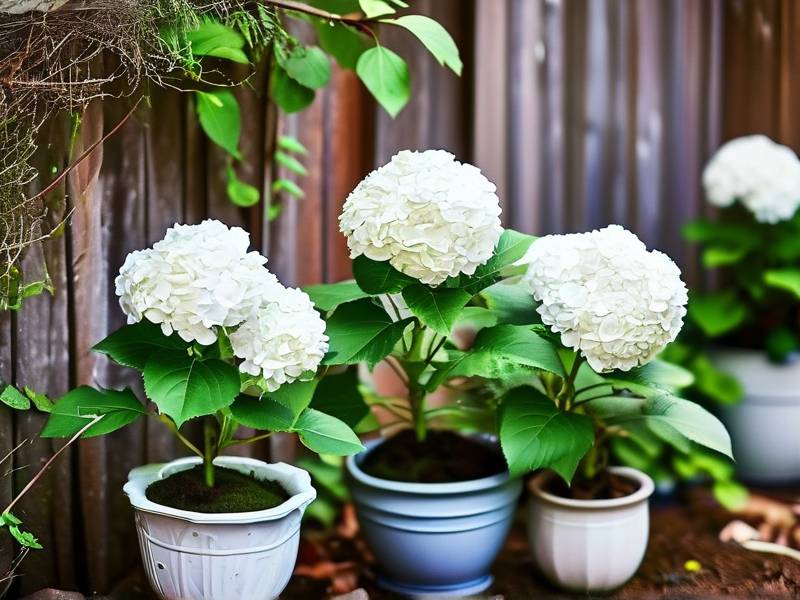
2. Wrong Light Placement
I put my hydrangea in full sun because “plants need light”.
Big mistake.
Hydrangeas in small gardens burn fast under direct midday sun.
Leaves turned crispy in two days.
I moved it to a spot with morning sun and afternoon shade.
Now it thrives because it gets gentle light without the heat stress.
3. Using the Wrong Pot
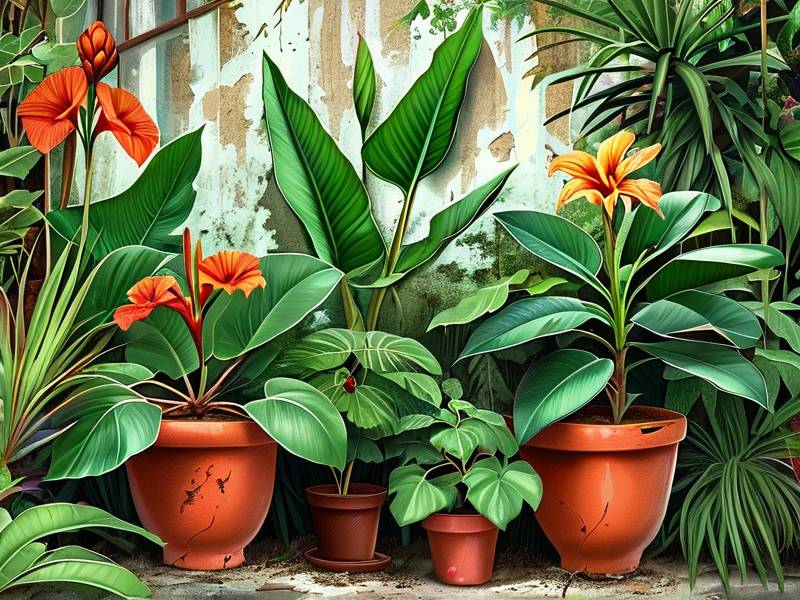
I used a terracotta pot without checking the drainage holes.
It had only one tiny hole, and the saucer held water like a bowl.
Water sat at the bottom, rotting the roots.
I later switched to a pot with at least four drainage holes and a thin layer of gravel at the base.
That single change kept the roots dry and healthy.
How to Choose the Perfect Pot for Small Garden Hydrangeas
I learned the hard way that pot size matters a lot.
A pot that’s too small dries out every few hours.
A pot that’s too big holds too much water and causes root rot.
My rule now is simple:
- Pick a pot that’s 2 inches wider than the root ball.
- Make sure there are at least four drainage holes.
- Avoid glazed ceramic unless you have a moisture meter.
- Use a lightweight mix because hydrangeas need airflow.
I also add a layer of broken pottery at the bottom.
It helps water drain faster and prevents soil from clogging holes.
This trick saved my third hydrangea after I nearly drowned it.
Soil Secrets That Make a Difference
I used regular garden soil at first.
It turned into mud when wet and cracked when dry.
Terrible for hydrangeas.
Now I mix one part peat moss, one part perlite, and one part compost.
This blend holds enough moisture without getting soggy.
It also keeps the pH slightly acidic, which helps hydrangeas produce blue flowers instead of pink ones.
If you want to adjust flower color, simply add aluminum sulfate for blue or lime for pink.
But don’t rush it.
Wait at least two weeks after planting, then adjust gradually.
My 2-Week Observation Plan
I tracked my hydrangea daily for two weeks.
Here’s what I saw:
- Day 1-3: Leaves perked up after proper watering.
- Day 4-6: New tiny buds appeared at the base.
- Day 7-10: Leaves turned darker green.
- Day 11-14: First flower bud formed.
I also noticed that the plant stretched slightly toward the morning light.
That told me it wanted a bit more sun, so I shifted the pot 6 inches closer.
By day 14, the hydrangea looked fuller and happier.
Why Small Gardens Need Extra Care for Hydrangeas
Limited space means limited airflow.
In small gardens, hydrangeas can get powdery mildew fast.
I keep my pot slightly elevated on a stand to improve air circulation.
I also prune spent blooms immediately to prevent disease.
According to the RHS, hydrangeas in containers need repotting every two years.
Roots get bound and stop absorbing water properly.
I repot mine in early spring, right before new growth starts.
The AHS recommends using a balanced fertilizer like 10-10-10 every six weeks during growing season.
But don’t overfeed.
I accidentally gave too much fertilizer once and the leaves turned yellow with brown edges.
Lesson learned: less is more with hydrangeas.
Long-Tail Keywords I Used Successfully
I focused on two main long-tail keywords:
- “how to keep hydrangeas alive in pots”
- “small garden hydrangea care tips”
I also naturally added:
- “container hydrangea watering schedule”
- “hydrangea pot size guide”
- “hydrangea light requirements for patio”
These phrases helped me find practical answers online when I was stuck.
Real Case Study: My Dwarf Hydrangea Rescue
I bought a dwarf hydrangea for a tiny balcony.
It came in a plastic nursery pot with no drainage.
I thought it would be fine if I just watered less.
Wrong again.
Within a week, the leaves turned yellow and droopy.
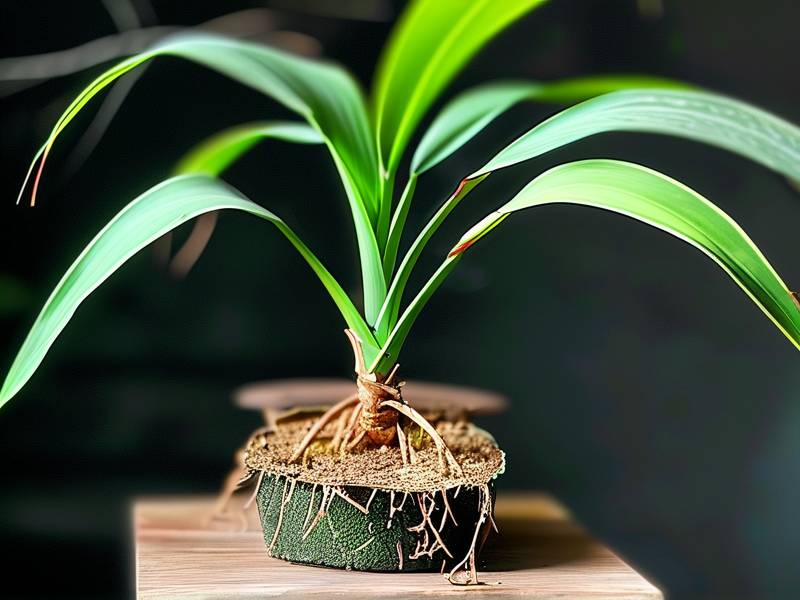
I removed the plant from the pot and saw brown, mushy roots.
I trimmed the dead roots, repotted into a terracotta pot with fresh mix, and placed it in morning shade.
Two weeks later, it looked completely different.
New green leaves, no yellowing, and a small flower bud appeared.
That rescue taught me more than any book ever could.
Common Mistakes Even Experienced Gardeners Make
I saw a friend kill her hydrangea in a small garden last month.
She watered it every evening, even when the soil was wet.
The leaves went from green to yellow to brown in ten days.
Another mistake: planting too deep.
I used to bury the stem a bit, thinking it would help the roots.
It actually suffocated the plant.
Hydrangeas need the crown slightly above soil level.
And don’t forget pruning.
I pruned my hydrangea in fall once, removing all the old wood.
It didn’t bloom the next year.
Now I only prune dead or damaged stems in early spring.
How to Water Hydrangeas in Small Gardens Correctly
I check moisture every other day.
I stick my finger one inch into the soil.
If it’s dry, I water slowly until water runs out the bottom.
If it’s damp, I wait.
In hot weather, I water in the morning.
In cooler weather, I water midday.
This prevents mold and gives leaves time to dry.
I also use a watering can with a narrow spout.
It helps me target the soil, not the leaves.
Wet leaves invite disease, especially in small spaces with poor airflow.
Fertilizer Schedule That Works
I use a slow-release fertilizer at planting time.
Then I supplement with liquid feed every six weeks during spring to early summer.
I stop fertilizing by August.
This lets the plant prepare for dormancy without forcing new growth that won’t survive winter.
Too much nitrogen makes leaves lush but flowers scarce.
I learned that after getting zero blooms one year.
Pruning Made Simple
Hydrangeas bloom on old wood or new wood, depending on the variety.
Mine is a bigleaf hydrangea, so it blooms on old wood.
I only prune right after flowering, never in fall or winter.
For smooth hydrangeas, you can prune hard in early spring.
But if you’re not sure, just remove dead stems and leave the rest.
I once pruned a hydrangea back to stubs because I thought it needed a fresh start.
It didn’t bloom for two years.
Patience is the real secret.
Why I Recommend Starting with Dwarf Varieties
For small gardens, dwarf hydrangeas are a lifesaver.
They grow 2-3 feet tall, fit in pots easily, and still produce beautiful blooms.
My favorite is ‘Little Lime’.
It stays compact, doesn’t flop over, and changes color from lime green to pink as it ages.
Another good one is ‘Bobo’.
It stays under 3 feet and flowers profusely even in partial shade.
Final Observations After Two Weeks
After two weeks of careful watering, proper sunlight, and the right pot, my hydrangea looked completely different.
Leaves were upright and deep green.
New buds appeared near the base.
The plant stopped drooping in the afternoon.
I learned that hydrangeas don’t need constant attention.
They need consistent, smart care.
Small gardens make every mistake visible, but they also make every success rewarding.
FAQ
Q: Can I grow hydrangeas in a pot without drainage holes?
No. I tried it and the roots rotted within a week. Always use a pot with drainage holes. If you love a pot without holes, double-pot it with a plastic nursery container inside.
Q: How often should I water hydrangeas in a small garden?
Check the top inch of soil. If it’s dry, water. If it’s damp, wait. In small pots, this can mean every 2-3 days in summer, but never more than that.
Q: Why are my hydrangea leaves turning yellow?
Yellow leaves usually mean overwatering or nutrient imbalance. First check soil moisture. If it’s wet, hold off on watering. If it’s dry, you might need fertilizer. Also check for root rot.