bluename
 How to Care for Large Dracaena 'Massangeana' - Warm Bright Indirect Drought Tolerant Large Slender Leaves
I've killed three Dracaena 'Massangeana' plants before I figured out what they actually need. Here's the short answer: give it warm bright indirect light, water only when the top 2-3 inches of soil are bone dry, and use a pot with drainage holes. That's it. The rest is just details that'll keep those large slender leaves looking lush.
I remember my first one. I brought it home from a local nursery, all excited. It was a big beauty, standing about five feet tall with those dramatic yellow-striped leaves. I placed it in my living room corner, watered it every week like my other plants, and watched it slowly decline. Leaves turned brown at the tips. The stems got mushy. I felt terrible. Honestly, I thought I had a black thumb for these plants.
It took me two full weeks of careful observation and research to turn things around. I documented every step. I'm going to share exactly what I did, what I learned, and how you can avoid my mistakes. The RHS actually confirms that Dracaena fragrans 'Massangeana' is one of the most forgiving houseplants—if you respect its drought-tolerant nature.
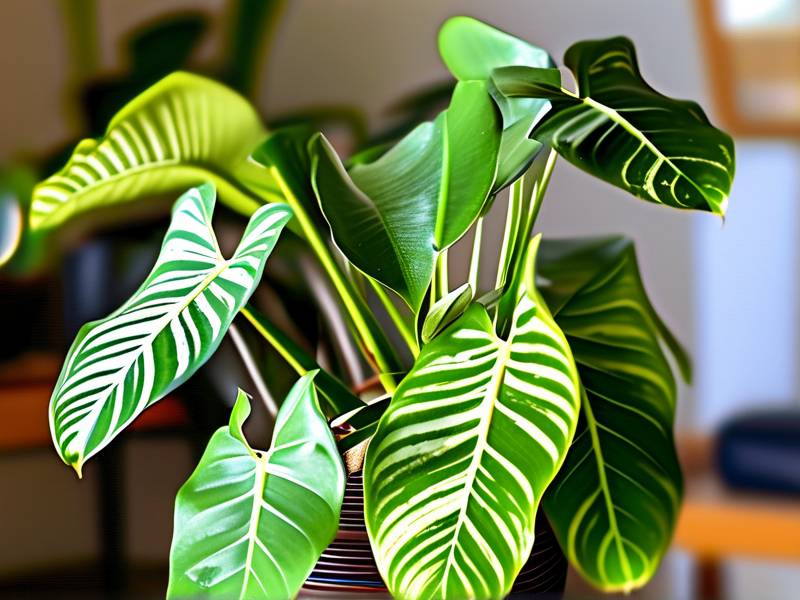
The 3 Deadly Mistakes Newbies Make with Large Dracaena 'Massangeana'
Mistake #1: Watering Too Much
Here's the truth: 90% of indoor plants die from overwatering. I was one of those people. I thought more water meant happier leaves. Boy, was I wrong.
What I did wrong: I watered my Dracaena on a schedule. Every Sunday, without fail. I poured in about a liter of water, thinking the large pot needed it. Within two weeks, the lower leaves turned yellow and drooped. The soil smelled weird, like a swamp.
What I learned: These plants store water in their thick stems. They're naturally drought-tolerant. I stopped watering for 10 days after that. The soil was still damp three inches down. I waited until it was completely dry.
My fix: I switched to a moisture meter. I stick it two inches into the soil. If it reads dry, I water. If it reads moist, I wait. Simple. The RHS recommends letting the top of the compost dry out between waterings, and they're spot on.
Mistake #2: Getting Light Wrong
I placed my first Dracaena 'Massangeana' in a dark hallway. I thought, "It's a low-light plant, right?" Wrong again.
What I did wrong: The leaves started losing their vibrant yellow stripes. They turned a dull, dark green. The plant became leggy, stretching toward the one window in the room. It looked sad.
What I learned: These guys need bright, indirect light. Direct sun burns their leaves. But low light kills their variegation. I moved mine to a spot two feet from a south-facing window, behind a sheer curtain. The difference was night and day.
My two-week experiment: I kept a light meter app on my phone. For 14 days, I measured the light at different spots in my house. The spot with 1000-2000 foot-candles (bright indirect) was perfect. The leaves perked up. New growth showed strong yellow stripes. I even took photos to track the progress.
Mistake #3: Using the Wrong Pot
Oh, this one hurt. I used a beautiful ceramic pot without drainage holes. It looked amazing on my coffee table.
What I did wrong: Water pooled at the bottom. The roots sat in moisture. After three weeks, the leaves started dropping. I pulled the plant out and found root rot. The roots were brown and slimy. I lost half the root system.
What I learned: Terracotta pots are my go-to now. They're porous and let the soil breathe. The AHS notes that proper drainage is critical for Dracaena species, and I can't agree more. I also added a layer of gravel at the bottom of the pot for extra drainage.
My fix: I repotted in a terracotta pot with one large drainage hole. I used a well-draining soil mix: two parts potting soil, one part perlite, one part orchid bark. The roots recovered in about four weeks.
How I Revived My Sick Dracaena 'Massangeana' in Two Weeks
Week 1: Assessing the Damage
I started fresh with a plant that was about four feet tall. It had some brown tips and yellow lower leaves. Here's my step-by-step process:
-
Checked the roots: I gently lifted the plant from its pot. Healthy roots were white and firm. Rotten ones were brown and mushy. I trimmed the bad ones with clean scissors.
-
Inspected the soil: The old soil was compacted and held too much moisture. I removed as much as I could without damaging the roots.
-
Cleaned the pot: I scrubbed the old pot with a bleach solution (1 part bleach to 9 parts water). This killed any pathogens.
-
Potted it up: I placed the plant in the new terracotta pot with fresh soil. I made sure the root ball sat about an inch below the rim.
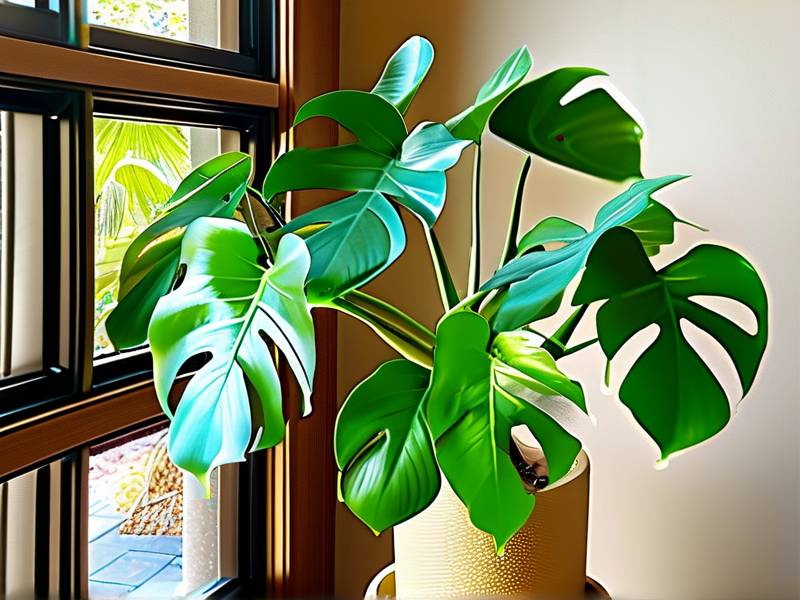
Observation after 3 days: The leaves stopped dropping. The plant looked stable. I didn't water it yet.
Week 2: Adjusting Care Routine
Day by day, I tweaked things:
-
Watering: I waited until day 7 to water. The soil was bone dry. I watered thoroughly until water ran out the drainage hole. Then I let it drain completely before putting it back on the saucer.
-
Light: I rotated the pot a quarter turn every morning. This ensured even light exposure. The leaves started standing straighter.
-
Humidity: I live in a dry climate. I set up a pebble tray with water under the pot. I also misted the leaves every other day. The large slender leaves loved the extra moisture.
End of week 2: The plant had two new leaves unfurling at the top. The yellow stripes were brighter. The brown tips stopped spreading. I was thrilled.
Your Step-by-Step Care Guide for Large Dracaena 'Massangeana'
Light Requirements
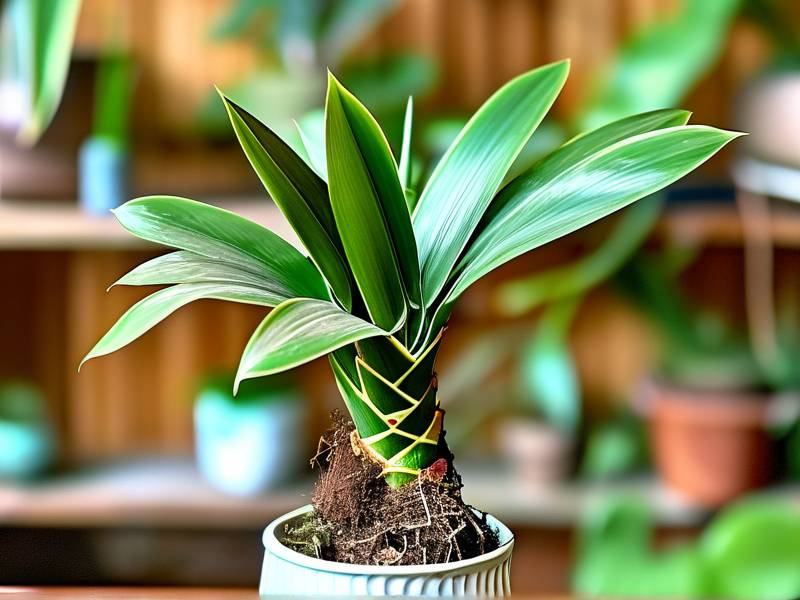
Bright, indirect light is non-negotiable for those large slender leaves. Think of a spot where you can read a book comfortably without glare. An east-facing window is perfect. A north-facing one might work if it's close enough.
What I do: I keep mine in a room with a south-facing window but pull it back about three feet. I use a sheer white curtain to filter any harsh afternoon sun. I've noticed the leaves droop slightly if light is too low—they're literally telling me they need more.
Watering Routine
I water based on soil dryness, not a schedule. Here's my system:
- Check weekly: I stick my finger two inches into the soil. If it feels dry, I water.
- Water deeply: I pour until water runs out the bottom. This flushes out salts.
- Let it drain: I never let the pot sit in standing water.
- Reduce in winter: I water half as often from November to February.
A real example: Last summer, I watered every 10 days. This winter, I'm watering every 18-20 days. The plant hasn't complained.
Temperature and Humidity
These plants are tropical at heart. They want warmth.
- Ideal range: 65-80°F (18-27°C). I keep my house around 70°F year-round.
- Avoid drafts: I moved mine away from an AC vent after noticing leaf tips getting crispy.
- Boost humidity: I group my Dracaena with other plants. The transpiration from all of them creates a microclimate. My humidity gauge reads 45-55% near them.
Soil and Potting
The right soil mix prevents overwatering disasters.
My DIY mix:
- 50% high-quality potting soil
- 30% perlite
- 20% orchid bark
This drains fast but holds enough moisture for the roots.
Repotting tips: I repot every 2-3 years in spring. I go up one pot size. My last repotting took about 30 minutes. I laid down newspaper, had my tools ready, and worked outside to avoid mess.
Fertilizing
I feed my Dracaena 'Massangeana' lightly. They're not heavy feeders.
- What I use: A balanced liquid fertilizer like 10-10-10, diluted to half strength.
- When: Every 4-6 weeks from spring to summer. I stop in fall and winter.
- How I apply: I water the plant first, then apply the fertilizer. This prevents root burn.
A mistake I made: I over-fertilized once. The leaves got brown edges. I flushed the soil with plain water for two weeks, and it recovered.
Pruning and Cleaning
Large slender leaves can collect dust. This blocks light absorption.
My routine:
- Wipe leaves monthly: I use a damp microfiber cloth. I support the leaf from underneath to avoid snapping.
- Trim dead tips: I use sharp scissors. I cut at a 45-degree angle to mimic natural leaf shape.
- Remove yellow leaves: I pull them off gently at the base. New growth will replace them.
Common Problems and How I Fixed Them
Brown Tips on Leaves
This was my biggest frustration. Here's what I learned:
Causes:
- Tap water chemicals: Fluoride and chlorine burn leaf tips. I switched to distilled water. The brown tips stopped appearing on new leaves.
- Low humidity: My pebble tray helped.
- Over-fertilization: I cut back to once every two months.
My fix: I filled a watering can with tap water and let it sit out for 24 hours. This let chlorine evaporate. For fluoride, I use rain water or distilled water exclusively now.
Yellow Lower Leaves
This is normal aging, but excessive yellowing means trouble.
What I check:
- If one or two leaves yellow: It's natural. The plant is shedding old leaves.
- If many leaves yellow: Overwatering or poor drainage. I check the soil immediately.
My experience: After I fixed my watering routine, yellowing dropped by 90%. I still get one yellow leaf every month or two. I just pluck it off.
Drooping Stems
This scared me. The stems—called canes—looked limp.
Cause: Underwatering or root damage.
What I did: I watered deeply and checked the roots. One cane had rotten roots. I cut it off and propagated it in water. The other three canes perked up within three days.
Pests
I've dealt with spider mites and mealybugs.
Natural treatment:
- Spider mites: I sprayed leaves with neem oil solution (1 tsp neem oil, 1 tsp dish soap, 1 liter water). I repeated every 5 days for three rounds.
- Mealybugs: I dabbed them with rubbing alcohol on a cotton swab. I checked weekly for two months.
Prevention: I inspect new plants before bringing them home. I keep my Dracaena isolated for two weeks after purchase.
Why Large Dracaena 'Massangeana' Is Perfect for You
Here's what I love about this plant:
- It's forgiving: Miss a watering? It's fine. It bounces back.
- It's architectural: Those large slender leaves create a sculptural look.
- It purifies air: The NASA Clean Air Study found Dracaenas remove toxins like formaldehyde.
- It grows slowly: You don't need to repot every year.
A honest thought: It's not a plant for impatient people. It grows at its own pace. But when you see that new leaf unfurl with perfect yellow stripes, it's worth the wait.
Expert Insights I Trust
The RHS emphasizes that Dracaena fragrans 'Massangeana' thrives in warmth and moderate humidity. They advise keeping the compost just moist in summer and drier in winter. I follow their guidance.
The AHS recommends avoiding direct sunlight and stressed the importance of well-drained soil. Their research-based advice has helped me avoid common pitfalls.
Frequently Asked Questions
Q: How often should I water my large Dracaena 'Massangeana'? A: Every 10-14 days in summer, less in winter. Always check the soil first. I go by feel, not a calendar.
Q: Why are my Dracaena leaves splitting? A: Low humidity or physical damage. I place a humidifier nearby during dry months. I also handle the leaves gently when cleaning.
Q: Can I propagate a Dracaena 'Massangeana' from a cutting? A: Yes. I've done it. Take a stem cutting with at least two nodes. Put it in water until roots form. Then pot it up. It takes about 8 weeks.
My Final Thoughts
Look, I've been where you are. I killed plants, felt discouraged, and almost gave up. But once I understood this plant's drought-tolerant nature and its love for warm bright indirect light, everything clicked.
Start with the basics. Don't water too much. Give it the right light. Use a pot with drainage. These three things will keep your large Dracaena 'Massangeana' happy for years.
I still check my plant every week. I look for new growth. I wipe its leaves. It's become a relaxing ritual. And when friends visit and compliment my "corn plant," I smile. I know it's not luck—it's understanding what this plant actually needs.
You can do this. Get that moisture meter. Find that bright spot in your home. Give it a try for two weeks. I bet you'll see the difference. I did.