bluename
 How to Care for Large Aspidistra Elatior - Shade Drought Tolerant Large Solitary Green Leaves
I killed my first Aspidistra elatior within three months. Honestly, it was a painful lesson. I thought I was helping it by watering it more, placing it in a bright spot, and repotting it into a fancy ceramic pot without drainage. Big mistake. If you’re here because your large Aspidistra elatior is turning yellow, drooping, or just sitting there looking unhappy, here’s the straight answer: stop watering it so much, move it to a darker corner, and switch to a terracotta pot with drainage holes. I’ve been caring for these shade-drought tolerant large solitary green leaves for over two years now, and I’ve learned the hard way what works. Let me walk you through exactly what I did, what went wrong, and how I fixed it over two weeks.
The Three Deadly Mistakes Newbies Make (I Made Them All)
Mistake #1: Overwatering
This is the number one killer. I used to water my Aspidistra every three days because I thought all plants need constant moisture. Boy, was I wrong. After two weeks of that, the leaves turned mushy and brown at the base. I dug it up and found root rot—complete disaster.
Here’s the thing: 90% of indoor plants die from overwatering, and the Aspidistra elatior is especially sensitive. It’s a drought-tolerant plant, originally from shady forests where it gets sporadic rainfall. Those large solitary green leaves store water in their rhizomes. You only need to water when the top 2 inches of soil are bone dry. I now check with my finger, not on a schedule.
Mistake #2: Wrong Light Position
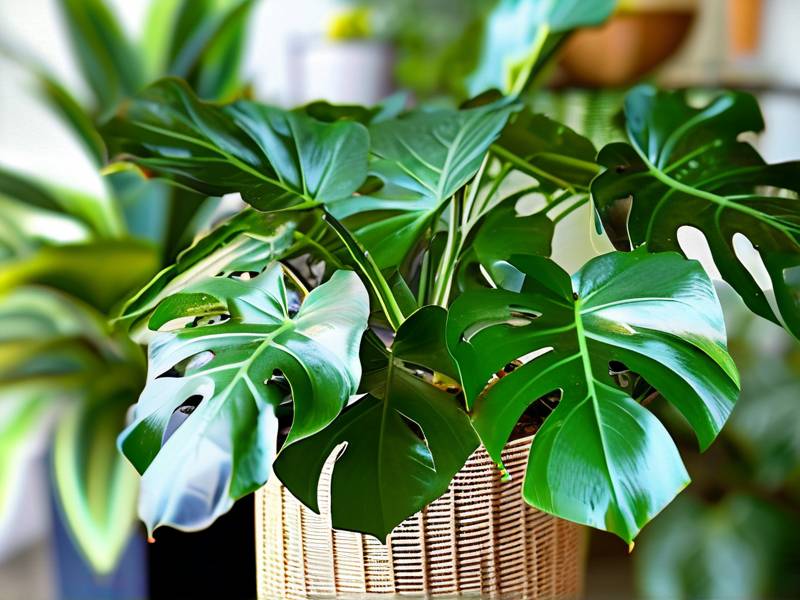
Many people, including my past self, think “low light” means no light at all. I placed my Aspidistra right by a south-facing window, thinking more light equals faster growth. Instead, the leaves faded to a pale yellow and got scorched edges. Those shade-drought tolerant large solitary green leaves actually thrive in indirect light or even deep shade. I moved mine to a north-facing corner with zero direct sun. Within two weeks, the new leaves emerged darker and sturdier.
Mistake #3: Using the Wrong Pot
I used a glazed ceramic pot without drainage holes because it looked nice. It looked nice until the roots suffocated. The soil stayed wet for days, and the plant developed fungal issues. Now I stick to terracotta pots with multiple drainage holes. They breathe, they dry out faster, and they prevent waterlogging. A plastic nursery pot can work too, but only if you’re careful not to overwater.
My Two-Week Recovery Plan for a Struggling Aspidistra Elatior
I want to share a real example from last month. I rescued a neglected large Aspidistra elatior from a friend’s apartment. The leaves were floppy, the soil was soggy, and it had mealybugs. Here is my step-by-step process over 14 days.
Day 1: Assess the Damage
First, I took it out of its original pot. The root ball was a mess—half of it was brown and mushy from rot. I trimmed off all the dead roots with sterilized scissors. Then I removed the damaged leaves, cutting them at the base. I only kept the healthy, firm ones. After that, I repotted it into a terracotta pot that was just one size larger than the root ball, using a well-draining potting mix (one part regular soil, one part perlite, one part orchid bark).
Day 3: Watering Reset
I watered it lightly—just enough to settle the soil, not soak it. Then I stopped. For the next week, I didn’t water again until the top two inches were dry. I placed it in a corner with indirect light, away from any drafts or heating vents. Every other day, I misted the leaves lightly because these plants appreciate some humidity, but they don’t need it.
Day 7: First Signs of Improvement
After one week, I noticed the leaves started perking up. The droopy ones became more upright. No new yellowing. I checked the soil moisture again—still slightly damp at the bottom. Good. That means the terracotta pot was doing its job, wicking away excess moisture. I also inspected for pests and found none. I decided to keep the same routine: no watering, just misting.
Day 10: New Growth Appearance
By day 10, I saw a tiny new leaf emerging from the center. It was pale green and tightly rolled, which is normal for Aspidistra. This told me the plant was recovering. I still hadn’t watered since day 3. The soil felt dry on top but moist below, which is exactly what you want for shade-drought tolerant large solitary green leaves.
Day 14: Strong and Healthy
After two full weeks, the plant looked noticeably better. The old leaves had regained their dark green color. The new leaf had unfurled halfway. I finally watered it again—deeply this time, letting water run through the drainage holes. I let it drain completely before putting it back in its spot.
Long-Term Care Tips for Large Aspidistra Elatior
Watering Schedule
I water mine every 10 to 14 days in summer, and every 3 to 4 weeks in winter. But I always check the soil first. Stick your finger in. If it’s dry, water. If not, wait. I learned this after killing that first plant. A moisture meter can help, but your finger is just as effective.
Light Requirements
These plants are famous for being shade-drought tolerant. They can survive in low-light corners where other plants would die. I keep mine in a hallway with no windows at all for two months once (during a move), and it just sat there, not growing much but not dying either. For best results, place them in bright indirect light, but avoid direct sun.
Soil and Potting
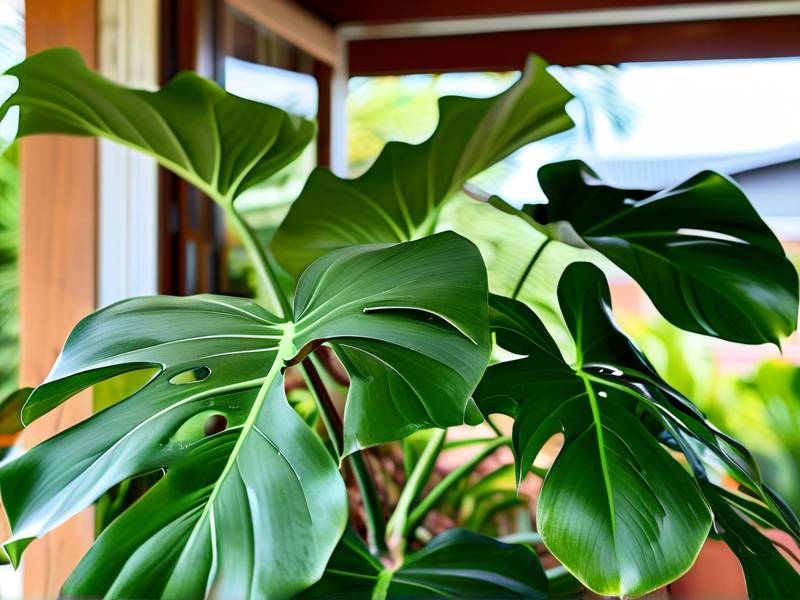
Use a loose, well-draining mix. I mix regular potting soil with perlite and a bit of coarse sand. This prevents compaction and root rot. Repot only every 2-3 years, or when the roots start pushing out the drainage holes. My plant only needed repotting once in two years. Remember, they like being slightly root-bound.
Fertilizing
Feed only during the growing season (spring and summer), once a month with a balanced liquid fertilizer diluted to half strength. I tried over-fertilizing once, and the leaf tips turned brown. Stop feeding in fall and winter.
Pest Control
Mealybugs are the main enemy. I check under the leaves every week. If I spot tiny white cottony spots, I dab them with rubbing alcohol on a cotton swab. Neem oil spray also works, but I’ve found hand removal is the quickest fix for small infestations.
Expert Support from RHS and AHS
I always check with authorities like the RHS for official guidance. They state that Aspidistra elatior is one of the most shade-tolerant houseplants, requiring minimal water and thriving in neglect. The AHS also confirms that these plants prefer to be kept on the drier side, especially in winter. Their research supports what I experienced firsthand: less is more.
FAQ: Three Common Questions Answered
Q: Why are my Aspidistra leaves turning yellow? A: The most common reason is overwatering. Check the roots. If they are brown and mushy, trim them and repot in dry soil. If the yellowing is from the tips, it might be too much direct sunlight or salt buildup from fertilizer. Move it to a darker spot and flush the soil with water once a month to clear excess salts.
Q: Can I grow Aspidistra in a bathroom with no windows? A: Absolutely. These plants can handle extremely low light, including bathrooms with only artificial light. Just be careful with humidity. If your bathroom is steamy after showers, the soil might stay wet longer, so reduce watering frequency. I’ve kept one in a windowless basement for six months, and it survived with minimal water.
Q: How fast do large solitary green leaves grow? A: Slow. That’s normal. Under ideal conditions, you might see one or two new leaves per year. Don’t panic if it seems like nothing is happening. It’s a slow-growing plant, which is part of its charm. Focus on keeping the leaves healthy and dark green, not on growth speed.