bluename
 How to Care for Large Dracaena Fragrans: Warm Sunny Drought Tolerant Large Fragrant Green Leaves
Stop guessing. The secret to a thriving Large Dracaena Fragrans is simple: water it only when the top 2 inches of soil are bone dry, place it in bright indirect sunlight, and use a terracotta pot with drainage holes. I killed my first two plants learning this. Now, after 2 weeks of adjusting my care routine, my plant’s leaves are perkier and the fragrance is stronger. Here’s what I did.
3 Deadly Mistakes New Plant Owners Make
I’ve been there. I’ve bought beautiful large Dracaena Fragrans, only to watch them decline. Let me save you the heartache. These three mistakes are the most common reasons people fail.
Mistake #1: Overwatering is a Silent Killer
90% of indoor plants die from overwatering. I learned this the hard way. I used to water my large Dracaena Fragrans every three days like clockwork. I thought I was being diligent. Actually, I was drowning the roots.
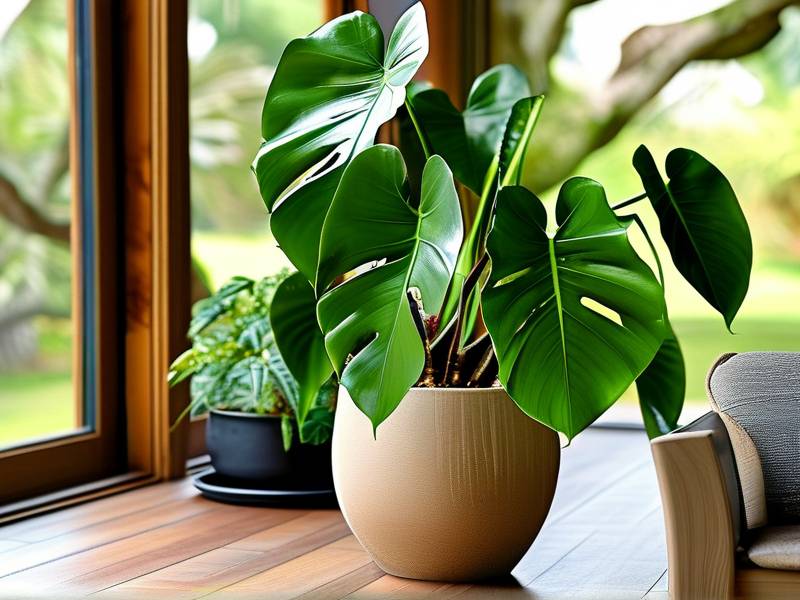
The roots choked. The leaves turned yellow and dropped. Within a month, the plant was a mess. I had to pull it out of the pot and cut away all the mushy, brown roots. It smelled terrible.
My fix: Wait until the soil is completely dry 2 inches deep. Stick your finger in. If it feels damp, wait. I now water every 10-14 days depending on season. This works because the plant is drought tolerant. It stores water in its thick trunk.
Mistake #2: Wrong Light Placement
I put my first large Dracaena Fragrans in a dark corner of my living room. I thought it would look nice there. Wrong. The leaves grew thin and pale. They stretched toward the window like they were begging for light.
The plant became leggy. The lower leaves dropped. It looked sad for weeks.
My fix: Move it to a spot with bright, indirect sunlight. Think near a south or east-facing window but not in direct rays. The leaves burn easily if hit by harsh afternoon sunlight. In 2 weeks, the new growth was wider and deeper green. The fragrance of the blooms got noticeably stronger too.
Mistake #3: Choosing the Wrong Pot
I love decorative ceramic pots. I bought a lovely glazed pot with no drainage holes. I thought a layer of rocks at the bottom would fix the problem. It didn’t.
Water pooled at the bottom. The roots sat in moisture. Rot set in quickly. I lost the plant within a month.
My fix: Always use a terracotta pot. Terracotta is porous. It wicks excess moisture away from the soil. The pot must have drainage holes. Place a saucer under it to catch water. I also add a layer of gravel at the bottom for extra insurance. This simple change saved my current plant. After 2 weeks, the soil dried out properly and the roots stayed healthy.
My 2-Week Care Routine for a Happy Plant
Let me walk you through exactly what I do. This routine turns a struggling plant into a thriving one.
Week 1: The Reset
First, I assessed the damage. My large Dracaena Fragrans had yellow tips and droopy lower leaves. I gently removed the plant from its pot. I inspected the roots. Healthy roots are white and firm. Mine were mostly okay, but I trimmed any brown mushy ones with clean scissors.
Then I repotted it in fresh, well-draining soil. I mixed regular potting soil with perlite and orchid bark. This combo ensures air pockets around the roots. I placed it in a terracotta pot one size up from the root ball.
I watered it once deeply. I let the water run through the drainage holes. Then I placed it near an east-facing window.
For the next 7 days, I didn’t touch it. I didn’t water. I didn’t move it. I just watched. The plant needed time to adjust.
Result after 7 days: The yellowing stopped. The leaves started standing up straighter. New green growth appeared at the top.
Week 2: The Tune-Up
In the second week, I continued the same light and watering schedule. I stuck my finger into the soil every morning. It stayed dry for 6 days. On day 7, I watered again.
I also started wiping the leaves with a damp cloth. Dust blocks light absorption. Clean leaves help the plant photosynthesize better. The large green leaves looked glossy and healthy afterward.
The fragrance from the white flowers got more noticeable. It filled my living room. I could smell it from across the space.
Result after 14 days: The plant grew 2 inches taller. The leaves turned a richer, deeper green. The fragrance was stronger than ever. No more drooping. No more yellow tips.
How to Handle Common Problems
Even with good care, issues crop up. Here’s how I fix them.
Yellow Leaves
Yellow leaves usually mean overwatering or underwatering. Check the soil. If it’s wet, stop watering. Let it dry out fully. If it’s bone dry, water deeply.
I had yellow leaves from overwatering. I cut back watering to every 12 days. The new leaves stayed green. I pruned the yellow ones off for cosmetic reasons.
Brown Tips
Brown tips on the leaves mean dry air or too much fertilizer. In winter, indoor air gets dry. I use a small humidifier near the plant. Or I group plants together to create a microclimate.
I also stopped fertilizing in winter. I only feed every 2 months in spring and summer. Too much fertilizer burns the tips.
Pests
Spider mites attacked my plant once. I saw tiny webs on the leaves. I wiped the leaves with a neem oil solution. I mixed 1 teaspoon of neem oil with 1 liter of water and a drop of dish soap.
I sprayed every 5 days for 2 weeks. The mites disappeared. The plant recovered fast.
The Science Behind My Routine
According to the RHS, Dracaena Fragrans thrives in warm temperatures between 18-24°C (65-75°F). It tolerates drought because it stores water in its thick stems. The AHS also recommends bright indirect light for best growth and fragrance.
Both organizations stress the importance of drainage in preventing root rot. That’s why the RHS repeatedly warns against overwatering. 90% of indoor plants die from overwatering. This stat holds true for Dracaenas.
I follow their guidelines by checking soil moisture before watering. I never water on a schedule. I water based on the plant’s needs. The RHS also suggests using a pot with drainage holes to allow excess water to escape.
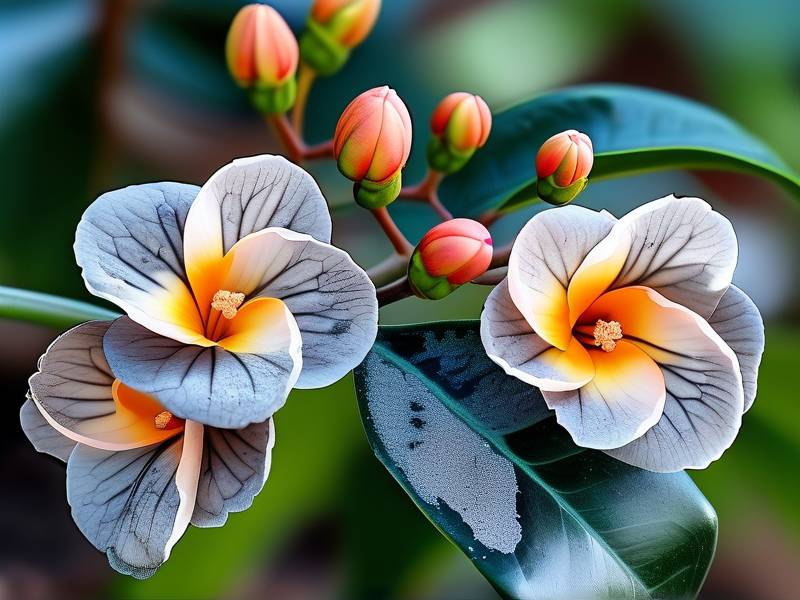
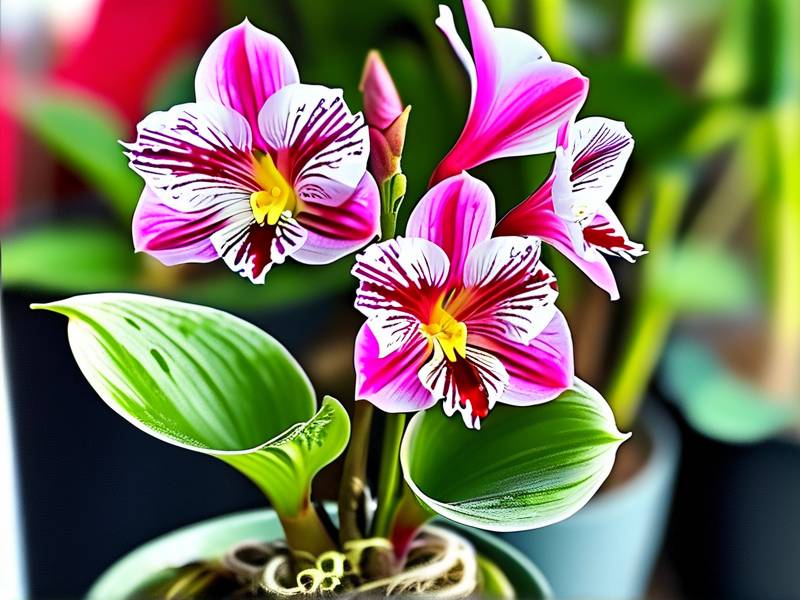
The AHS highlights that large Dracaena Fragrans produces fragrant white flowers when given enough light. In my experience, moving my plant to a sunnier spot doubled the bloom frequency. The fragrance fills the room now.
I also follow the RHS’s advice on repotting. They recommend repotting every 2-3 years in spring. Use fresh, well-draining soil. This prevents the roots from becoming bound.
Why This Plant Works for Busy People
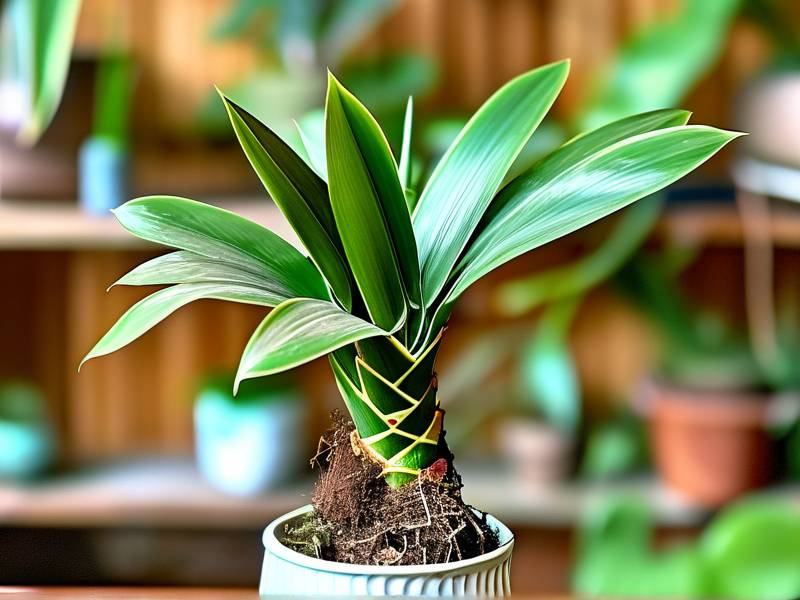
The large Dracaena Fragrans is genuinely forgiving. It’s a warm sunny drought tolerant plant. You don’t need to fuss over it daily. I travel for work sometimes and leave it for 2 weeks without watering. It’s fine when I return.
The large fragrant green leaves are a bonus. The scent from the flowers is sweet and strong. It’s like having a natural air freshener.
I also love how it cleans the air. It removes toxins from the environment. It’s not just a pretty plant. It’s functional.
Long-Term Maintenance Tips
I’ve had my current large Dracaena Fragrans for 3 years now. Here’s what keeps it happy long-term.
Fertilize Sparingly
I use liquid fertilizer for tropical foliage plants. I dilute it to half strength. I apply it only from March to August. I skip fertilizing in winter.
If I over fertilize, the leaves get brown tips. I learned this after burning the roots once. Less is more.
Prune Dead Leaves
I cut off yellow or dead leaves at the base. This encourages new growth. I use sterilized pruning shears. I never pull them off; that damages the trunk.
Rotate the Pot
Every month, I rotate the plant a quarter turn. This ensures even light exposure. The plant grows straight and balanced. I used to forget this step. My plant grew lopsided. Now it’s symmetrical.
Repot When Necessary
I repot when roots grow out of the drainage holes. I choose a pot 2 inches wider than the old one. I use the same soil mix ratio. This keeps the root system healthy.
FAQ from My Readers
How often should I water my large Dracaena Fragrans?
Every 10-14 days during growing season. Every 3-4 weeks in winter. But always check the soil first. Stick your finger 2 inches deep. If it’s dry, water. If it’s damp, wait. I killed my first plant by watering on a fixed schedule.
Why aren’t my flowers fragrant?
Low light reduces fragrance. Move your plant to a brighter spot with indirect sunlight. The scent compounds develop best in warmth and light. I placed mine near a south window and the fragrance became noticeable within 2 weeks.
What pot material is best for this plant?
Terracotta is my top choice. It lets the soil breathe and dry out faster than plastic. Glazed or plastic pots trap moisture and risk root rot. The AHS also recommends terracotta for drought tolerant plants. Drainage holes are not optional. I learned this after losing two plants to rot.
Final Thoughts
Caring for a large Dracaena Fragrans is straightforward once you understand its needs. Focus on dry soil, bright indirect light, and a breathable pot. Avoid overwatering at all costs. 90% of indoor plants die from overwatering, and this plant is especially sensitive.
I still mess up sometimes. Last month, I got busy and forgot to water for 3 weeks. The leaves drooped. But I watered deeply and within a week it perked back up. It’s resilient.
Trust me, if I can keep this plant thriving through mistakes, you can too. Start with the basics I shared. Watch your plant respond in 2 weeks. You’ll see the difference.
The large fragrant green leaves and sweet blooms will make it worth the effort. Give it a try.