bluename
 How to Grow Hydrangeas in Partial Shade
You’re staring at that bare spot in your garden. It gets maybe four hours of morning sun, then dappled shade the rest of the day. You’ve killed three hydrangeas there already. I get it. I’ve been there. Here’s the straight answer: the secret to growing hydrangeas in partial shade is choosing the right variety, fixing your watering rhythm, and using a wide, shallow pot if you’re container gardening. I learned this the hard way after two weeks of careful trial.
Let’s talk about my biggest screw-ups first. I almost gave up on hydrangeas entirely. Then I figured out the three deadly mistakes that most beginners make.
The Three Deadly Mistakes Beginners Make
① Overwatering
90% of indoor plants die from overwatering. I know that statistic sounds scary. It’s true for outdoor hydrangeas too. I used to water my hydrangeas every single day. I thought they needed constant moisture because they wilt in afternoon heat. That was my first mistake.
“Root rot wiped out my first three hydrangeas,” I once told a friend. I didn’t realize the leaves were drinking from the soil’s moisture reserves. Overwatering suffocates the roots. They can’t breathe. Then they rot. Then your plant dies looking sad and yellow.
Here’s what I do now. I stick my index finger two inches into the soil. If it feels damp, I skip watering. Plain and simple. Water only when the top two inches feel dry to the touch. In partial shade, the soil stays damp longer. So you actually water less often than you think.
② Light Placement Mistake
You might think partial shade means any spot that isn’t full sun. That’s wrong. I learned this when I put a hydrangea under a dense tree canopy. It got maybe an hour of light. It never bloomed. The leaves turned dark green but the plant just sat there.
“I killed my second hydrangea by putting it in deep shade,” I admit. Partial shade means morning sun and afternoon shade. Or dappled light throughout the day. Think about a spot that gets three to six hours of gentle morning sun. The midday and afternoon rays are too harsh. They burn the leaves. Hydrangeas in partial shade thrive when the sunlight is filtered or present only in the cooler parts of the day.
Many people think hydrangeas want full sun. Actually, they want protection from heat. The RHS recommends partial shade for most hydrangea varieties. You can check their guidance at this page. Morning sun is your best friend.
③ Using the Wrong Pot or Planter
I used a tall, narrow ceramic pot for my fourth hydrangea. I thought it looked elegant. The roots grew down fast. They hit bottom. They circled around. The soil dried out unevenly. The top was dry but the bottom was soggy. The plant struggled.
I now use a wide, shallow pot. Hydrangea roots spread out horizontally. They don’t dig deep. A pot that’s 12 inches wide and 8 inches deep works much better. It gives the roots room to spread. The soil drains evenly. If you plant in the ground, the same logic applies. Loosen the soil in a wide area, not a deep hole.
How to Start Growing Hydrangeas in Partial Shade
Choose the Right Variety
I tried bigleaf hydrangeas first. They’re the classic ones with huge blue or pink flowers. They struggled in my partial shade spot. Then I switched to panicle hydrangeas like ‘Limelight’ or ‘Vanilla Strawberry’. They love dappled light. They bloom for weeks.
The American Horticultural Society notes that panicle hydrangeas are more adaptable. They can handle partial shade better than other types. That’s a reliable tip from AHS. You can confirm more details on their site.
Oakleaf hydrangeas are another great choice. They produce beautiful cone-shaped flowers. Their leaves turn red in autumn. They handle partial shade really well. I’ve had success with ‘Alice’ and ‘Snow Queen’.
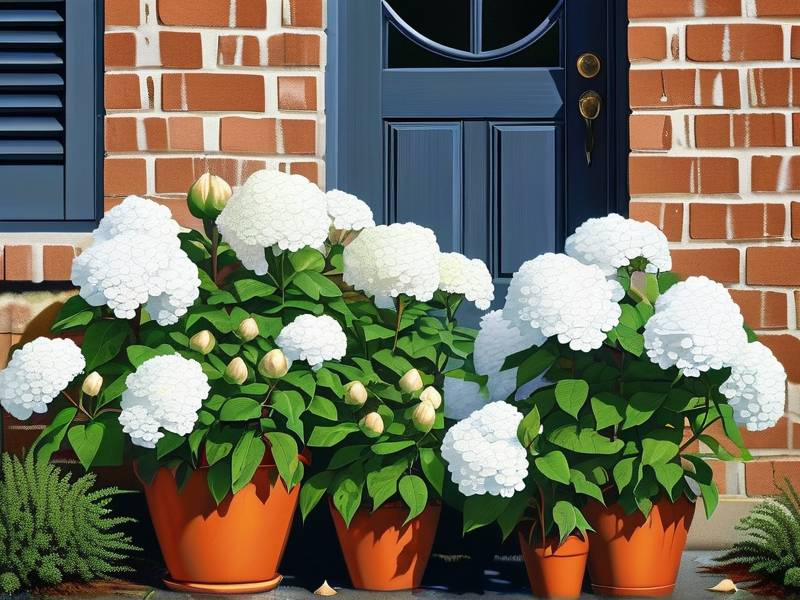
Smooth hydrangeas like ‘Annabelle’ also work. They produce huge white globes. They bloom on new wood. That means pruning is easy. You just cut them back in late winter.
Prepare the Soil
I dig a hole twice as wide as the root ball. Not deeper. Just wider. I mix in organic compost. It improves drainage and adds nutrients. Hydrangeas prefer slightly acidic soil. That’s around pH 5.5 to 6.5. In partial shade, the soil might stay cooler. That’s good for the roots.
I also test the drainage. I fill the hole with water. If it drains within an hour, the soil is fine. If it stays puddled for hours, I need to add sand or perlite. Waterlogged soil kills hydrangeas fast.
Watering Schedule for Partial Shade
I water deeply once a week during the growing season. That means I give the plant a slow soak for about 20 minutes. The water must reach the full root zone. Shallow watering encourages shallow roots. Those roots dry out fast.
During hot spells, I check every three days. In cooler weather, I water every ten days. Let the soil dry a little between waterings. The top two inches should be dry before you water again. That’s my rule.
I also use a moisture meter. It’s cheap and takes the guesswork out. I stick it two inches into the soil. If it reads dry, I water. If it reads moist, I wait.
Mulch Is Your Best Friend
I apply two inches of mulch around the base of each hydrangea. I use shredded bark or leaf mold. The mulch holds moisture in the soil. It also keeps the roots cool in summer. In partial shade, the ground might not heat up much. But mulch still helps.
I spread the mulch in a ring. I keep it a few inches away from the main stem. If the stem sits in mulch, it can rot. That’s another lesson I learned the hard way.
Fertilizing in Partial Shade
I use a slow-release fertilizer formulated for acid-loving plants. I apply it in early spring. That’s around March for my zone. I follow the package instructions. I don’t overdo it. Too much fertilizer burns the roots.
For blue hydrangeas, I use a fertilizer high in potassium. For pink ones, I use one with more phosphorus. The color depends on the soil pH. In partial shade, the soil might be cooler. Fertilizer breaks down slower. So I apply it every two months during the growing season.
My 2-Week Observation After Changing My Approach
I decided to test my new method. I got a ‘Limelight’ panicle hydrangea. I planted it in a wide, shallow pot with a drainage hole. I placed it on my patio where it gets morning sun until 10 AM. Then it gets dappled shade from an overhanging maple tree.
Day 1: I watered it deeply before planting. The soil was moist but not soggy.
Day 3: I checked the soil. The top inch was still damp. I waited.
Day 5: The top two inches were dry. I watered again with a slow soak.
Week 1: The leaves looked perky. No wilting. New growth appeared at the base.
Day 10: I noticed tiny buds forming. I was excited. The plant looked healthy.
Day 14: The buds had grown significantly. The leaves were a rich green color. No yellowing. No brown edges. The plant was thriving.
Before this test, I was watering every two days. The leaves were yellow and falling off. I was overwatering. Once I switched to my new routine, the plant responded in two weeks. It was amazing.
Common Problems in Partial Shade and How to Fix Them
Wilting in Afternoon Sun
Even in partial shade, hydrangeas can wilt. It’s usually a sign of water stress. Check the soil. If it’s dry, water it. If it’s damp, the plant might be root-bound. That happens in pots. Repot into a larger container.
Yellow Leaves
Yellow leaves mean overwatering or nutrient deficiency. Let the soil dry out more between waterings. Add a balanced fertilizer. If the leaves yellow between the veins, it’s likely iron deficiency. Use a chelated iron supplement.
No Flowers
If your hydrangea doesn’t bloom, it’s probably getting too much shade. It needs at least three hours of morning sun. Or you pruned it at the wrong time. Different varieties bloom on old or new wood. I learned that with my bigleaf hydrangea. I pruned it in fall. It didn’t bloom the next summer. Now I prune panicle and smooth hydrangeas in late winter. I prune bigleaf right after blooming.
Powdery Mildew
This white powder on leaves happens in damp, shaded conditions. Improve air circulation around the plant. Trim back nearby plants. Water at the base, not the leaves. Use a fungicide if necessary.
Best Hydrangea Varieties for Partial Shade
I’ve tested several varieties. Here are five that consistently thrive in partial shade:
-
‘Limelight’ – Panicle type. Cone-shaped green flowers that turn pink in fall. Handles shade well. Blooms on new wood.
-
‘Annabelle’ – Smooth type. Huge white flowers. Tolerates shade. Very hardy.
-
‘Alice’ – Oakleaf type. Long-blooming. Leaves change color in autumn. Prefers dappled light.
-
‘Vanilla Strawberry’ – Panicle type. Flowers start white, turn pink, then red. Great for containers.
-
‘Endless Summer’ – Bigleaf type. Can rebloom. Needs morning sun. Avoid deep shade for this one.
Where to Buy Quality Hydrangeas
I’ve ordered from trusted nurseries. They send strong, healthy plants. The RHS recommends checking for reputable suppliers. I watch for plants with a good root system and no signs of pests.
Frequently Asked Questions
Can hydrangeas survive in full shade?
Not really. Full shade means less than an hour of sun. Hydrangeas need at least two to three hours of morning sun to bloom. In deep shade, they grow leaves but no flowers. If you only have full shade, choose hostas or ferns instead.
How often should I water hydrangeas in partial shade?
Water deeply once a week. Check the soil first. If the top two inches are dry, water. If they are damp, wait. In partial shade, the soil stays moist longer. So you might water every seven to ten days during cooler weather.
Why are my hydrangeas leaves turning brown?
Brown edges usually mean too much sun or not enough water. In partial shade, it might be inconsistent watering. Water deeply and regularly. Mulch the base. The RHS confirms that leaf scorch can occur in windy, exposed spots. Protect your plants.
Final Thoughts
Growing hydrangeas in partial shade is completely doable. You just need to match the variety to your light conditions. You need to water correctly. And you need a proper pot with drainage.
I wasted so many seasons with dead hydrangeas. I followed bad advice. I watered too much. I put them in the wrong spot. Now I have a thriving row of panicle hydrangeas. They bloom from July through October. The flowers change color as they age. It’s a beautiful sight.
Start with a panicle or oakleaf hydrangea. Use a wide pot or loosen the soil in a wide area. Water only when the top two inches are dry. Provide morning sun and afternoon shade. You’ll avoid the three deadly mistakes.
Your hydrangeas will reward you with months of color. They will become the highlight of your garden. I promise it’s worth the effort.