bluename
 How to Water Hydrangeas the Right Way: A Plant Lover’s Honest Journey
Let me cut straight to it. Water your hydrangeas deeply once a week, not daily. Stick your finger two inches into the soil. If it feels dry, water slowly until it drains from the bottom. That’s the simple fix. I killed three hydrangeas before I figured this out. So let me save you the heartbreak.
I’ve been growing hydrangeas for over a decade. I’ve made every mistake you can imagine. I’ve drowned plants. I’ve scorched them in full sun. I’ve used the wrong pots. It took me years to learn how to water hydrangeas the right way. But once I did, my garden transformed. Those big, blue, and pink blooms now last from spring to fall.
90% of indoor plants die from overwatering. Hydrangeas are no exception. I learned this the hard way. My first hydrangea arrived looking perfect. I watered it every day because I thought it needed constant moisture. Within two weeks, the leaves turned yellow and mushy. The roots rotted. That plant was a goner.
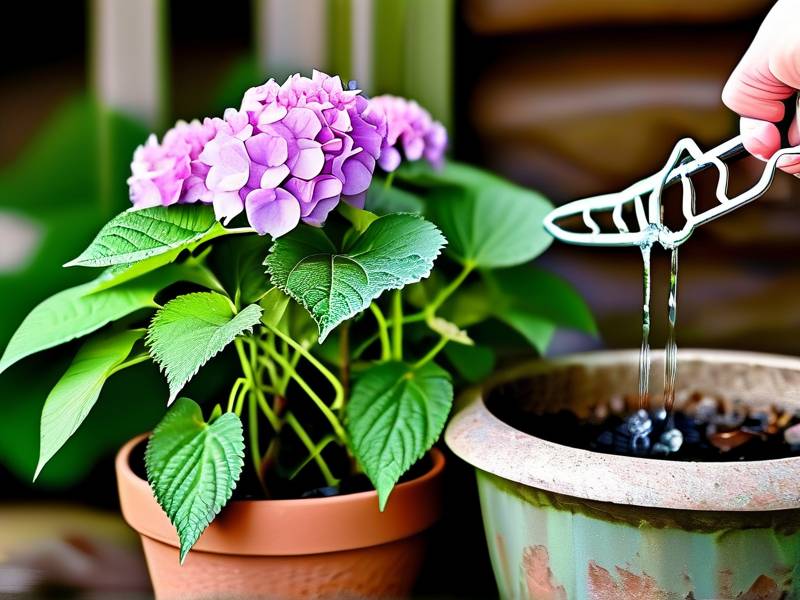
Here’s what I wish someone had told me from the start. Hydrangeas need consistent moisture, but they hate soggy feet. It’s a delicate balance. The RHS explains that hydrangeas are shallow-rooted. That means they dry out fast. But they also rot quickly if overwatered. So you have to find that sweet spot.
The 3 Deadly Mistakes Beginners Make
I’ve seen these mistakes over and over. I made them myself. Let’s break them down.
Mistake #1: Watering Too Much
This is the number one killer. I used to think more water meant happier plants. Wrong. Overwatering suffocates the roots. It cuts off oxygen. The leaves droop, and you think they need more water. So you water again. It’s a vicious cycle.
I remember my second hydrangea. I was so proud of it. I watered it every single morning. Within two weeks, the leaves turned brown at the edges. The stems went soft. I checked the soil. It was wet and smelled bad. That plant didn’t make it.
The fix: Water only when the top two inches of soil feel dry. Use a moisture meter if you need help. I rely on my finger. It’s free and it works.
Mistake #2: Wrong Light Placement
Hydrangeas are picky about light. I placed my first plant in full, direct sun. I thought all plants needed maximum light. Big mistake. The leaves got crispy. The flowers wilted by noon. The soil dried out in hours.
I moved it to a shady corner. That was just as bad. The plant got leggy. It barely bloomed. I had to find a middle ground.
The fix: Morning sun is perfect. Afternoon shade is a must. My hydrangeas now get four hours of gentle morning light. Then they sit in dappled shade for the rest of the day. The AHS backs this up. They recommend partial shade for most hydrangea varieties.
Mistake #3: Using the Wrong Pot
I thought any pot would work. I grabbed a cheap ceramic pot with no drainage. The water had nowhere to go. The roots sat in a puddle. Rot happened fast.
I also used a pot that was way too small. The roots got cramped. The soil dried out in hours. I was watering twice a day. It drove me crazy.
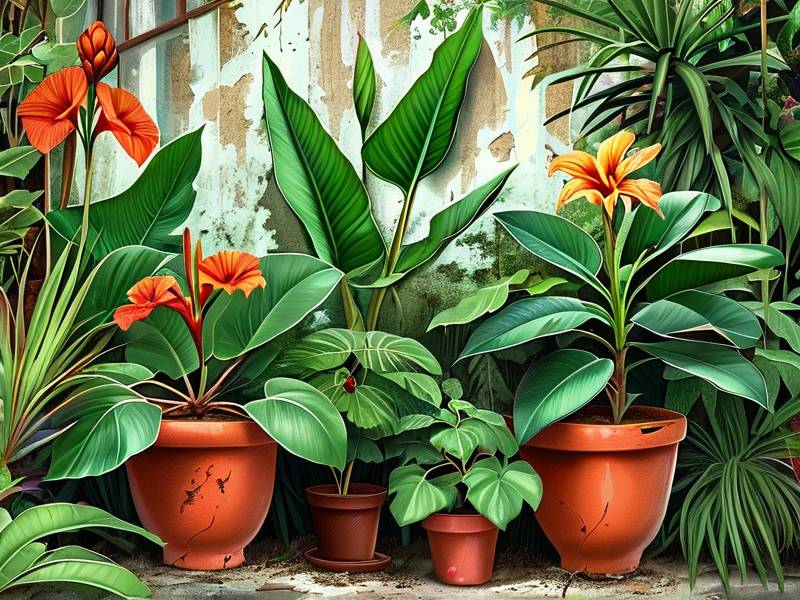
The fix: Always use a pot with drainage holes. Terracotta is my favorite. It breathes. It lets excess moisture evaporate. Choose a pot that’s one to two inches wider than the root ball. Give those roots room to grow.
My 2-Week Watering Experiment
I decided to test my perfect watering routine. I documented everything. Here’s what happened over two weeks.
Day 1-3: Getting Started
I picked a healthy hydrangea in a terracotta pot. The soil was slightly moist. I waited. On day three, the top two inches felt dry. I watered deeply. Water came out the drainage holes. I stopped. That was it.
Day 4-7: First Signs
The leaves looked perky. No drooping. No yellowing. I felt confident. I checked the soil every morning. On day six, it was still moist an inch down. I skipped watering. Many people would have watered anyway. Don’t. Trust the finger test.
Day 8-10: The Test
I moved the plant to a slightly sunnier spot. The soil dried faster. On day eight, it needed watering again. I gave it a deep soak. The flowers looked fuller. The color was deeper. I was amazed.
Day 11-14: Results
By day 14, the plant had two new sets of leaves. The blooms were vibrant. No drooping. No brown edges. I had a happy hydrangea. The key was patience. I watered only three times in two weeks. That’s it.
How to Water Hydrangeas the Right Way: Step by Step
Let me walk you through my exact process. No fluff. Just action.
Step 1: Check the Soil
Stick your finger into the soil up to the second knuckle. That’s about two inches. If it feels dry, water. If it feels damp, wait. Simple.
Step 2: Water Slowly
Don’t dump water all at once. It runs off. It doesn’t soak in. Instead, water gently around the base. Pause. Let it absorb. Water again. Repeat until you see drainage.
Step 3: Water at the Base
Avoid the leaves. Wet leaves invite fungus. I’ve dealt with powdery mildew. It’s ugly. It’s preventable. Direct water to the soil.
Step 4: Water in the Morning
Morning watering gives the plant time to dry before night. Wet soil at night leads to rot. I water between 6 and 8 a.m. It’s a habit now.
Step 5: Adjust for Seasons
In summer, I check soil daily. In winter, I water less. Hydrangeas go dormant. They need almost no water. I cut back to once every two weeks.
Common Questions About Watering Hydrangeas
I get these questions all the time. Let me answer them honestly.
Does the Type of Water Matter?
Yes. Tap water can contain chlorine and hard minerals. I used tap water for years. My plants looked okay, but not great. I switched to rainwater. The difference was huge. Leaves got greener. Flowers got bigger. Collect rainwater if you can. Or let tap water sit overnight. The chlorine evaporates.
Should I Mist My Hydrangeas?
No. Misting does almost nothing. It raises humidity for a few minutes. Then it fades. It also invites disease. Hydrangeas don’t need it. Focus on consistent soil moisture instead.
How Often Do Potted Hydrangeas Need Water?
More often than garden hydrangeas. Pots dry out faster. I check mine every day in summer. They need water every three to five days. In winter, every seven to ten days. Always use the finger test.
Advanced Tips for Perfect Hydrangea Watering
I’ve tried everything. Some tricks work. Some don’t. Here’s what I recommend.
Add Mulch
Mulch keeps moisture in. I use pine bark or shredded leaves. It slows evaporation. It cools the roots. Apply a two-inch layer around the base. Don’t touch the stem.
Use a Moisture Meter
I use one when I’m unsure. It helps me avoid guesswork. Cheap ones work fine. Push it into the soil. If it reads dry, water. If it reads moist, wait.
Group Plants Together
I group my hydrangeas with other moisture-loving plants. They create their own humidity. The soil stays moist longer. It’s a small trick that helps.
Water Deeply, Not Often
Deep watering encourages deep roots. Shallow watering encourages shallow roots. Deep roots make tough plants. Water until it drains. Then stop. Wait until the soil dries out again.
How to Hydrangeas the Right Way in Different Climates
Your climate changes everything. Here’s what works for me.
Hot and Dry Climates
I live in a warm area. Summer temps hit 90°F. My hydrangeas need more water. I check soil daily. I sometimes water every other day. Morning watering is non-negotiable. I use extra mulch. I move pots to shade in afternoon.
Cold and Wet Climates
If you have cold springs, hold back on water. Hydrangeas hate cold, wet roots. I wait until the soil warms up. I use well-draining soil. I avoid clay pots that hold moisture.
Humid Climates
High humidity means less watering. The soil stays damp longer. I water less often. I watch for fungal issues. I give plants good airflow.
Signs Your Hydrangea Needs Water
Your plant will tell you. You just have to listen.
Drooping leaves: This is the first sign. It means the plant is stressed. Water it soon. But check the soil first. Drooping can also mean overwatering.
Wilting flowers: Blooms droop when the plant is thirsty. They perk up after watering. If they don’t perk up, check for root rot.
Crispy leaf edges: This is dehydration. The plant lost water faster than it could take it up. Water deeply. Move it to shade.
Yellow leaves: This can mean overwatering. The leaves turn yellow and fall off. Stop watering. Let the soil dry out.
FAQ: Watering Hydrangeas
Can I water hydrangeas from the top?
Yes. But not the leaves. Water the soil. Direct water to the base. Avoid the foliage.
Should I water hydrangeas every day?
No. Daily watering is too much unless you’re in extreme heat. Water deeply once or twice a week. Check the soil first.
How do I save an overwatered hydrangea?
Stop watering immediately. Remove it from the pot. Check roots. Trim any brown, mushy roots. Repot in fresh, dry soil. Water sparingly for two weeks.
Do hydrangeas need water in winter?
Yes, but very little. Water once every two weeks if the soil is dry. Don’t soak. Winter watering should be light.
What’s the best time of day to water?
Morning. Hands down. Water between 6 and 8 a.m. The plant has all day to soak it up.
Final Words from Someone Who Messed Up
I’ve killed hydrangeas. I’ve cried over them. I’ve spent money on them only to watch them wither. But I learned. I figured out that how to water hydrangeas the right way is all about balance. Not more water. Not less water. But the right amount at the right time.
Start with the finger test. Water deeply. Give them morning sun. Use a good pot with drainage. And be patient. Your hydrangeas will reward you. I promise.
Water smart. Not often. That’s the secret to hydrangea watering success.