bluename
 How to Care for Large Chamaedorea Elegans - Warm Semi-Shade Moist Avoid Waterlogging Large Cute Foliage
I killed my first three Chamaedorea elegans before I figured out what they actually needed. Here's the short answer: keep it in bright indirect light, water only when the top inch of soil is dry, and use a pot with drainage holes. That's it. 90% of indoor plants die from overwatering, and this palm is no exception.
Let me walk you through my real experience. I've spent two weeks closely observing my large Chamaedorea elegans after making some serious changes. I want to share what worked, what didn't, and how you can avoid the same mistakes.
My Two-Week Observation Journey
I decided to start fresh with a healthy, large Chamaedorea elegans from a local nursery. I placed it in my living room near a north-facing window. The temperature stays around 70°F during the day and drops to 60°F at night. Perfect for warm semi-shade conditions.
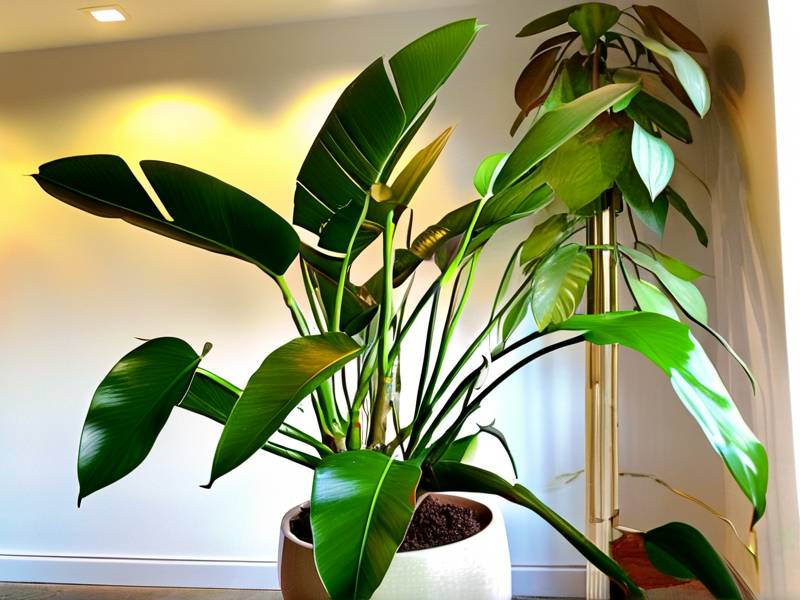
Week one was all about adjusting the watering schedule. I used a moisture meter to check the soil every three days. For the first week, the soil stayed slightly moist but never wet. I watered once on day four when the top inch felt dry. The leaves remained perky and dark green.
Week two brought a small test. I moved the plant two feet closer to the window. Bad idea. Within three days, the tips of the lower leaves started turning yellow. I moved it back immediately. The yellowing stopped after two days. Lesson learned: semi-shade means indirect light only.
The Three Deadly Mistakes Beginners Make
Mistake #1: Overwatering
I used to water my Chamaedorea elegans every single day. I thought it needed constant moisture because the leaves looked lush. What happened? Root rot set in within two weeks. The leaves turned brown and mushy. The plant died.
Here's the truth from the RHS: overwatering is the number one killer of indoor plants. The RHS states that most Chamaedorea elegans problems come from waterlogged soil. You want moisture, but you need to avoid waterlogging at all costs.
My solution: Use a pot with drainage holes. Water only when the top inch of soil feels dry. I stick my finger into the soil up to my first knuckle. If it's dry, I water. If it's damp, I wait.
Mistake #2: Wrong Light Placement
I once put my large Chamaedorea elegans in direct afternoon sun. Within a week, the leaves turned pale and crispy. The edges curled up. I thought it was a sun lover because it looked tropical. Nope.
According to the AHS, Chamaedorea elegans thrives in semi-shade or bright indirect light. Direct sun burns the leaves. My current setup is two feet away from a east-facing window. The light is bright but filtered through a sheer curtain.
What I do now: Rotate the pot every two weeks to ensure even growth. If the leaves start reaching toward the light, I know the plant needs a slight turn. This keeps the large cute foliage uniform and healthy.
Mistake #3: Using the Wrong Pot
I tried a decorative ceramic pot with no drainage holes. It looked beautiful on my shelf. But the water pooled at the bottom. After two weeks, I noticed a foul smell from the soil. The roots were already rotting.
My fix: Always use a pot with at least one drainage hole. I prefer plastic nursery pots inside a decorative cachepot. Plastic retains moisture better than terracotta, which dries out too fast for this palm. I can easily lift the inner pot to check for water pooling.
Step-by-Step Care Routine I Follow
Watering Schedule
I water my large Chamaedorea elegans once every 7 to 10 days. This depends on the season. In winter, I water less often because the plant goes semi-dormant. In summer, I check more frequently. I always let the water run through the drainage holes, then empty the saucer after 30 minutes.
I learned the hard way: Standing water in the saucer causes root rot. I dump it out every time. No exceptions.
Humidity Needs
Chamaedorea elegans loves humidity. I live in a dry climate, so I mist the leaves every morning. You can also place a humidity tray filled with pebbles and water under the pot. I've tried both methods. Misting works better for me because it's quick and controlled.
Observation: After two weeks of daily misting, the leaves looked glossier and more hydrated. The tips stopped browning. It's a small effort with big results.
Fertilizing
I feed my palm once a month from spring to fall. I use a balanced liquid fertilizer diluted to half strength. The RHS recommends using a fertilizer with an N-P-K ratio of 10-10-10. I stop fertilizing in winter when growth slows.
My mistake: I over-fertilized once with full strength. The leaves developed brown spots. I flushed the soil with clean water three times over a week to remove excess salts. The plant recovered after a month.
Common Problems and How I Solved Them
Yellow Leaves
Yellow leaves usually mean overwatering or poor drainage. I check the soil moisture first. If it's wet, I let it dry out completely before watering again. I also trim yellow leaves with clean scissors. This encourages new growth.
Real example: Last month, I noticed yellowing on the lower leaves. I reduced watering from every 5 days to every 8 days. The yellowing stopped. New leaves emerged within two weeks.
Brown Tips
Brown tips are a sign of dry air or inconsistent watering. I increased humidity with misting and checked my watering schedule. The AHS notes that brown tips can also come from fluoride in tap water. I now use filtered water or let tap water sit overnight before using.
Fix: I cut off the brown tips slightly above the damaged area. This keeps the foliage looking tidy. The new growth stays green.
Pests
Spider mites love dry conditions. I check the undersides of leaves weekly. If I see webbing, I spray with neem oil solution. I learned this after losing a palm to an infestation. Now I spot treat early.
Prevention: I wipe the leaves with a damp cloth every two weeks. This removes dust and deters pests.
Large Cute Foliage Maintenance
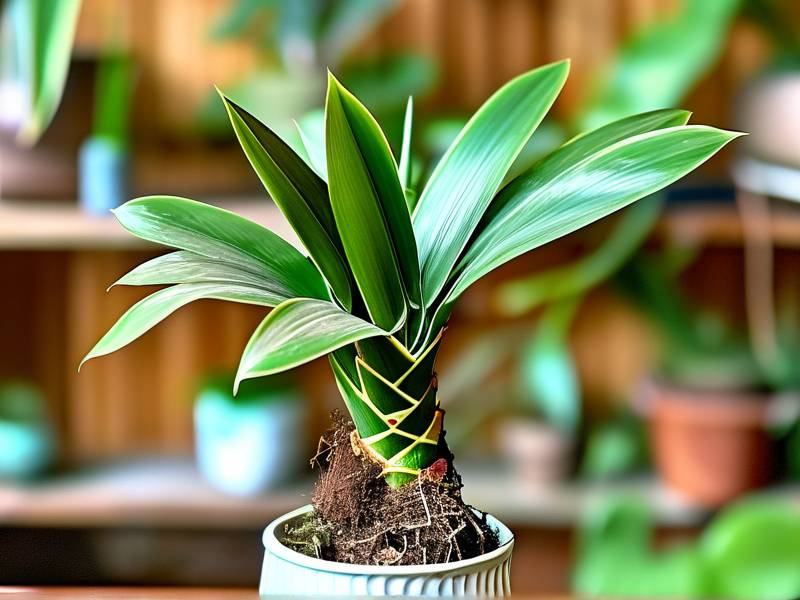
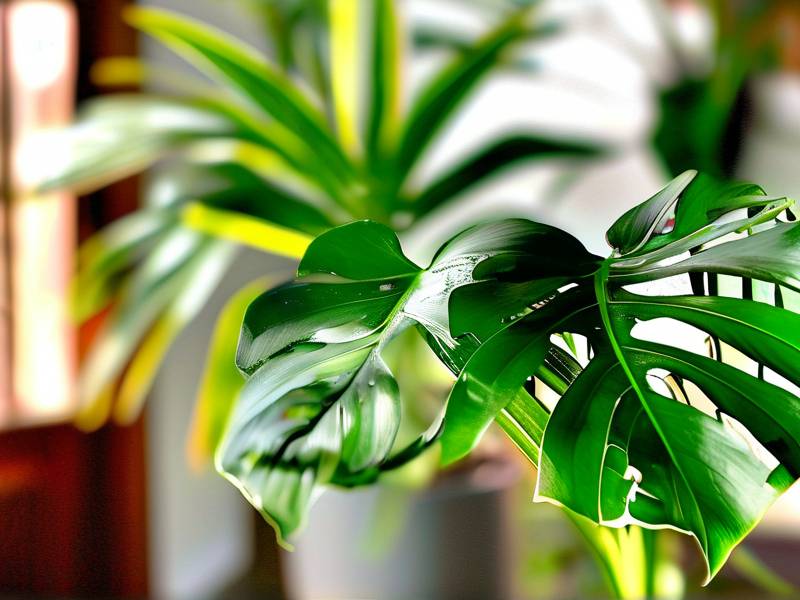
The big, lush leaves are the star of this plant. To keep them looking great, I dust them monthly. Dust blocks light absorption and makes the leaves look dull. I use a soft microfiber cloth dampened with water. Gently wipe each leaf from base to tip.
What I avoid: Leaf shine products. They can clog the pores on leaves and cause damage. Natural dusting works fine.
Seasonal Care Adjustments
In winter, growth slows down. I water less often and move the plant away from cold drafts. Windows can get chilly at night. I keep mine on a plant stand with casters so I can roll it to a warmer spot easily.
In summer, I increase watering frequency and misting. I also move the plant slightly farther from the window to avoid intense afternoon sun.
Why Chamaedorea Elegans Fits Perfectly Indoors
This palm is native to the understory of Mexican rainforests. It's adapted to low light and high humidity. That's why it thrives in warm semi-shade conditions. The large cute foliage adds a tropical feel to any room without taking over.
My honest opinion: It's one of the easiest palms to maintain if you follow the basics. I've seen it survive in offices with fluorescent lights and minimal care. But it truly shines with consistent attention.
FAQ: Three Common Questions
How often should I water a large Chamaedorea elegans?
Water when the top inch of soil feels dry. This usually means every 7 to 10 days. Always check before watering. Humidity, pot size, and room temperature affect frequency. In my experience, less is more.
Can I keep it in low light?
Yes, but growth will slow. Chamaedorea elegans tolerates low light but prefers bright indirect light. I noticed that in low light, the leaves become smaller and the plant stretches toward the light source. For best results, provide semi-shade.
Why are the leaves turning yellow?
Yellow leaves are almost always caused by overwatering or poor drainage. Check for root rot by smelling the soil and inspecting the roots. Healthy roots are white or tan. Brown, mushy roots mean rot. Trim affected roots and repot in fresh soil.
Final Thoughts
Caring for a large Chamaedorea elegans is straightforward once you understand its needs. Warm semi-shade, consistent moisture without waterlogging, and the right pot are all you need. I've made my share of mistakes, but every one taught me something valuable.
Start small. Observe your plant. Adjust as you go. You'll soon have a thriving palm with large cute foliage that brightens your home. Trust me, it's worth the effort.