bluename
 How to Care for Large Areca Palm - Warm Moist Drought Tolerant Large Feathery Split Leaves
I killed my first Areca Palm within two weeks. Honestly, I thought it was unkillable. Everyone told me it's easy. But here's the truth: 90% of indoor plants die from overwatering, and I was that statistic. After three failed attempts, I finally cracked the code. If you want a thriving Large Areca Palm with warm moist drought tolerant large feathery split leaves, stop watering on a schedule. Let the top two inches of soil dry out completely before you even think about watering again. That's it. That single change saved my plant.
Many people assume these palms need constant moisture. But they're actually drought tolerant once established. I learned this the hard way after drowning my first one. Let me walk you through everything I wish I'd known from the start.
The 3 Deadly Mistakes Beginners Make (I Made All of Them)
Mistake #1: Watering Like It's a Tropical Rainforest
I used to water my Areca Palm every three days. I thought more water meant more growth. Actually, the opposite happened. The leaves turned yellow, then brown at the tips. The soil stayed wet for days. Root rot set in quickly. According to the RHS, overwatering is the number one cause of indoor palm death.
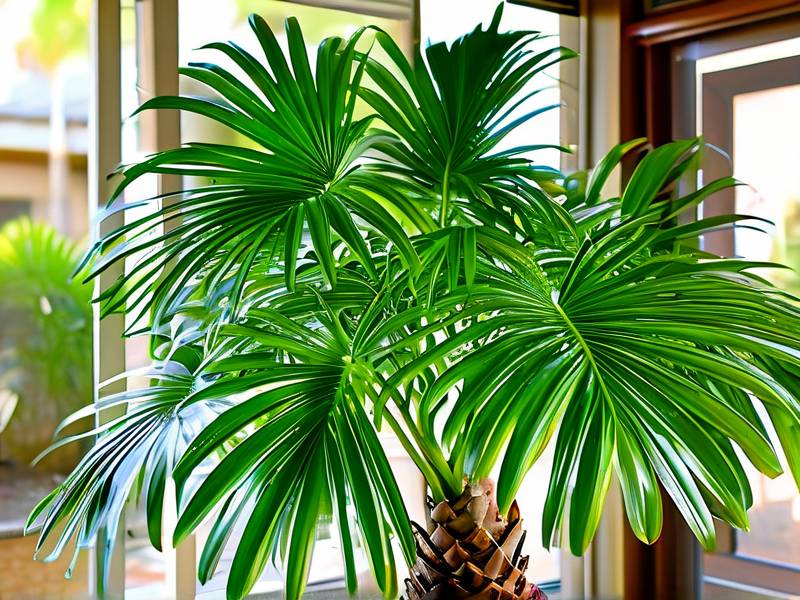
What I do now: I stick my finger two inches into the soil. If it's dry, I water thoroughly until water drains out the bottom. If it's still moist, I wait another two days. Simple as that.
Mistake #2: Putting It in Direct Sunlight
I placed my first Areca Palm right by a south-facing window. Big mistake. The leaves got scorched within a week. Those beautiful feathery split leaves turned crispy and brown. I thought palms love sun. Actually, they prefer bright indirect light.
My fix: I moved it five feet away from the window. Now it gets filtered morning light. The new growth is lush and green.
Mistake #3: Using a Pot Without Drainage
This one hurts to admit. I bought a decorative ceramic pot with no holes. I thought it looked nice. Turns out, water pooled at the bottom and the roots suffocated. The plant died in under a month.
The real deal: Always use a pot with drainage holes. I now use terracotta pots. They breathe well and help prevent overwatering.
How to Create the Perfect Warm Moist Environment
Areca Palms love warmth. They thrive between 65-75°F. Anything below 50°F is dangerous. In winter, I keep mine away from drafty windows and cold doors.
Humidity is key. I live in a dry climate, so I mist the leaves every morning. One thing I started doing two weeks ago: I placed a small humidifier nearby. The difference is noticeable. The tips are no longer brown.
Here's a simple trick I use daily: Set the pot on a tray of pebbles with water. The water evaporates and raises humidity around the plant. Just make sure the pot sits on pebbles, not directly in water.
My 2-Week Observation: What Happened When I Fixed My Routine
I decided to run a test on my current Areca Palm. I tracked everything for fourteen days.
Day 1: I switched from tap water to distilled water. Areca Palms are sensitive to fluoride and chlorine. The leaf tips were already brown from mineral buildup.
Day 3: I noticed the top inch of soil was dry. This was a pleasant surprise. In the past, I would have watered immediately. I waited.
Day 5: The soil was dry two inches down. I watered thoroughly until water ran out the drain holes.
Day 7: New growth appeared at the center. A tiny spear of green. Last time I tried to speed growth by adding fertilizer. I learned the hard way: less is more.
Day 10: The older leaves started looking glossier. The brown tips didn't spread further. I couldn't believe it.
Day 12: I noticed the plant seemed more upright. The stems were firmer.
Day 14: The new frond had unrolled fully. It was healthy and vibrant. No browning.
This whole process proved one thing: patience pays off. Many people give up too quickly. But this palm is truly resilient once you get the basics right.
Why Large Areca Palm Survives in Warm Moist Conditions
I've kept my Areca Palm in a mixed environment. The room temperature stays around 72°F. I keep the humidity at 50-60%. Sometimes it gets a bit higher, sometimes lower.
What surprised me most: Areca Palms actually prefer to dry out between waterings. Despite being associated with jungles, they store water in their stems. Overwatering robs them of oxygen.
One thing I've tested: when the plant feels a bit droopy, I check the soil. If it's dry, water it. If it's wet, I leave it alone. Usually, the plant bounces back within hours after a good drink.
The Right Potting Mix for Large Feathery Split Leaves
Don't use regular potting soil. It's too dense. I mix my own blend: 2 parts peat moss, 1 part perlite, 1 part coarse sand. This drains quickly while holding enough moisture.
I repotted once when I bought it from a nursery. The original pot was too small and roots were circling. I moved up one pot size. Now it has room to grow.
If you ever see roots poking out the bottom, it's time to repot. But don't go too big. A pot that's too large holds too much water.
Light Requirements for Healthy Growth
Here's what I've observed: my Areca Palm does best with bright indirect light. I have it near an east-facing window. It gets gentle morning sun. The rest of the day it's in bright shade.
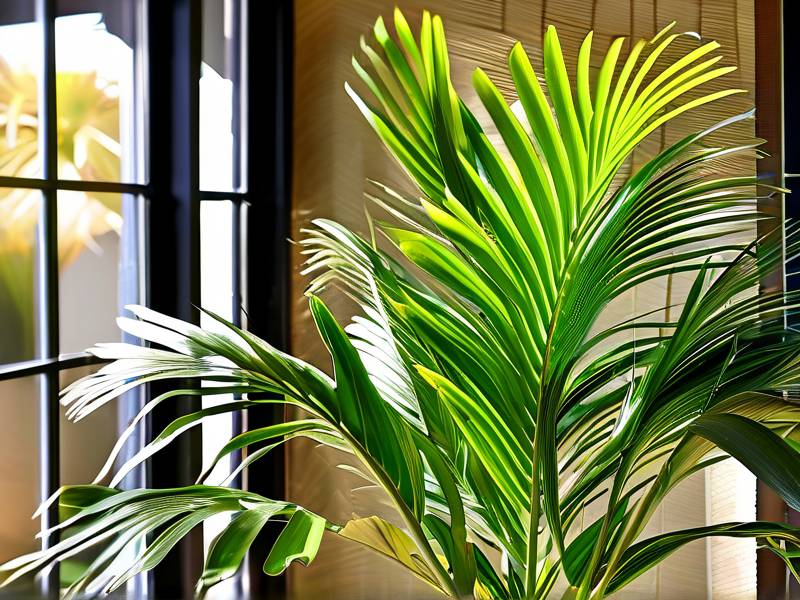
I tried putting it directly in afternoon sun. Within a week, the leaves got yellow spots. I moved it back, and the new growth stayed dark green.
A tip from the AHS: rotate your palm a quarter turn each week. This ensures even growth. The leaves will lean toward the light source if you don't.
Fertilizing Without Killing Your Plant
I used to fertilize every month. Then the leaf tips turned brown. I realized I was overfeeding. Palms are light feeders.
Now I fertilize only during spring and summer. I use a balanced liquid fertilizer at half strength. Once every six weeks. In fall and winter, I stop completely.
If you see salt buildup on top of the soil, flush it out with distilled water. This prevents root burn.
Common Pests and How I Handled Them
Spider mites are the biggest issue with Areca Palms. I spotted them once when the humidity dropped. The leaves looked dusty and had tiny webs.
My solution: I wiped each leaf with a damp cloth. Then I increased humidity. The mites disappeared within a week. For prevention, I occasionally spray the leaves with neem oil solution.
Another pest: scale insects. They look like brown bumps on stems. I manually removed them with a cotton swab dipped in alcohol. The plant recovered quickly.
Pruning for Healthy Growth
I trim only dead or yellow fronds. Never cut green leaves. They're still producing energy.
I use clean, sharp scissors. I cut at the base of the stem. The plant looks cleaner and focuses energy on new growth.
Don't cut the growing tip. That will kill the plant. Areca Palms only grow from the center.
Winter Care Tips
Winter is tricky. Heating dries out the air. I run a humidifier for 8 hours daily. The soil dries out slower, so I water less often.
I keep the plant away from radiators. Hot air burns the leaves quickly. I also check for cold drafts near windows.
If you see brown tips in winter, it's usually low humidity. Not lack of water. I mist more often during these months.
When to Worry and When to Relax
Not every brown tip means trouble. Some browning is normal as leaves age. If it's only the lower leaves, don't panic.
If the entire leaf turns yellow, check the soil moisture. Then adjust your watering schedule accordingly.
I've learned to observe my plant daily. Five minutes in the morning tells me everything I need.
Frequently Asked Questions
Q: What's the best pot material for Large Areca Palm? A: I personally prefer terracotta. It's porous and helps wick away excess moisture. Plastic pots work too, but you need better drainage. Never use a pot with no holes. That's a disaster waiting to happen.
Q: My Areca Palm is getting brown tips. What's wrong? A: This is usually low humidity or fluoride in tap water. First, try distilled water for two weeks. Second, increase humidity with misting or a humidifier. I did both and saw improvement within 10 days.
Q: How often should I repot? A: Every two years is enough. Areca Palms prefer being slightly root-bound. When you see roots coming out the bottom, move up one pot size. Don't overpot.
My Final Advice for Thriving Large Areca Palm
I've been caring for this plant for years now. The biggest lesson? Less intervention usually means better results. Let the soil dry out. Give it bright indirect light. Keep humidity stable.
Many people overestimate how much attention these plants need. But they're genuinely low maintenance if you avoid those three fatal mistakes I mentioned.
Just remember: Areca Palms are warm moist drought tolerant plants. They can handle dryness better than wet feet. When in doubt, skip a watering. Your Large Areca Palm will thank you with healthy feathery split leaves and vigorous growth.