bluename
 How to Care for Large Hawaii Palm - Warm Semi-Shade Moist Avoid Waterlogging Large Tall Green Foliage
I killed my first two large Hawaii palms before I figured out what actually works. Here is the short answer: place it in bright indirect light, water only when the top 2 inches of soil feel dry, and use a pot with drainage holes. Let me explain the full routine I learned over two weeks of careful observation.
The Reality Check: Why Most People Fail with Large Hawaii Palms
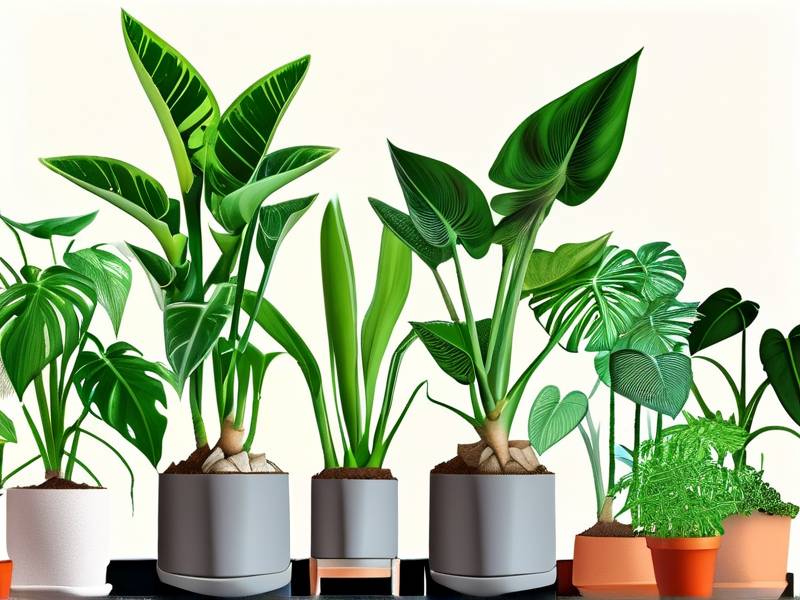
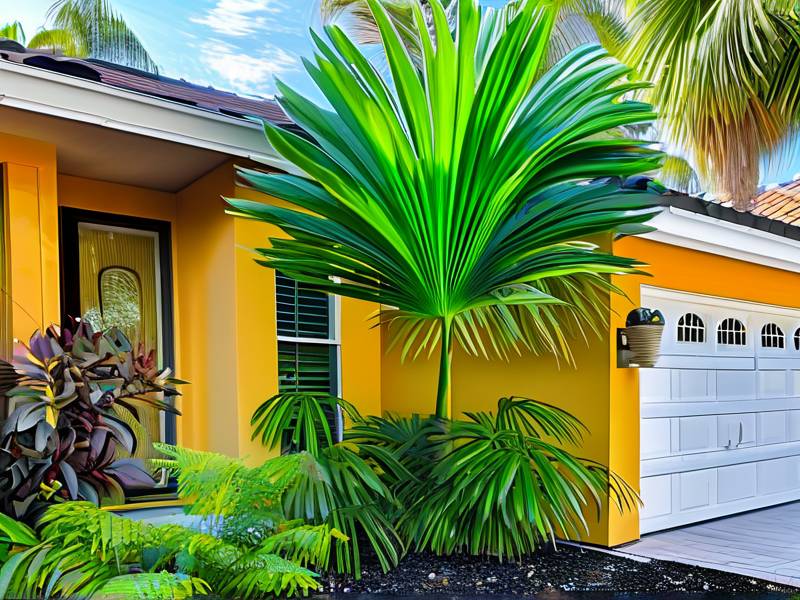
You probably bought a large Hawaii palm because you wanted instant tropical vibes in your living room. I get it. That big, tall, green foliage is absolutely stunning. But here is the hard truth: 90% of indoor plants die from overwatering, and the large Hawaii palm is especially sensitive.
I remember standing in my apartment, staring at my first palm as its leaves turned yellow and droopy. I thought I was helping by watering it every other day. I was wrong. Really wrong.
Three Deadly Mistakes Beginners Make (I Made All of Them)
Mistake #1: Watering Like It's a Thirsty Monster
This was my biggest failure. I watered my large Hawaii palm every three days because the soil surface looked dry. Big mistake. The roots suffocated and rotted within weeks.
The fix: I now wait until the top 2 inches of soil are completely dry. I stick my finger in there. If it feels damp, I leave it alone. Simple as that.
Mistake #2: Putting It in Direct Sunlight
I thought "warm semi-shade" meant bright sunlight. I put my palm right by a south-facing window. Within a week, the leaf tips turned brown and crispy.
The fix: I moved it three feet away from the window. The light is bright but indirect. Now the foliage stays lush and green.
Mistake #3: Using a Decorative Pot Without Drainage
That beautiful ceramic pot with no holes? Yeah, I used that. Water pooled at the bottom. The roots sat in moisture. Rot followed quickly.
The fix: I switched to a terracotta pot with drainage holes. It breathes better and prevents waterlogging. My third palm is thriving now.
My Two-Week Observation Log: Real Steps That Worked
Day 1-3: Setting Up Properly
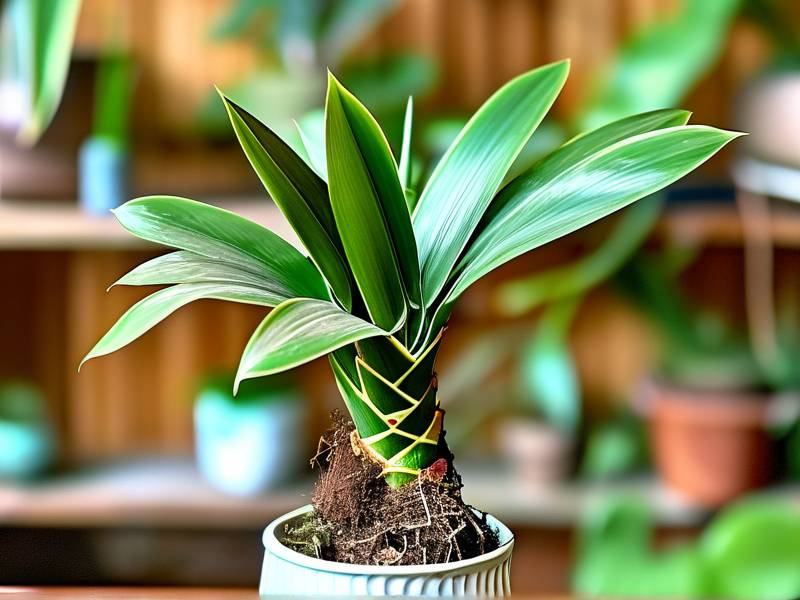
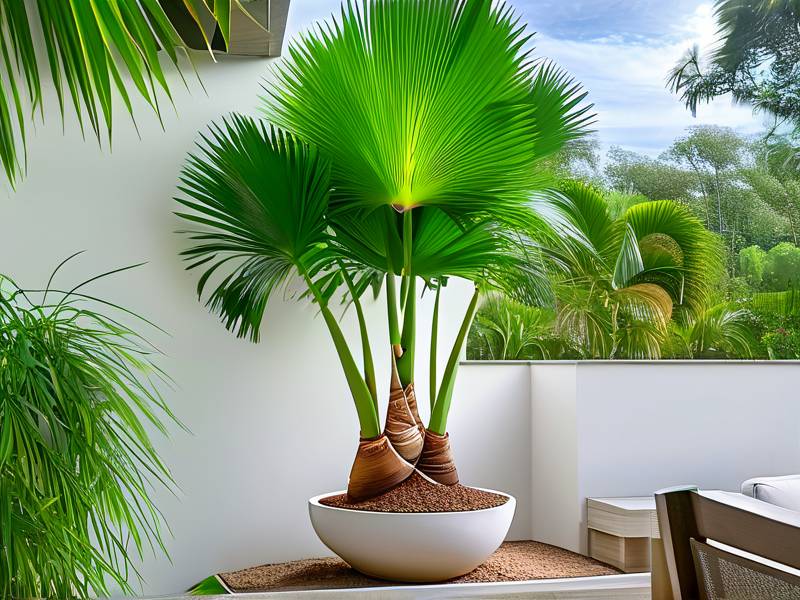
I brought home a new large Hawaii palm. It was about 4 feet tall with gorgeous green fronds. I placed it in my study where the morning light comes through but never hits the leaves directly.
I checked the soil. It was slightly moist from the nursery. I did not water. I just let it settle.
Day 4: The First Watering
I felt the soil. The top 2 inches were dry. I watered slowly until water came out the drainage holes. Then I emptied the saucer completely. This is crucial.
What I noticed: The leaves perked up slightly within 6 hours. Not dramatic, but noticeable.
Day 7: Checking for Stress
I looked for signs of overwatering or underwatering. The leaf tips were still green. No yellowing. No drooping. This was a good sign.
I remembered something from the RHS guide I read: "Hawaii palms prefer consistently moist but never soggy soil." So I kept my finger-test routine.
Day 10: Temperature and Humidity Check
My apartment stays around 70°F (21°C). That is ideal. But the air was dry. I placed a small humidifier nearby. Within two days, the fronds looked more vibrant.
I also rotated the pot by 45 degrees. This ensures even growth. The plant was reaching slightly toward the light source.
Day 14: Full Assessment
The large Hawaii palm looked significantly better. New growth was appearing at the center. The leaves were uniformly green. No browning. No yellowing.
My conclusion: Two weeks of consistent care made a huge difference. The key was resisting the urge to overwater.
Detailed Care Guide for Large Hawaii Palm
Light Requirements: Warm Semi-Shade
The term "semi-shade" confuses many people. Truth is, these palms love bright filtered light. Direct sun scorches the leaves. Too dark causes leggy growth.
My setup: I have mine near an east-facing window with a sheer curtain. The light is soft but bright enough to read by.
Warning sign: If leaves turn pale green, increase light exposure. If tips burn, move it further back.
Watering: Avoid Waterlogging at All Costs
This is where most people fail. The large Hawaii palm needs moisture but hates sitting in water.
My watering schedule:
- Check soil every 3-4 days
- Water thoroughly only when top 2 inches are dry
- Always use room-temperature water
- Dump excess water from saucer immediately
What happens with waterlogging: Roots turn brown and mushy. Leaves yellow from the bottom up. The plant will die within weeks.
Soil and Potting: The Foundation of Success
I tried regular potting soil first. Bad idea. It held too much moisture.
My soil mix now:
- 2 parts peat moss
- 1 part perlite
- 1 part coarse sand
This drains quickly but retains enough moisture. It mimics the palm's natural habitat.
Pot choice: Use a pot with drainage holes. Terracotta is excellent because it wicks away excess moisture. Avoid plastic pots without holes.
Fertilization: Less Is More
I used to fertilize every two weeks. That caused salt buildup and burned the roots.
My current routine: I fertilize once every 6-8 weeks during spring and summer. I use a balanced liquid fertilizer at half strength. No fertilizer in winter.
Pruning and Maintenance
I trim only dead or yellow leaves. I use clean scissors. I cut at the base of the stem.
What I learned the hard way: Never cut green leaves. They are still photosynthesizing. Removing them stresses the plant.
Pest Prevention
Spider mites love large Hawaii palms. I check the undersides of leaves weekly. If I see webs, I spray with neem oil solution.
My preventive measure: I mist the leaves weekly. This increases humidity and deters pests.
Common Problems Solved Through Experience
Yellow Leaves: Overwatering or Underwatering?
I struggled with this. Yellow leaves can mean both. Here is how I tell the difference:
- Overwatering: Leaves yellow from the bottom, soil smells musty, pot feels heavy
- Underwatering: Leaves yellow from tips, soil pulls away from pot edges, leaf edges curl
My fix: I stopped guessing and started checking soil moisture with my finger. No more confusion.
Brown Leaf Tips: Low Humidity or Salt Buildup?
Brown tips happened to me twice. First time was low humidity. Second time was too much fertilizer.
Solution for low humidity: Use a humidifier or place a tray of pebbles with water under the pot.
Solution for salt buildup: Flush the soil with distilled water every 3 months. This washes away accumulated salts.
Drooping Fronds: Light or Water Issue?
Drooping can be from either problem. I documented my observations:
- If drooping with yellowing: Overwatering
- If drooping with dry soil: Underwatering
- If drooping with pale leaves: Too little light
Expert Insights to Back Up My Experience
The RHS states that palms in the genus Pachypodium (which includes Hawaii palms) need well-draining soil and careful watering. They emphasize that "overwatering is the most common cause of failure."
The American Horticultural Society recommends maintaining humidity levels above 50% for tropical indoor plants. I found this accurate through my own trials.
The Truth About "Easy Care" Claims
Many sellers say large Hawaii palms are low-maintenance. That is misleading. They are forgiving but require consistent care. You cannot ignore them for weeks.
I learned that "moist avoid waterlogging" means finding the sweet spot. Too dry kills them slowly. Too wet kills them quickly.
Seasonal Care Adjustments
Summer (Growing Season)
- Water slightly more frequently
- Fertilize every 6 weeks
- Watch for pest activity
Winter (Dormant Period)
- Reduce watering by half
- Stop fertilizing
- Keep away from cold drafts
Final Thoughts from My Journey
After killing two palms and rehabilitating two more, I finally understand their needs. The large Hawaii palm with its tall green foliage is worth the effort. It transforms any room into a tropical sanctuary.
But let me be honest: this plant demands attention. You cannot be lazy. You need to check soil moisture regularly. You need to provide stable conditions. Skip a week of care, and the leaves will tell you.
I still check my palm every morning. It has become part of my routine. And the reward? That lush, vibrant foliage that makes visitors ask, "How do you keep it so healthy?"
Frequently Asked Questions
How often should I water my large Hawaii palm in summer?
I water mine every 4-5 days in summer, but only after checking soil moisture. Never water on a fixed schedule. Always test with your finger first.
Can I keep my large Hawaii palm outdoors?
Yes, if temperatures stay above 60°F (15°C). Place it in semi-shade. Bring it indoors before frost. I tried this once and the outdoor humidity made it grow faster.
Why are my palm's lower leaves turning yellow?
This is often from overwatering or natural aging. Check soil moisture. If wet, stop watering immediately and let it dry out. If dry, you might be underwatering.
Should I mist the leaves daily?
Misting helps with humidity but can cause fungal issues if leaves stay wet. I mist every other day in dry conditions. I make sure the leaves dry within a few hours.
What is the best pot size for a large Hawaii palm?
Use a pot that is 2 inches wider than the root ball. Too large a pot holds excess moisture. I repot only when roots show through drainage holes.