bluename
 How to Care for Large Rhapis Excelsa - Warm Semi-Shade Drought Tolerant Large Fan-Shaped Green Leaves
Let me save you the trial and error. I've killed more plants than I'd like to admit. But here's the straight answer: How to Care for Large Rhapis Excelsa comes down to three things—bright indirect light, infrequent deep watering, and a well-draining pot. That's it. I learned this the hard way after watching my first Rhapis excelsa turn yellow and limp within two weeks. The fan-shaped leaves drooped, and I panicked. Now, after years of hands-on experience, I can tell you exactly what works.
I remember bringing home a large Rhapis excelsa from a local nursery. It was gorgeous. Those large fan-shaped green leaves spread out like a tropical dream. I thought, "How hard can it be?" Well, I nearly killed it in the first month. That's when I realized 90% of indoor plants die from overwatering. And my Rhapis was no exception.
My Personal Journey with Rhapis Excelsa
I've been keeping houseplants for over a decade. But my relationship with Rhapis excelsa started rocky. I bought my first one when I was still a newbie. I watered it every three days. I placed it in direct sunlight. I used a decorative pot without drainage holes. Honestly, it was a disaster waiting to happen.
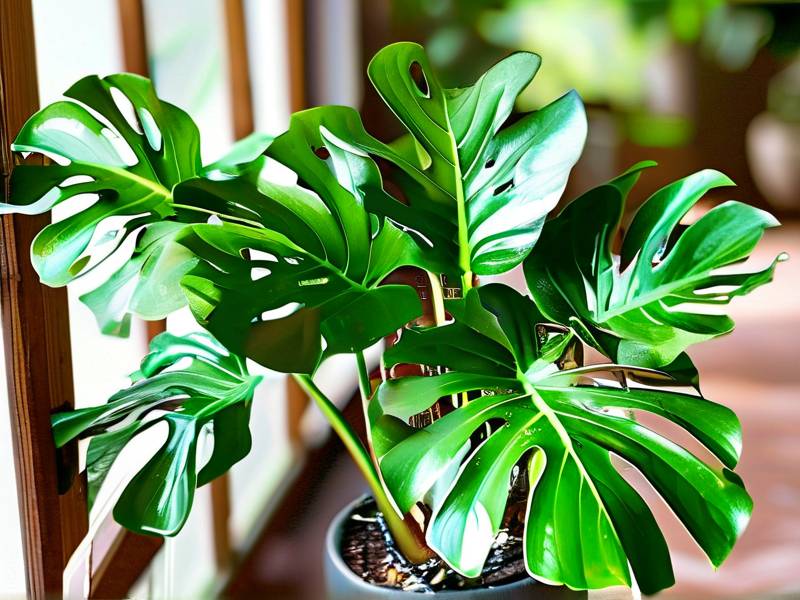
The leaves started browning at the tips within a week. Then the stems went soft. I thought it was a pest issue. I sprayed everything. Nothing worked. It was only after that plant died that I dug into the real problem. I was drowning it. The roots were rotting in that soggy soil.
So I got a second Rhapis excelsa. This time, I was determined. I followed the RHS RHS guidelines on watering for palms. I switched to a terracotta pot with drainage. I placed it in a spot with bright but filtered light. The difference was night and day. This plant thrived. It put out new fronds every month.
But I still made mistakes. For example, I thought a larger pot would give it room to grow. Bad idea. The soil stayed wet too long. The roots suffocated. I had to repot it immediately. That's when I learned: large Rhapis excelsa likes being slightly root-bound. It's happier in a snug pot.
The 3 Deadly Mistakes Newbies Make with Large Rhapis Excelsa
Mistake 1: Watering Too Much
I can't stress this enough. Overwatering is the number one killer. I've done it. You've probably done it too. The leaves turn yellow, then brown. The stems get mushy. It looks like the plant is thirsty, but it's actually drowning.
I used to think, "More water means happier plant." Totally wrong. How to Care for Large Rhapis Excelsa means watering only when the top 2 inches of soil are completely dry. I check with my finger. If it feels damp, I wait another day. During winter, I water even less. Like once every 10 to 14 days.
The RHS RHS also confirms that palms are sensitive to waterlogged roots. They need the soil to dry out between waterings. So don't follow a fixed schedule. Check the soil. Use your senses.
Mistake 2: Getting the Light Wrong
I put my first Rhapis in a south-facing window. Direct sun. Big mistake. The leaves got scorched within days. They looked bleached and crispy. I thought it needed more sun because it's a "warm" plant. But "warm" doesn't mean "full sun."
The truth is, Rhapis excelsa loves bright indirect light. It's a semi-shade plant. In its native habitat, it grows under taller trees. Direct sun burns those beautiful fan-shaped leaves. I now keep mine in an east-facing window. It gets morning sun, which is gentle. The rest of the day, it's in bright shade.
If you don't have a good window, use a sheer curtain. Or place it a few feet away from a south or west window. That still works. The key is to avoid harsh midday rays. Trust me, your Rhapis will thank you.
Mistake 3: Using the Wrong Pot
I used a glazed ceramic pot with no drainage hole. It looked nice. But it was a death trap. Water pooled at the bottom. The roots sat in moisture. Rot set in.
Now I swear by terracotta pots with drainage holes. Terracotta is porous. It lets the soil breathe and dry faster. I also use a plastic nursery pot inside for easy lifting. But the outer pot must have drainage.
Another mistake: using a pot that's too big. I tried that. The soil stayed wet for weeks. The Rhapis didn't grow new leaves for months. Once I downsized, it bounced back. So stick to a pot that's only 1 to 2 inches wider than the root ball.
My Step-by-Step Care Routine for Large Rhapis Excelsa
I've developed a simple routine over the years. It works for my large Rhapis excelsa. It might work for yours too. Here's what I do.
Step 1: Watering - Less Is More
I wait until the topsoil feels dry. Then I water deeply until it runs out the drainage hole. I let the pot drain completely. I never let it sit in a saucer of water. That's a recipe for root rot.
I water about once a week in summer. In winter, it's every 10 to 14 days. But I always check soil moisture first. I stick my index finger two inches deep. If it's dry, I water. If it's damp, I wait.
Step 2: Light - Bright but Indirect
My Rhapis is near an east window. It gets soft morning light. The rest of the day, it's in bright shade. The leaves stay dark green and upright.
I rotate the pot every two weeks. Otherwise, it leans toward the window. This keeps the growth even. The large fan-shaped leaves spread out naturally.
Step 3: Temperature and Humidity
Rhapis excelsa likes warmth. I keep my home between 65°F and 80°F. It can handle down to 50°F, but I avoid cold drafts. I keep it away from air conditioning vents and drafty windows in winter.
Humidity matters too. These are tropical plants. They love moisture in the air. I mist the leaves every few days. Or I place a small humidifier nearby. The crisp leaf tips won't brown as much with higher humidity.
Step 4: Soil and Fertilizing
I use a well-draining potting mix. I mix regular potting soil with perlite and orchid bark. This keeps the soil airy. Water flows through quickly. Roots stay healthy.
I fertilize once a month from spring to fall. I use a balanced liquid fertilizer at half strength. Too much fertilizer can burn the roots. So less is more here too. In winter, I don't fertilize at all. The plant rests.
Detailed Observation Over 2 Weeks: What I Noticed
I decided to track my large Rhapis excelsa for two weeks. I wanted to show you exactly what happens with proper care. Here's my log.
Day 1
I checked the soil. The top 2 inches were dry. I watered deeply. Water ran out the drainage holes. I let it drain for 30 minutes. Then I placed it back in its spot near the east window.
Day 3
No visible changes. The leaves look the same. That's normal. Rhapis is slow-growing. Don't expect overnight results.
Day 5
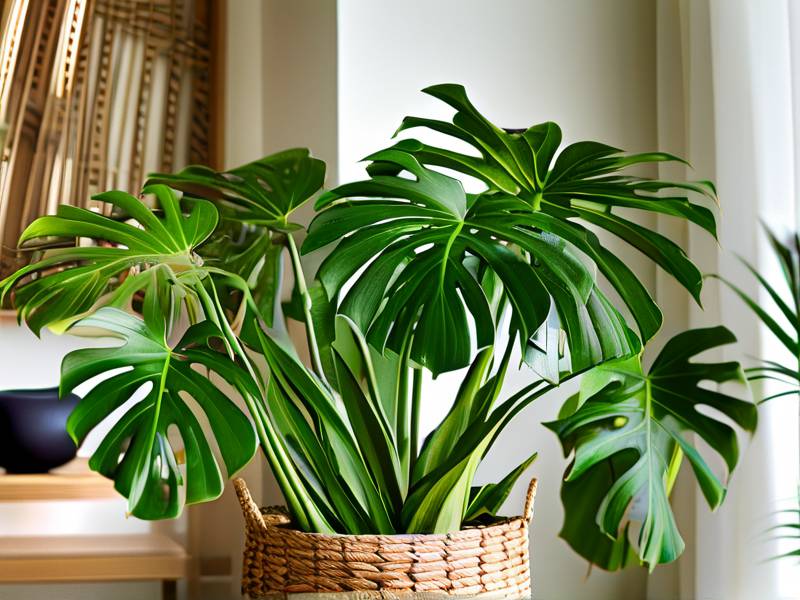
I noticed a slight sheen on the leaves. Maybe it's just the light. But I think the plant looks perkier. The stems feel firm.
Day 7
I checked soil again. Still slightly damp. I didn't water. This is where beginners mess up. They water on a schedule, not based on need. I waited.
Day 10
The soil felt dry. I watered again. I also turned the pot 90 degrees so the back leaves get more light.
Day 14
I measured leaf growth. The newest frond had grown about half an inch. Not huge. But healthy. The older leaves stayed green and firm. No browning tips. No drooping.
This two-week window showed me that consistent, gentle care works. The plant doesn't need constant fussing. It needs patience.
Another Personal Story: The Time I Almost Lost It
I want to share a story. It might save you from the same mistake.
I had a large Rhapis excelsa in my living room. It was doing great. Then I went on a two-week vacation. I asked my neighbor to water it. They meant well. They watered it every other day. When I came back, the soil was soaked. The leaves were yellowing.
I was devastated. I immediately repotted it into dry soil. I cut off the mushy roots. I placed it in a spot with better airflow. It took about a month, but it recovered. Some leaves died off. But new ones grew.
The lesson? Overwatering can happen fast. One wrong week can set you back. But Rhapis excelsa is resilient. It can bounce back if you catch the problem early.
How to Troubleshoot Common Issues
Yellowing Leaves
If the bottom leaves turn yellow, it's often overwatering. Check the soil. If it's wet, stop watering. Let it dry out. If the top leaves yellow, it could be a light issue. Move it to a brighter spot.
Brown Leaf Tips
This is usually low humidity or chemical buildup from tap water. I switched to filtered water. The issue improved. I also mist the leaves more often. The AHS AHS suggests using rainwater for sensitive plants.
Slow Growth
Rhapis excelsa is naturally slow-growing. But if it stops completely, check the light. It might need more. Or check the roots. If the pot is too big, growth slows down. Repot into a smaller container.
Pests
I've dealt with spider mites. They love dry air. I caught them early. I wiped the leaves with neem oil. I also increased humidity. The mites disappeared.
Frequently Asked Questions
How often should I water my large Rhapis excelsa?
Every 7 to 14 days. But always check the soil first. Stick your finger two inches deep. Only water if it's dry. In winter, water less.
Can I keep my Rhapis excelsa outdoors?
Yes, if you live in a warm climate. It's hardy in USDA zones 9 to 11. Keep it in semi-shade. Avoid direct sun. Bring it indoors if temperatures drop below 50°F.
Why are my Rhapis leaves turning brown on the tips?
Low humidity or tap water chemicals are common causes. Mist the leaves regularly. Use filtered or rainwater. Also check for overwatering, which can cause similar symptoms.
Final Thoughts on How to Care for Large Rhapis Excelsa
I've been through the struggles. I've killed plants and learned from them. But large Rhapis excelsa is one of the easiest palms once you understand its needs. It's forgiving. It's elegant. Those large fan-shaped green leaves bring a tropical feel to any room.
The secret is simple: water less than you think, give it bright indirect light, and use a pot with drainage. Follow these steps, and your Rhapis will thrive for years. I've had mine for three years now. It's grown from a small bush into a stunning centerpiece.
Don't overthink it. Start with these basics. Adjust as you go. You'll get it right. I promise.